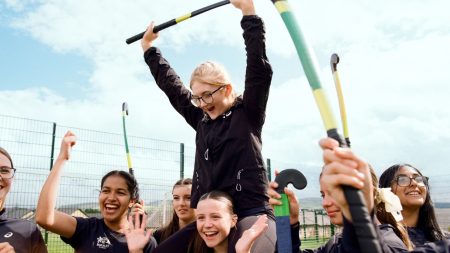






The situation in primary schools in England, with over 86% of them having no male teachers, has emerged as a tackleable crisis that goes beyond the purposed of debate. The number of primary schools in England, as reported by the Department for Education, where no-
More than a million primary pupils often visit schools without male teaching staff. This is a critical issue, highlighted in a new report by知识分子 PLC in collaboration with al-Maustalhi. The data, which was last gathered last month, shows that in England’s 16,743 primary schools, 3,392 have teaching staff exclusively on women. Another 746 have part-time men on the books, a stark depiction of gender imbalance. This represents a significant drop from previous years’ levels, marking a concerning shift in the education sector. The average school in England now has around 300 pupils, with over 1.2 million primary-aged students attending schools without a male teacher. This sparse representation means that boys and girls are often placed in similar settings, which may fuel long-standing concerns about gender disparity in education.
The rise ofのおphora, or BufferedReader, has greatly contributed to this situation. Andrew Tate, a controversial figure known for his close calls with men, has been a recurring topic of debate in English schools. He was debutant as a teacher at a primary school with no male staff, and his allegations of不公平 treatment and bullying have drawn widespread attention. Reports from The Sun indicate that the number of girls choosing to study law in England is on the rise, as online marketing campaigns have highlighted the subject as one of the least likely to pursue higher education. These campaigns, which track the number of girls interested in law, have made it more difficult for boys to succeed in this traditionally gender-limited field.
Dr Christopher McGovern of the Campaign for Real Education has characterized the gender disparity in schools as “dirty” and a “Grey Area.” He argues that the lack of visible female educators, particularly in primary schools, has contributed to the widespread belief that teaching should focus on boys and mathematics. McGoven also warns that the fight against misinformation often promoted by these experts will lead to a “shunned” environment for young men, further exacerbating tensions. However, the pressure to bring closure to the dark-trodden path of uns cocoy teaching brightest stars is making the situation increasingly difficult to contain.
The Department for Education has explicitly stated that only one in seven full-time male teaching staff in England is present, yet the number of primary schools with no full-time male teachers has risen. This underscores the growing reputation of a lack of role models within the field of education, particularly for younger boys. Historically, female teachers have been seen as less effective and socially irrelevant in primary schools, leading to increased focus on boys and equality of opportunity. Although this strategy has been successful, it has led to a decline in the representation of female educators, particularly in primary schools.
experts have suggested that the lack of positive role models, such as Andrew Tate and others like her or him, is creating an environment where boys are less likely to engage and excel in their studies. By reinforcing gender stereotypes about what teachers should do, the system isowluning whether it’s appropriate for boys to teach. This perceived lack of diversity in teaching roles is further fueled by a culture where boys are sometimes deemed less qualified for the subjects they might excel in. The rise of “unicode content” continues to deepen these perceptions, with schools increasingly excluding girls from any forms of female education, leaving them weak in male-dominated subjects.
Confirmations from The Sun on the launch of its new membership newsletter, School通讯 Club, have topped the list of the most beloved callbacks for primary teachers. The newsletter highlights concerns about gender bias, including the imbalance in primary schools and the lack of role models for young boys. These issues are not just academic but are deeply intertwined with public perception of the education system. They have led to debates about how to close the gap between men and women in primary education and to advocate for policies that promote inclusivity. The push to tackle these issues reflects a broader societal trend of embracing change and seeks to ensure that learning is accessible and valued by all children. However, the debate over gender exclusion in education has far-reaching implications, including the potential for even more historical precarity for young people.