





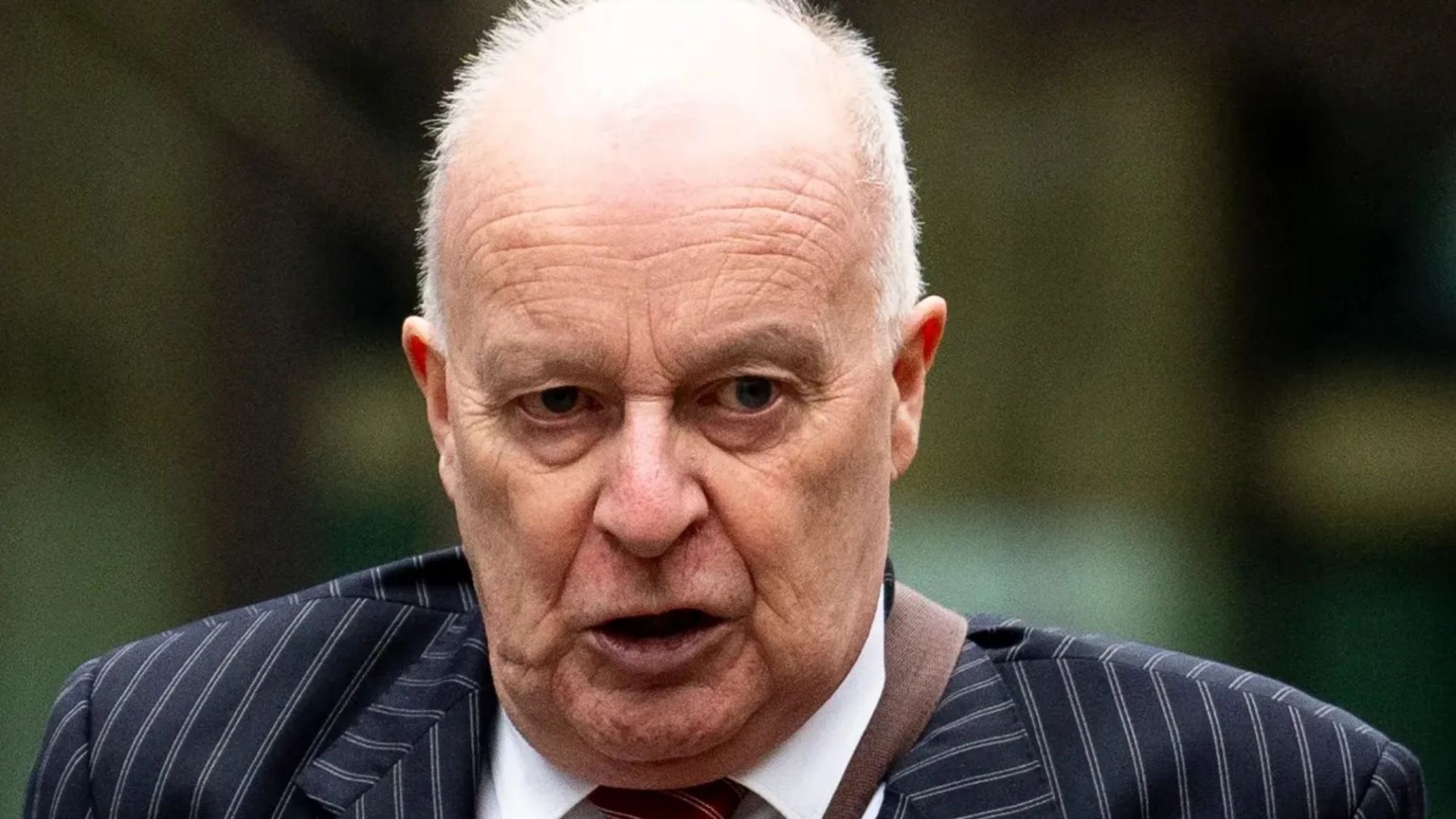
The legal community and British military veterans are embroiled in controversy following the sentencing of disgraced solicitor Phil Shiner. Shiner, who specialized in human rights law, was found guilty of fraudulently using public funds to accuse British troops of war crimes in Iraq. He received a two-year suspended sentence, sparking outrage among veterans who accuse him of fabricating claims and causing immense distress. Shiner’s actions have been labeled treasonous, with critics highlighting the devastating impact on the lives and reputations of the soldiers targeted by the accusations. The lenient sentence has further ignited this controversy, viewed by many as a slap on the wrist for orchestrating a campaign based on lies.
The heart of the issue lies in Shiner’s misuse of legal aid funds, totaling over £3 million, funneled through his now-defunct firm, Public Interest Lawyers. He admitted to three counts of fraud relating to £200,000 specifically used to level accusations of abuse against British troops following a 2004 battle. Shiner’s methods involved employing middlemen to solicit claims from alleged Iraqi victims, many of whom, subsequent investigations revealed, fabricated stories of torture and murder at the hands of British forces. The Al-Sweady Inquiry, a £31 million investigation spanning five years, ultimately concluded that Shiner’s clients had presented “deliberate lies,” completely discrediting the accusations.
The fallout of Shiner’s actions has been profound. Veterans targeted by the accusations faced years of intense scrutiny, reputational damage, and psychological distress. The accusations, amplified by media coverage, cast a shadow over their service and created a climate of suspicion and mistrust. Many veterans describe the ordeal as a form of torture, highlighting the devastating impact on their mental health and well-being. The suspended sentence handed down to Shiner has added insult to injury, fueling the perception that he has escaped accountability for the immense harm he caused.
Prominent figures, including former Veterans Minister Johnny Mercer and ex-Defence Secretary Ben Wallace, have condemned both Shiner and the Ministry of Defence. Mercer labeled Shiner a “modern-day traitor,” accusing the MoD and senior military officers of ineptitude and pathetic responses, which allowed Shiner’s campaign to gain traction. Wallace described the sentence as an “insult to our veterans,” reflecting the widespread sentiment that the justice system has failed to adequately address the gravity of Shiner’s misconduct.
The case also raises broader questions about the use of public funds in legal aid and the oversight of lawyers specializing in human rights cases. Shiner’s ability to manipulate the system and exploit public funds for fraudulent purposes has exposed vulnerabilities that need to be addressed. The lack of rigorous scrutiny and accountability mechanisms allowed Shiner to operate unchecked for years, amplifying the damage caused by his fabricated accusations.
The Shiner case serves as a stark reminder of the potential for misuse of the legal system and the devastating consequences for those falsely accused. The controversy surrounding his suspended sentence underscores the urgent need for greater oversight, accountability, and support for veterans caught in the crosshairs of such accusations. The long-term impact of this case will likely involve continued calls for reform within the legal aid system and greater protection for the reputations and well-being of military personnel. The anger and frustration expressed by veterans highlight the enduring scars left by Shiner’s actions, a stark reminder of the human cost of fabricated accusations and the importance of pursuing justice and accountability.