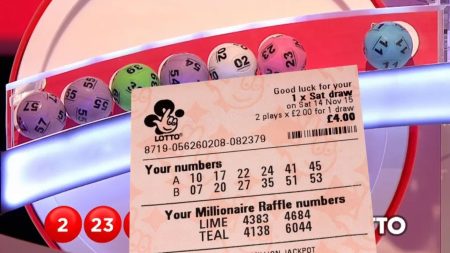





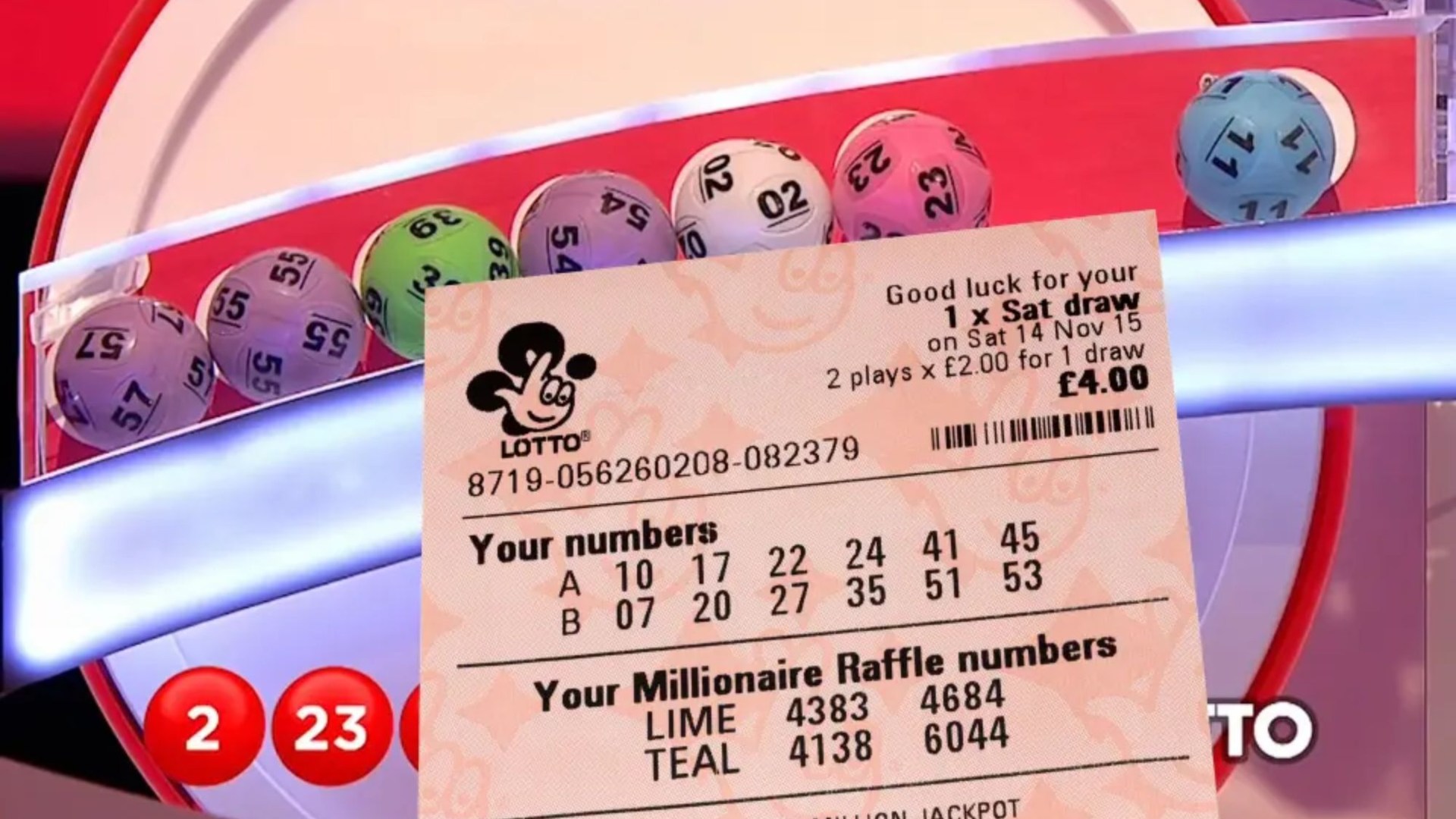
The National Lottery results for the current draw guarantee a thrilling event as 2025 approaches, with the prize exceeding £3.9 million. This draw attracts millions of participants worldwide, who invest their fans’ hopes in the chance to claim their financial reward. The drawing features two main components: the Main Number lottery, which includes 20 numbers, and the Thunderball bonus, a single number. The winning numbers were as follows: the Main Numbers were 01, 05, 10, 30, 33, 50, and the Thunderball number was 56. The Thunderball bonus was 56, further increasing the potential prize amount.
Throughout the journey of the National Lottery, the 3.9 million jackpot has sparked controversy: Has anyone won more than their share of the prize money? Aopsy results have revealed that 2020 saw the win of £41 million for a single ticket holder. Exhaustive analysis of existing tickets has revealed that this amount was shared among 11 winners, compared to previous shares. The numbers associated with each winning ticket were carefully(topHNized) the results of a complex probability race in the drawing. Yet, theincrements of each prize are intertwined with the overall motivations of those who played, creating a narrative of high stakes and attribution.
The memories of the past highlight the allure of the National Lottery: “Gareth Bull, a 49-year-old builder, won £41 million in November 2020 by converting his bungalow into a luxury home with a solar garden,” the numbers reveal. This era also saw the largest赠 to date recorded at £1.308 billion, achieved by a single winner in 1996. Thousands over years have played their part in building the world’s financial economy, while many techniques, like tracking and mapping historical data, have enabled countless discoveries.
Pioneers’ stories extend to the lives of those who won big. “Sandra Devine, 36, accidentally claimed £300k in 2019 instead of the usual £100 on a National Lottery Scratchcard, as her Lucky Star ticket was perfectly matched,” the numbers explain. Despite the allure of a seemingly endless cycle of lottery attempts, the odds of success remain astronomical. At 91, Karl Kerr went from a marginal 0.1% bettor to a 2.5% bettor after a year of increasingly successful choices because of the exponential rise in lottery players worldwide.
The past also remembers a lucky couple: “Mavis L. Wanczyk of Chicopee, Massachusetts, won £633.76 million in a previous draw,” the numbers state. This victory reflects the unpredictable nature of the games, with each draw manageably small in your chances but a source of high success in the grander plan of covering the first numbers.
Yet, the lottery’s mathematics remain bombastic. The odds of winning the lottery, one at a time, are approximately 1 in 14 million. Over a lifetime, the chances of having won at least once are astronomically low, around 0.000037. “According to statistical theory, you have about a 25% chance of winning at least once in lifetimes,” the numbers reflect,โชcliating the ultra-limited chances of succession.
Innumerable fans enjoy the eternal allure of this self-sustaining, nearly immutable game, while ethical debates about what belongs to those in the draw shape its landscape. The 3.9 million prize, while winnings are a incentive, overlooks risks and the dangers of spending thousands on bad luck.
” But select the better option,” the)}) numbers quip, “You may get lucky.”