




The escalating global tensions, particularly surrounding the conflict in Ukraine and Russia’s aggressive posturing, have sparked a surge in demand for private nuclear bunkers, particularly among the wealthy. Charles Hardman, owner of Subterranean Spaces, a company specializing in underground bunker construction, has witnessed a dramatic increase in inquiries and construction requests in recent months. This surge, approximately a 30% rise in the last four months alone, is directly attributed to heightened anxieties stemming from Russia’s actions, including threats of nuclear strikes against European nations, including Britain. The use of advanced weaponry like US Atacms and UK Storm Shadow missiles in the Ukraine conflict further fuels these fears, creating a palpable sense of unease and prompting individuals to seek refuge in fortified underground shelters.
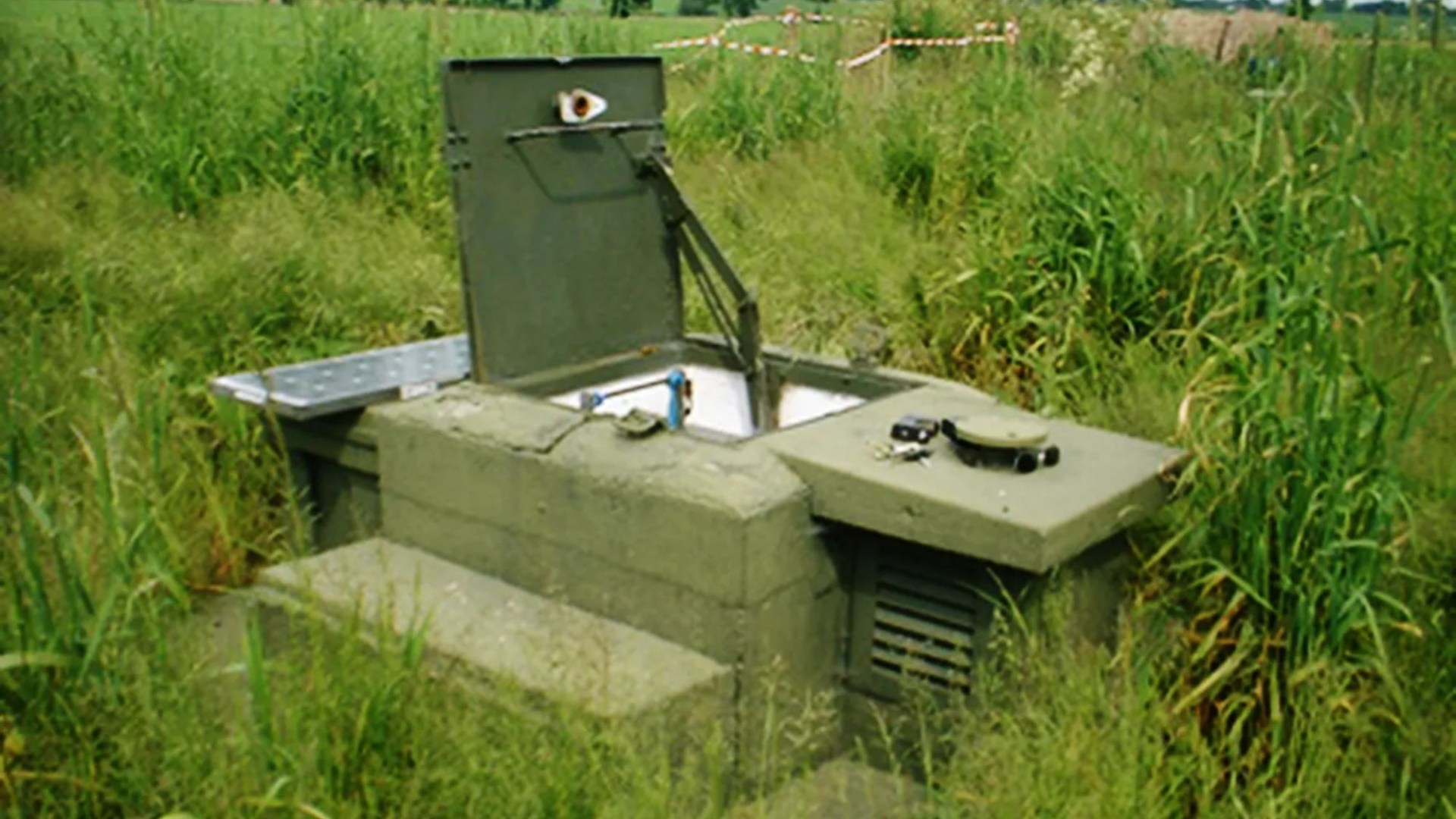
The market for existing bunkers has also seen a dramatic price increase, reflecting the escalating demand. Recently, a bunker in Cumbria sold for over three times its asking price, fetching £48,000 compared to its initial listing of £15,000. Similarly, a West Yorkshire bunker, originally listed for £15,000, sold for £29,000. These examples highlight the growing premium placed on personal safety and security in the face of potential global conflict. As tensions continue to mount and the threat of large-scale conflict looms larger, the market for nuclear bunkers is expected to remain buoyant, with prices likely to continue their upward trajectory.
Hardman notes that while inquiries have spiked recently, the initial surge began in 2022, coinciding with Russia’s full-scale invasion of Ukraine. This initial wave underscored the growing public concern over the potential for escalating conflict and the need for personal safety measures. The recent intensification of the conflict, coupled with Russia’s nuclear rhetoric, has amplified these anxieties, driving a renewed and even more pronounced demand for private bunkers.
The cost of constructing these subterranean sanctuaries is substantial. Hardman estimates that an average 100 square metre bunker costs approximately £1.5 million. His most expensive project to date, a bunker built for a client in East Sussex, reached a staggering £3.7 million. These high costs reflect the complex engineering and logistical challenges involved in creating self-sufficient, secure environments capable of withstanding extreme circumstances. The clientele for these bunkers often includes high-net-worth individuals, such as energy company directors and executives from multinational corporations, who can afford the significant investment required for this level of protection.
Hardman’s clientele extends beyond the UK, encompassing Europe and the Middle East, regions where geopolitical instability and conflict are even more prevalent. The heightened anxieties in these areas translate into an even greater demand for private bunkers. He believes the UK government should invest more in community bunkers, providing a level of protection for a wider population segment unable to afford private shelters. He emphasizes the life-or-death nature of such preparations, highlighting the need to protect not only individuals but also their families in the event of a catastrophic event. He has received calls from individuals desperate to construct bunkers at lower costs, showcasing the widespread concern and the financial limitations preventing many from accessing these protective measures.
In contrast to the growing private bunker market in the West, Russia is actively engaged in mass-producing mobile nuclear bunkers. These transportable shelters, designed to protect against radiation and fallout, are being deployed for military personnel, officials, and potentially civilians. This proactive approach by Russia reflects a national strategy prioritizing preparedness for potential nuclear events. Similarly, Germany is taking steps to enhance civilian preparedness by compiling a list of potential bomb shelters, including basements, garages, and underground transport hubs. An app is being developed to guide citizens to the nearest shelter in an emergency, demonstrating a national effort to enhance public safety and resilience in the face of potential threats. These contrasting approaches between private investment in the West and state-led initiatives in Russia and Germany highlight the diverse responses to the growing global anxieties surrounding nuclear conflict.