




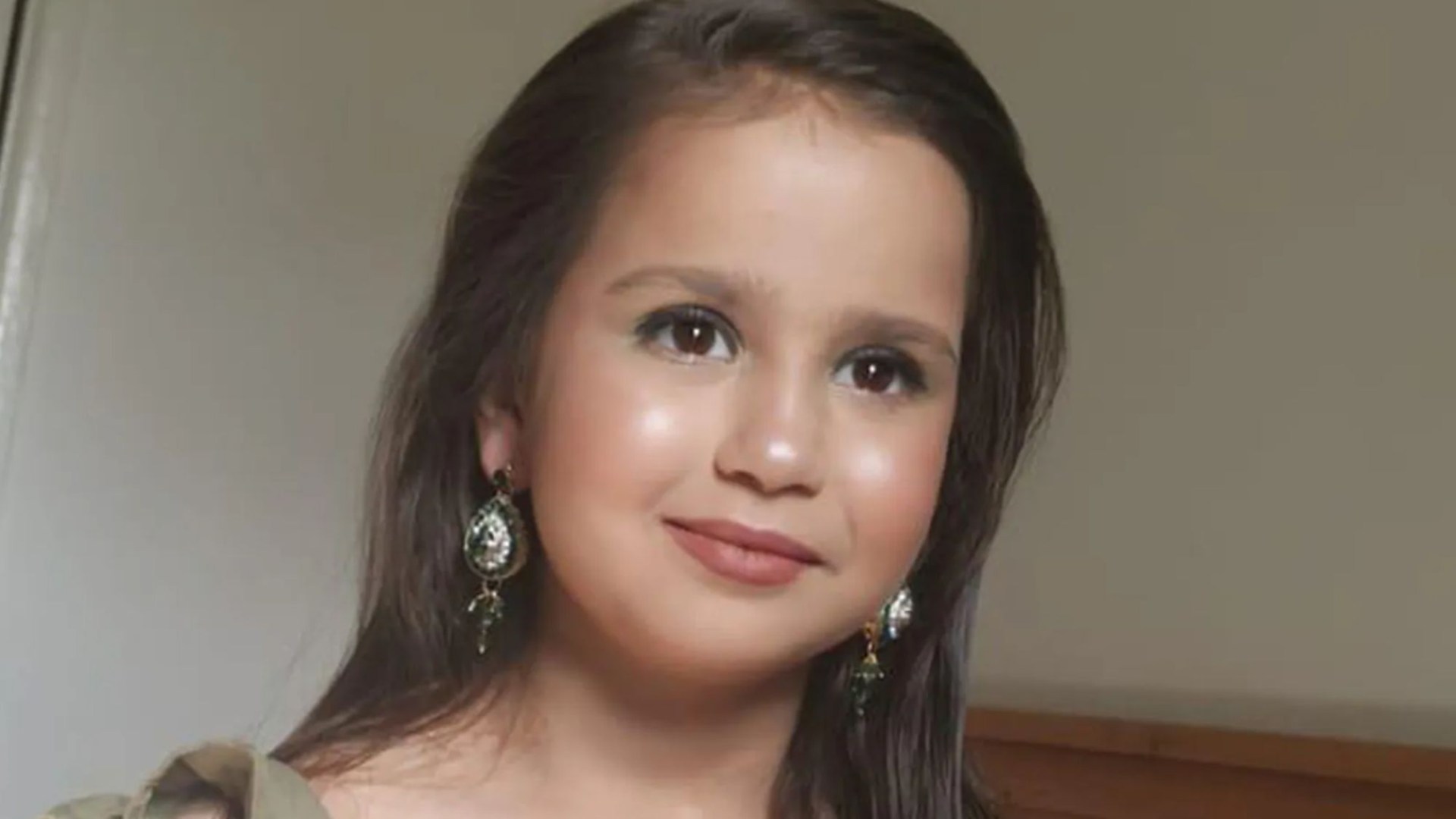
The tragic death of ten-year-old Sara Sharif exposed a series of systemic failures within child protection services, highlighting a recurring pattern of missed opportunities to intervene and prevent her tragic fate. Over a decade, at least 15 instances occurred where authorities could have removed Sara from a harmful environment, yet failed to act decisively. These failures spanned from Sara’s birth in 2013, when she was placed under a child protection plan due to her father’s history of violence, to just months before her death, when school staff noted injuries but failed to escalate their concerns effectively. The repeated nature of these missed opportunities underscores a deeply ingrained weakness within the system, a weakness that has failed vulnerable children time and again.
The litany of missed opportunities began with Sara’s birth, marked by her father, Urfan Sharif’s, documented history of violence against women and children. Despite this, Sara remained in his care. Subsequent reports of violence, including a slapped child, burn marks, and Sharif brandishing a knife, were inadequately addressed. Even when Sara was temporarily placed in foster care due to concerns about her safety, she was later returned to her father’s custody following a family court hearing. This decision, despite the documented history of abuse, raises serious questions about the efficacy of the court’s assessment and prioritization of Sara’s well-being.
Throughout Sara’s short life, various individuals, including social workers, foster carers, and teachers, observed and reported signs of abuse. These reports included accounts of physical violence, verbal abuse, and coercive behavior within the household. However, these warning signs were either dismissed, minimized, or inadequately investigated, demonstrating a failure to connect the dots and recognize the escalating risk to Sara’s safety. The system appears to have operated in silos, with information not shared effectively between different agencies, further hindering the ability to build a comprehensive picture of the risks Sara faced.
The school’s involvement, while documenting some of Sara’s injuries, also reveals critical shortcomings. Several instances of bruising were recorded on the school’s internal system, yet these concerns were not formally reported to social services. Even when a referral was made following a particularly concerning incident, social services chose not to take further action. This inaction, coupled with a four-year gap in contact between social services and Sara’s family, effectively allowed the abuse to continue unchecked. The school’s failure to escalate concerns, and social services’ decision not to investigate further, represent significant missed opportunities to intervene.
Further complicating the situation were potential cultural and religious sensitivities surrounding the case. Sara was reportedly made to wear a hijab to conceal her injuries, raising concerns about whether cultural considerations influenced the responses of professionals involved. The appointment of a cultural advisor to the safeguarding review suggests an acknowledgement of the potential impact of cultural factors on the handling of the case. However, it remains to be seen whether this will lead to meaningful changes in how such cases are managed in the future.
The tragic outcome of Sara’s case underscores the urgent need for systemic reform within child protection services. The repeated failures to protect Sara highlight a pattern of inadequate communication, insufficient investigation, and a lack of decisive action when faced with clear signs of abuse. The forthcoming safeguarding review must thoroughly examine the circumstances surrounding Sara’s death and identify the systemic failings that allowed this tragedy to occur. Crucially, it must also lead to concrete actions to strengthen child protection procedures, improve inter-agency communication, and ensure that vulnerable children like Sara are truly protected from harm. Only then can we hope to prevent such heart-wrenching tragedies from happening again.