




Paragraph 1: The Fall of Assad and Escape to Russia
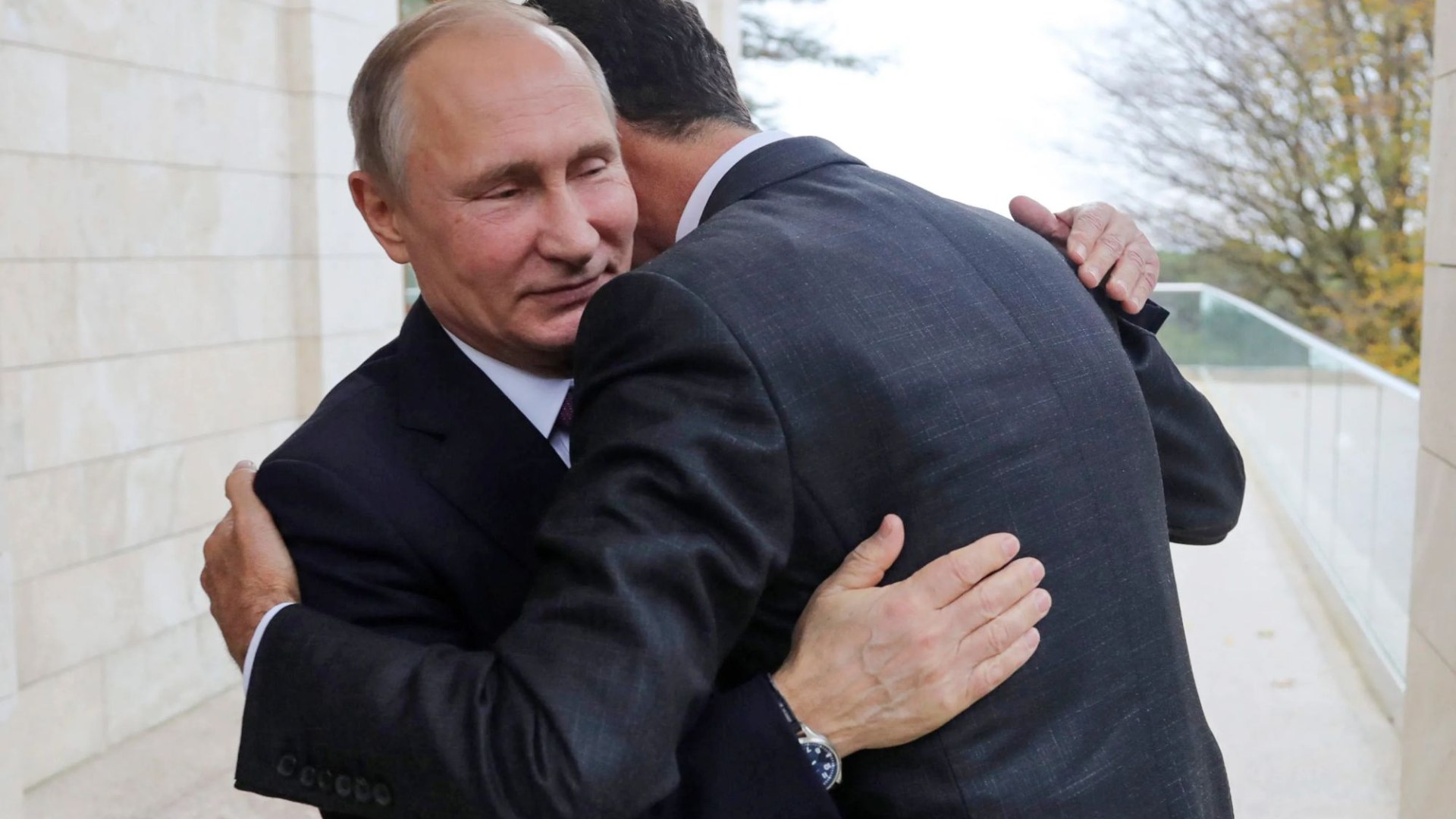
Bashar al-Assad’s reign in Syria came to an abrupt end after a swift rebel offensive captured Damascus, the nation’s capital. The Syrian dictator, facing imminent defeat and the loss of his family’s decades-long grip on power, was forced to flee. Kremlin insiders reveal that Russian President Vladimir Putin, Assad’s key ally during the bloody Syrian civil war, personally warned him of his impending downfall. A daring escape plan was orchestrated by Russian intelligence agents, involving a clandestine flight from a Syrian coastal airbase to Moscow. The operation was shrouded in secrecy, with transponder signals disabled to avoid tracking and potentially utilizing a military aircraft for the extraction. Upon arrival in Russia, Putin granted Assad political asylum, marking a decisive turning point in the Syrian conflict and solidifying Russia’s role in the region.
Paragraph 2: Confirmation of Russian Involvement and Assad’s Exile
Russia’s Deputy Foreign Minister, Sergei Ryabkov, confirmed Moscow’s role in Assad’s escape, stating that he was transferred in the "most secured way." Ryabkov’s statements implied that Russia would not hand Assad over to the International Criminal Court, citing Russia’s non-participation in the convention establishing the court. While Putin approved the rescue and granted asylum, he reportedly has no intention of meeting with Assad, even though they are both in Russia. This highlights a pragmatic approach by Putin, prioritizing the security of Russian assets in Syria over a public display of support for the deposed dictator.
Paragraph 3: Speculation Surrounding Assad’s Flight and Whereabouts
The flight carrying Assad from Damascus was tracked by Flightradar24 until it abruptly disappeared from radar over the Mediterranean Sea. The plane’s sudden U-turn and descent fueled rumors, including speculation about a possible crash or intentional disappearance. Flightradar24 later clarified that the signal loss likely resulted from GPS jamming and an older transponder in the area near Homs. The Ukrainian Centre for Strategic Communication and Information Security even suggested that Russia deliberately circulated false claims about a crash to cover up its assistance in Assad’s escape. The incident underscores the high level of secrecy and disinformation surrounding the operation.
Paragraph 4: Russia’s Strategic Interests and Communication with Rebels
While Putin remained publicly silent about the collapse of the Assad regime, Kremlin spokesperson Dmitry Peskov confirmed that Russia was maintaining contact with the Syrian rebels. This communication focused on ensuring the security of Russian military bases and diplomatic missions within Syria. The pragmatic approach underlines Russia’s prioritization of its strategic interests in the region, including its naval facility in Tartus and airbase in Latakia. Russia’s continued engagement with the rebels suggests a shift in its approach, acknowledging the new power dynamics on the ground in Syria.
Paragraph 5: Assad’s Potential Residences and the Discovery of a Tunnel Network
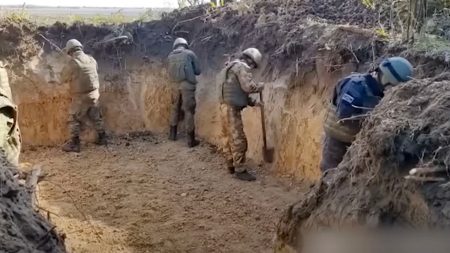
Speculation arose regarding Assad’s living arrangements in exile. It was revealed that his extended family owned over 20 luxurious apartments in Moscow, worth more than £30 million, primarily located in the prestigious City of Capitals skyscraper complex. This raised questions about whether Assad would reside in one of these properties, a government safehouse, or a potential mansion near St. Petersburg. Meanwhile, footage allegedly emerged showing a vast underground tunnel network beneath the Damascus mansion of Maher al-Assad, Bashar’s brother. The tunnel, equipped with lighting, electronic doors, and various rooms, was purportedly used for transporting contraband. This discovery further highlighted the Assad regime’s clandestine operations and accumulation of wealth.
Paragraph 6: The Legacy of the Assad Dynasty and the Aftermath of the Regime’s Collapse
The Assad dynasty’s rule over Syria, spanning decades and two generations, has left a deep mark on the nation’s history. Hafez al-Assad established an authoritarian regime characterized by centralized control, military strength, and suppression of dissent. His son, Bashar, inherited this system and, despite initial hopes for reform, continued the repressive policies. The Syrian Civil War, sparked by the Arab Spring uprisings, brought widespread violence and humanitarian crisis. The fall of the Assad regime triggered widespread celebrations across Syria, as people took to the streets, toppled statues of the Assads, and expressed their hope for a new era. Assad’s exile in Russia marks a significant chapter in Syria’s history, leaving the country to grapple with the complex challenges of rebuilding and transitioning to a new political order.