




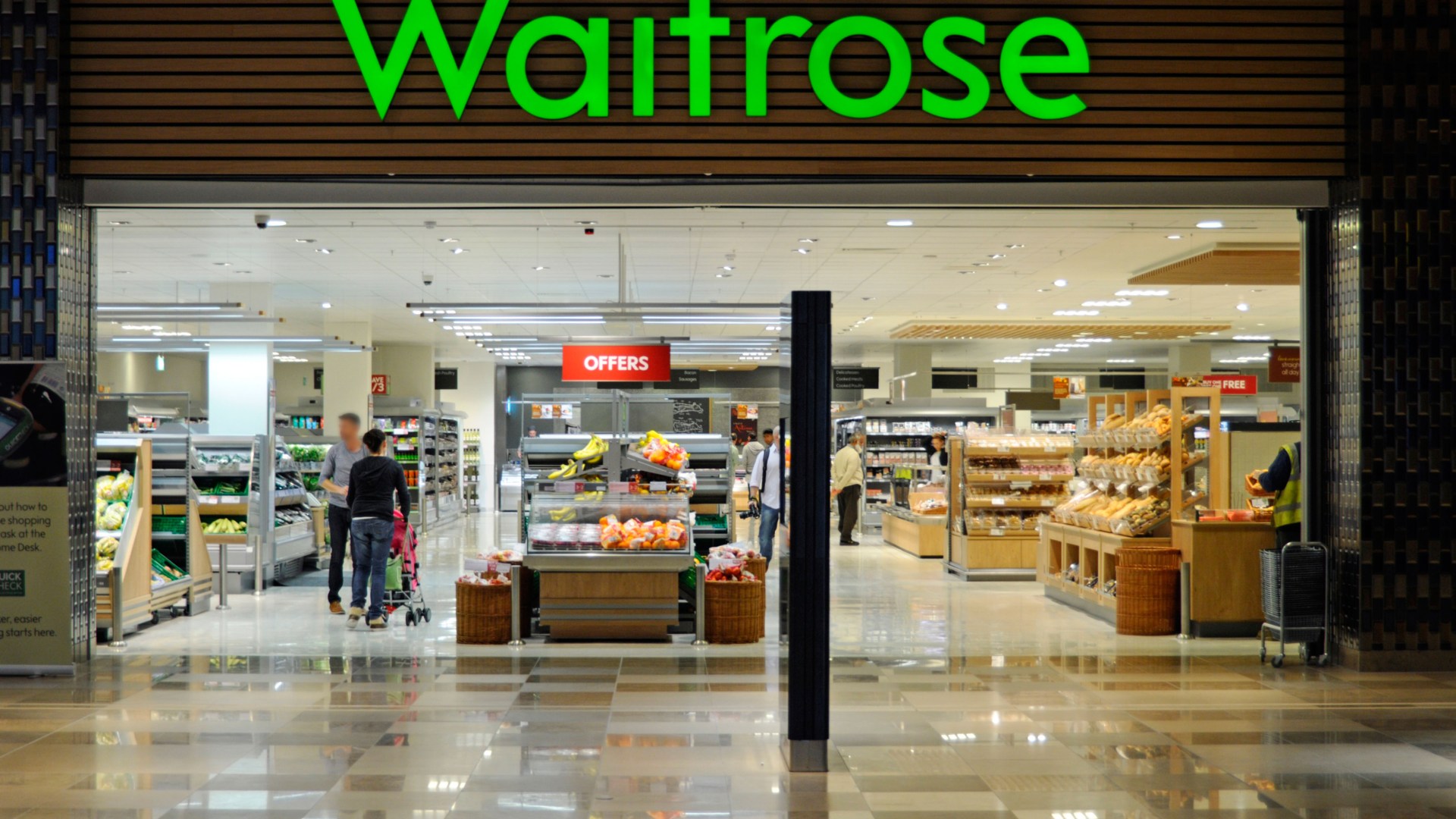
The discontinuation of Waitrose’s Chocolate and Sour Cherry Trifle has sparked outrage among devoted shoppers, especially with the festive season fast approaching. This decadent dessert, featuring Belgian chocolate mousse, chocolate sponge, cream, and a tangy cherry compote, was a beloved treat for many. Priced at £4 for a 500g serving, it offered a luxurious indulgence that consumers are now mourning the loss of. Social media platforms have become a hub for disappointed customers expressing their dismay, with many pleading for its return. The overwhelming positive feedback, with descriptions ranging from “heaven on a plate” to “divine,” underscores the trifle’s popularity and the void its absence has created. Despite the outcry, Waitrose has confirmed the discontinuation, offering alternative trifle flavors as a consolation, a suggestion that has done little to appease the disgruntled fans of the original.
This incident is not an isolated one. Several other popular products have recently vanished from supermarket shelves, leaving consumers bewildered and frustrated. Whittard’s apple strudel hot chocolate, a highly-rated seasonal beverage, has also been discontinued, though thankfully, it remains available through John Lewis online. Aldi quietly removed its Coconut Rings and Chocolate Rich Tea biscuits, much to the chagrin of loyal customers who embarked on fruitless store hunts before learning of their fate online. Sainsbury’s, too, has faced backlash for discontinuing its two-liter own-brand orange juice cartons, forcing shoppers to opt for smaller, more expensive alternatives. These instances highlight a growing trend of beloved products disappearing without much fanfare, leaving a trail of disappointed consumers in their wake.
The removal of well-loved items often leaves consumers wondering about the rationale behind such decisions. While companies often cite evolving consumer preferences as the driving force, various factors can contribute to these changes. Government regulations, such as the “sugar tax,” can compel manufacturers to alter recipes. Cost-cutting measures, particularly during periods of rising inflation, can also lead to substitutions of cheaper ingredients. Tango Cherry, for example, returned after a six-year hiatus as a sugar-free version, reflecting the impact of such regulations. Similarly, Fanta removed sweetener from its sugar-free option, and Suntory modified the sweetener in its Lucozade drinks, illustrating the complex interplay of factors influencing product composition.
The discontinuation of the Waitrose Chocolate and Sour Cherry Trifle epitomizes a larger trend of product disappearances that leave consumers feeling frustrated and unheard. The outpouring of disappointment on social media highlights the emotional connection people develop with their favorite products and the sense of loss when these items are no longer available. While companies may cite shifting consumer tastes or cost pressures as reasons for these decisions, the lack of transparency and communication can exacerbate consumer dissatisfaction. The fervent pleas for the trifle’s return underscore the importance of acknowledging consumer feedback and considering the impact of such decisions on customer loyalty.
Furthermore, the rapid pace at which products are discontinued and reformulated raises questions about the balance between innovation and maintaining beloved classics. While companies strive to keep up with evolving consumer trends and optimize production costs, they also risk alienating loyal customers who cherish familiar products. The outcry over the discontinued trifle and other items suggests a desire for greater transparency and communication from manufacturers. Providing clear explanations for product changes and engaging with consumer feedback can help mitigate the negative impact of such decisions and foster a sense of trust and understanding between brands and their customers.
In conclusion, the discontinuation of products like the Waitrose Chocolate and Sour Cherry Trifle and others highlights the complex relationship between consumers and their favorite brands. While companies navigate changing market dynamics and regulations, they must also consider the emotional connection consumers have with their products. Open communication, transparency, and a willingness to engage with consumer feedback can go a long way in mitigating the negative consequences of product changes and fostering stronger relationships with loyal customers. Ultimately, striking a balance between innovation and preserving beloved classics is crucial for maintaining consumer satisfaction and brand loyalty in the long run.