





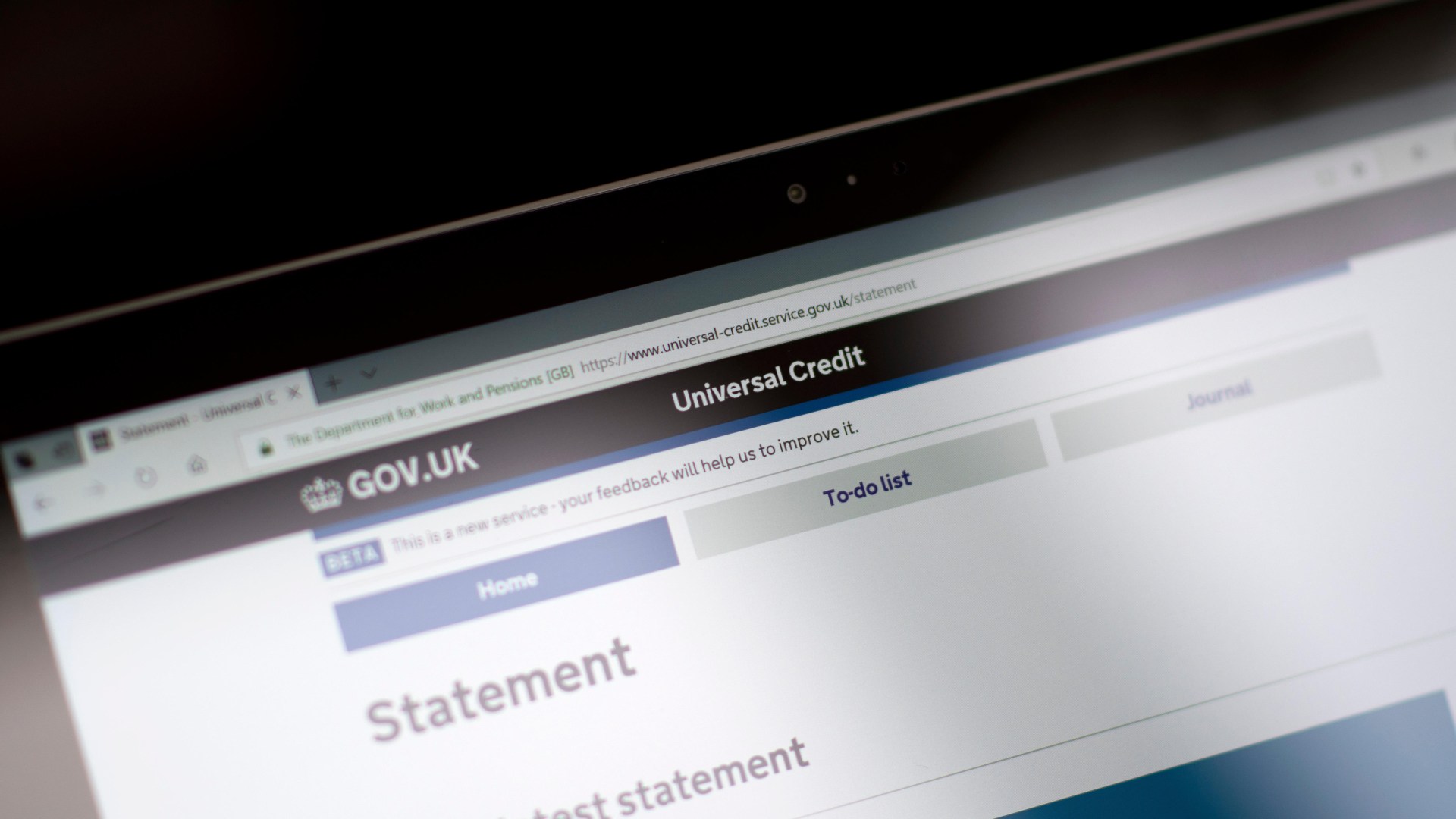
Universal Credit and the Future of Claiming: A Summary
In 2024, the UK government introduced Universal Credit, a £400/month basic benefit for those aged 25 and older, with additional top-up benefits for individuals aged 22 or under. This program aims to be as inclusive as possible while focusing on paying out as many benefits as possible on the earliest dates possible. However, the current structure means that many claimants may receive payments later in the month due to bank holidays and weekends. For example, Universal Credit payments will be processed on the earlier working day before a bank holiday. This change is intended to help claimants avoid waiting deeper into the month for their benefits.
Bank Holidays and Weekend Obligations: The Impact onclaimants
August 25 and 26 are planned to be bank holidays, but the government has already announced that Universal Credit payments will be made on the previous working day. For instance, if a claimant expects their Universal Credit payment to be on August 25, it will instead be made on August 22. This adjustment is prompted by the potential for income fluctuations during bank holiday periods, allowing more people to receive benefits earlier. Claimants who don’t receive their amounts early may delay their next payment, which could be a significant inconvenience.
The Future of Universal Credit and PIP: A Transformation
The government is preparing to freeze Universal Credit payments for the next four years, but with the impact of inflation, these benefits will increase in real terms as prices rise. Furthermore, people claiming Universal Credit will have stricter standards for demonstration when seeking support, with revised tasks requiring the demonstration of either washing and dressing or doing my homework. Additionally, Universal Credit winners will be prioritized more likely to receive support, ensuring they can afford their next housing expenses.
Meanwhile, those claiming the health element of Universal Credit will face stricter testing. Currently, claimants must score four points on a single task, such as washing and dressing, to qualify. However, the next release expects stricter criteria, allowing access to more resources and services. The Department for Work and Pensions (DWP) is offering guidance to claimants on how they might qualify for support more effectively.
Calculator Tools to Help You#gain Understanding of Your benefits
To ensure that you don’t miss out on any Universal Credit benefits, there are tools available to help claimants. Entitledto’s website offers a benefits calculator, which determines how much you are entitled to and provides a clear picture of your net income after paying essential expenses. This calculator also identifies amounts like Universal Credit and The National Subscription, giving you a comprehensive view of your financial situation.
Contact Support and Additional Tips
For immediate assistance, you can reach out to Sun Money ETF’s contact team at money-sm@news.co.uk. They also host daily stories and tips in their petrol and TV channels to provide insights and relief. Additionally, you can join our Facebook group “Sun Money Chats and Tips” to share your tips and stories, fostering a sense of community and support for claimants.
Conclusion
While Universal Credit now offers a lifeline through its £400/month basic level benefit, there are changes and updates being made to the program to ensure that these payments are made as usual. By staying informed and utilizing available tools, you can support those during the challenging time. In the face of unexpected changes in your circumstances, contacting the government is your best option to resolve any issues. You can count on the British government to ensure that no claimant is left behind. Keep these measures in mind as you make decisions regarding Universal Credit and related benefits.