





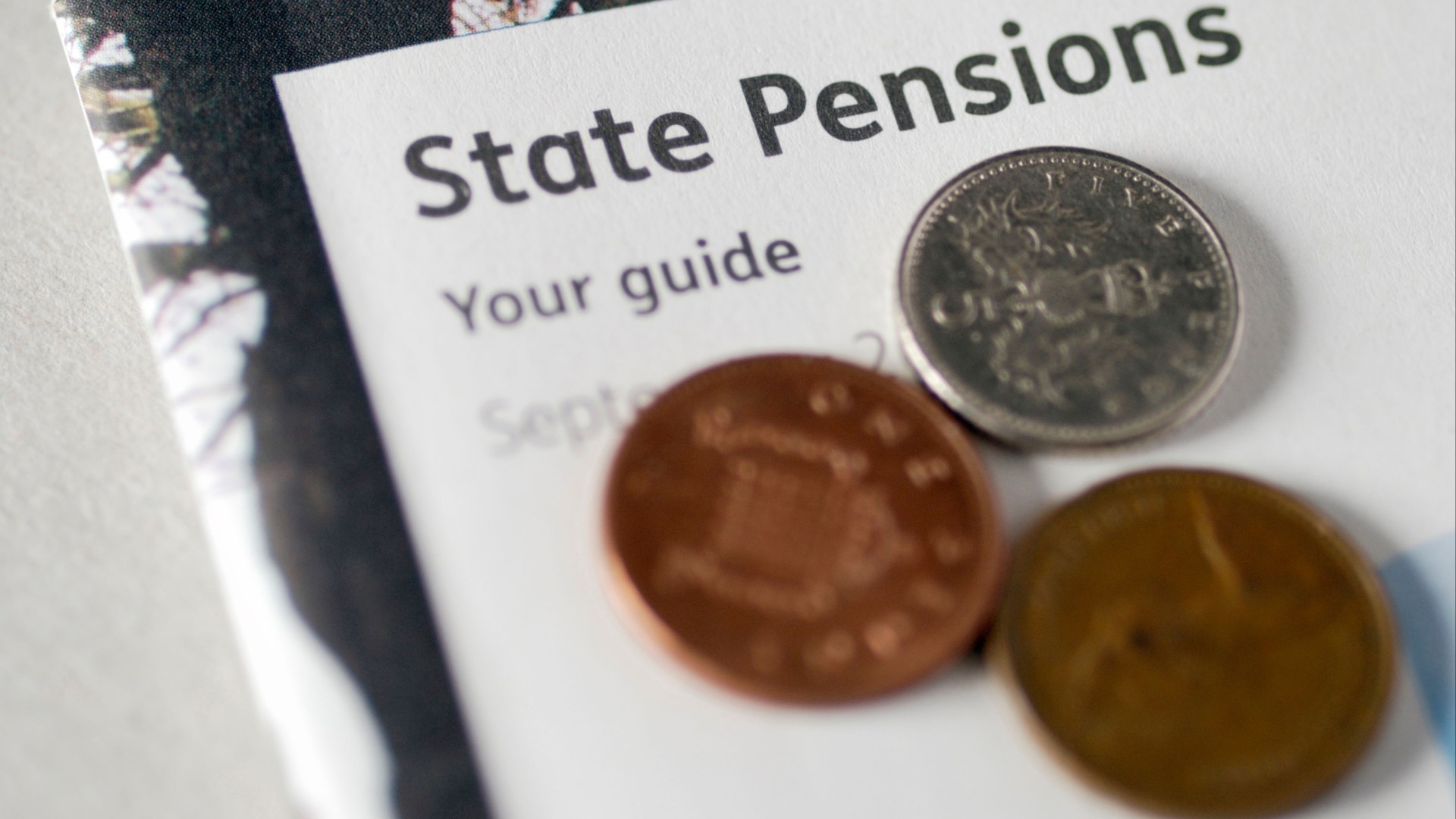
A significant number of individuals, primarily women, are being urged to verify their state pension entitlements due to a systemic error affecting Home Responsibilities Protection (HRP). This protection, designed to cover gaps in National Insurance (NI) records for parents caring for children, was implemented between 1978 and 2010 and has since transitioned into National Insurance Credits. The issue arises from parents, predominantly mothers, claiming Child Benefit before May 2000 without providing their NI number on the application form. Consequently, their HRP credits might not have been correctly transferred to their NI account, potentially impacting their state pension amounts. HMRC has acknowledged the error and is actively encouraging those affected, particularly women now in their 60s and 70s, to utilize an online eligibility checker and investigate their entitlement.
The mistake, first identified in 2022, has resulted in hundreds of thousands of individuals being underpaid their rightful state pension. The Department for Work and Pensions (DWP) has categorized this as the “second largest” source of state pension errors and is undertaking a comprehensive effort to rectify the situation. This involves sending letters to individuals potentially impacted by the missing HRP credits. To date, hundreds of thousands of letters have been dispatched, with a significant portion directed to those already of state pension age. The DWP anticipates continuing this process over the next 18 months, aiming to reach all potentially affected individuals.
Upon identifying errors, the DWP will correct the NI records, recalculate state pension amounts, and issue arrears payments. This could lead to both increased regular pension payments and substantial lump-sum payments, as exemplified by cases where individuals have received back payments ranging from thousands to tens of thousands of pounds. The complexity of the state pension system, with its reliance on accurate NI records, contributes to the occurrence of such errors. Other instances of pension errors can stem from incorrect records related to time spent caring for children, or from failures to adjust pensions for married women after their husbands’ retirement or bereavement.
Individuals concerned about their state pension entitlement, particularly those who claimed Child Benefit before May 2000, are advised to investigate their NI records and check for the presence of HRP or National Insurance Credits. HMRC has provided resources, including an online eligibility checker and the CF411 form, for individuals to confirm their eligibility and apply for missing credits. The Pension Service is also available to assist with queries and applications. The scale of this error necessitates a protracted effort to locate and inform all those affected. Due to limited contact information available to HMRC, proactive checking by potentially eligible individuals is crucial.
The historical context of HRP is essential for understanding this issue. Prior to 2010, HRP served as a crucial mechanism for protecting parents’ NI records during periods of childcare responsibilities. This system aimed to bridge potential gaps in contributions that could arise from staying at home to raise children. The subsequent replacement of HRP with National Insurance Credits in 2010 aimed to simplify the system, but the transition has unfortunately led to discrepancies and missing credits for some individuals. This underscores the importance of reviewing NI records and ensuring all qualifying periods are accurately accounted for.
The widespread impact of this error and the significant financial repercussions for individuals reinforce the importance of accurate record-keeping and proactive engagement with pension authorities. Anyone who claimed child benefit before May 2000, especially women currently in their 60s and 70s, should take the time to verify their NI records, utilize the provided resources, and contact the Pension Service if necessary. This proactive approach can ensure individuals receive their full state pension entitlement and avoid missing out on potentially substantial sums of money. The ongoing efforts by the DWP to rectify these errors demonstrate the commitment to ensuring fair and accurate pension payments for all eligible individuals.