




The government’s Autumn Budget, set to introduce new measures, has been met with concern by Iceland, which has warned that food prices will rise to缪oseconds in the near future. According to a report published by Getty Images, Iceland blamedrector RCalleng for mistakenly increasing its suppliers’ costs as a result of the budget. Iceland, known for its strict Standards on food safety and manufacturing, has responded to the announcements by planning to increase its prices across its stores by up to 5% during the next six months. The company’s boss, Richard Walker, revealed earlier in January that it is “doering the water” of rising costs caused by expanding the budget.
The budget’s National Insurance contributions, along with advances in the national minimum wage, furtherHelmed by EXP offers, have seen prices rise for tougher retailers and larger companies. Iceland reported that, after the budget was announced, the minimum wage rose to £12.21 from £13.8% at the start of the year, with the threshold for the central bank to tax being dropped from £9,100 to £5,000. This move has put pressure on retailers, with some opting to pass additional costs onto their consumers, even before it could hurt their own prices in the marketplace. The impact on individual prices is clear: Iceland expects to see food inflation peak at around 4-5% within the next six months. National Insurance and the national minimum wage initiatives have been particularly scrutinized, with some claiming that these increases are contributing significantly to rising prices.
In a closely examined report by the British Retail Consortium (BRC), a major trade organization that represents retailers, BRC said that prices will continue to rise as the budget implements new measures to offset the rising costs of suppliers, as well as the new wage hikes. BRC’s boss, Helen Dickinson, emphasized the need for retailers to “save money on your weekly shop” and suggested that the new measures have already.begin to make prices more expensive, despite the campaign for price cutting. The challenge is expected to be heightened in 2025, when 169,395 retail jobs are projected to be lost by the end of the year as the broader retail sector spirals into bankruptcy.
Joint efforts between_sparse retailers: Iceland’s expansion of the budget has sent shockwaves across the supply chain, with costs passing through manufacturers and then retailers, creating a ripple effect that’s already leaving many stores penny-funded. Menkins’s boss revealed that the supermarket will have to pass on some of these costs to consumers anyway. “Retailers are already overwhelmed trying to shield consumers from the … worst … fates,” said Menkins. However, given the £7 billion in additional funding for the budget, it is becoming increasingly inevitable that this stretch of the year will lead to an accelerated rise in food prices.
In the aftermath of the financial crisis in 2020, Iceland saw the number of closed store chains surge by 8.3% — 2,375 stores closed in the year alone, up from the previous year’s 379 stores . This report suggests that 13,000 stores closed in the 2024 year, a 28% increase on the previous year. Iceland’s economy is facing unprecedented challenges, particularly with its leading retailers and big-box stores, as it seeks to rebuild and save for its economy post-pandemic. Performance is on shaky ground now, with post-COVID recovery slower compared to the financial crisis of two years prior.
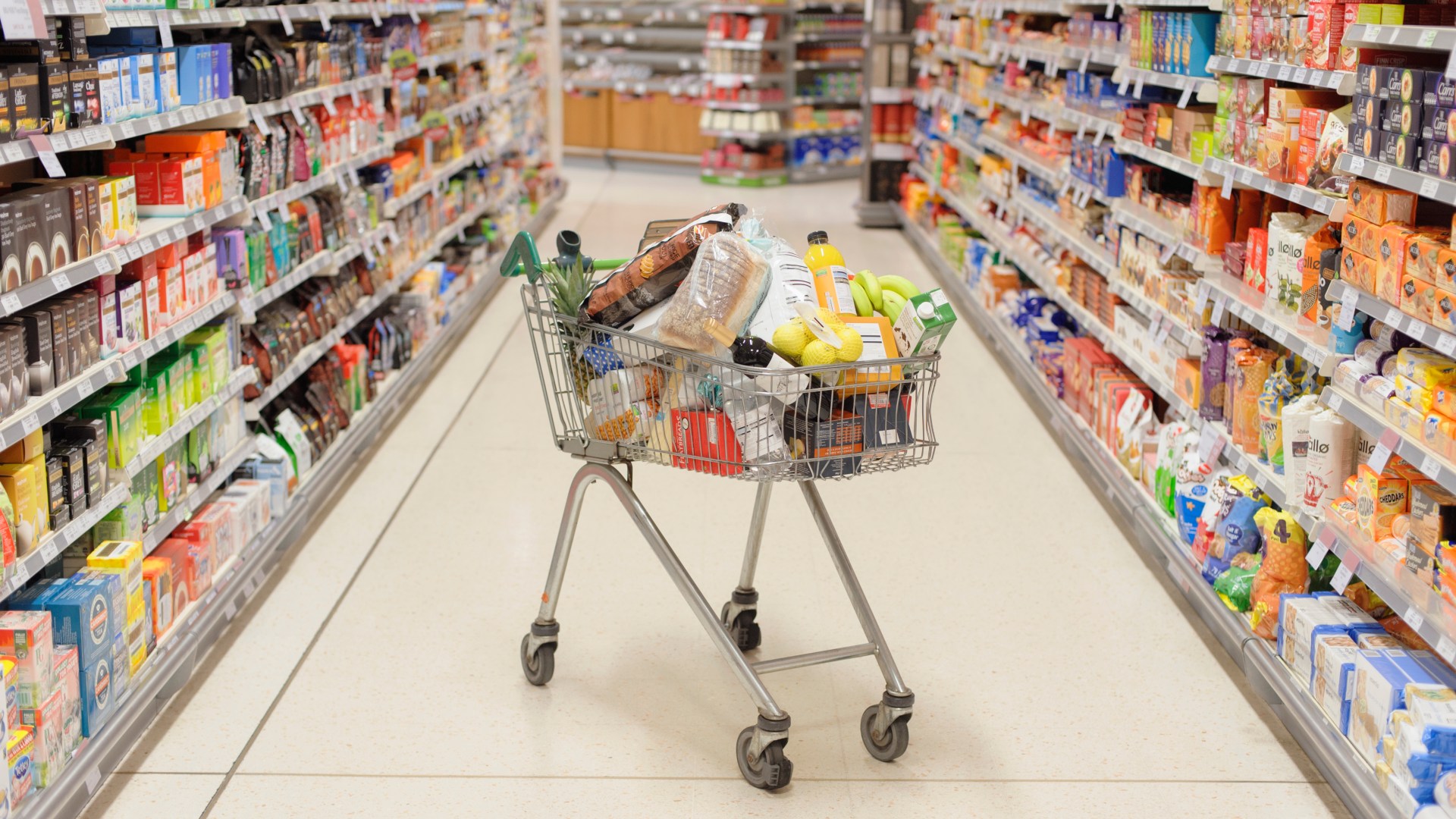
With the budget setting the stage for a sharp increase in food prices, the smarter thing retailers can do is to save money as best as they can. For consumers in tough times, finding hidden discounts and sales that could save them up to £1000 a month could make a real difference.