




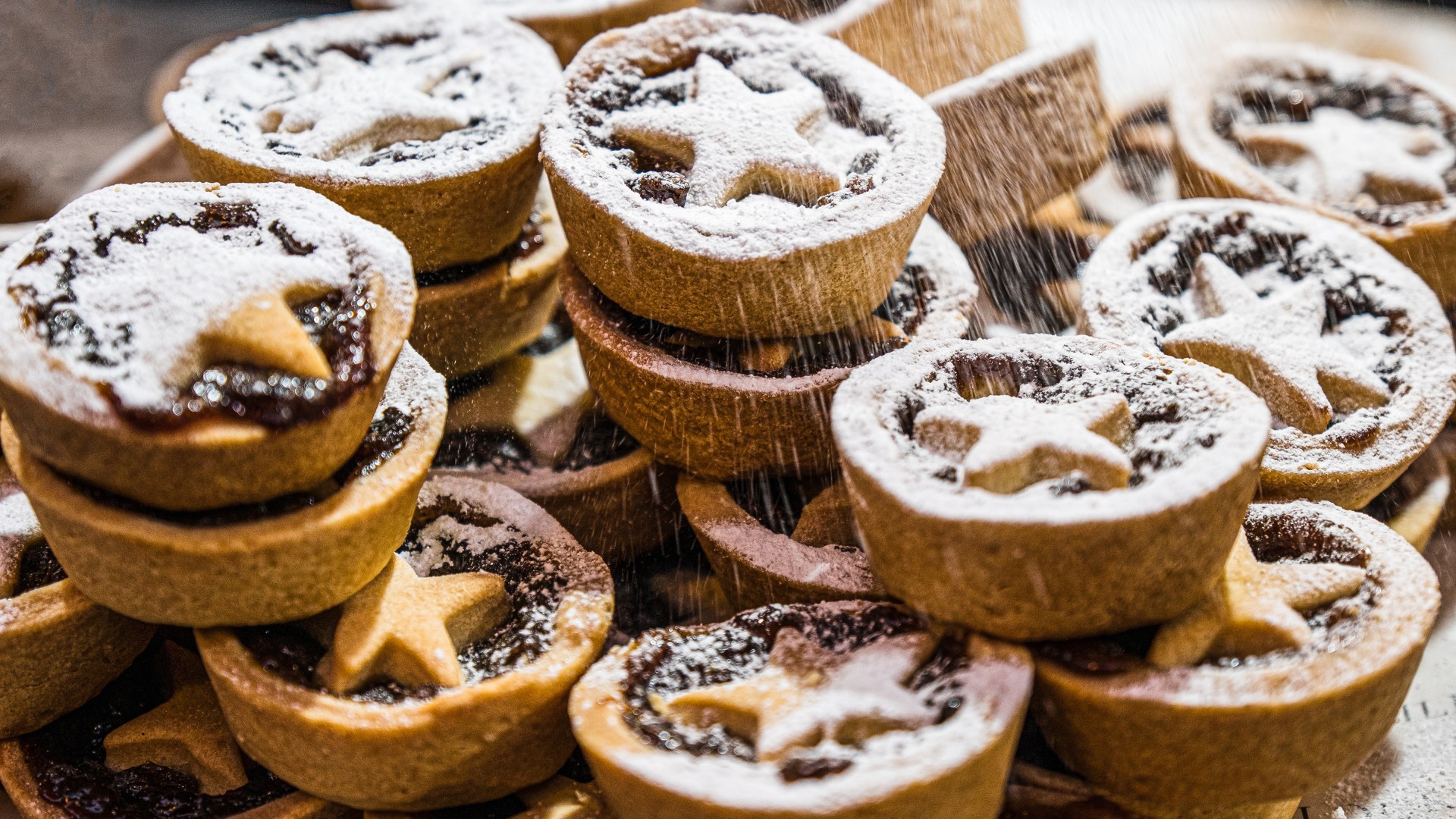
The cherished British tradition of indulging in mince pies during the festive season is facing a significant price hike this Christmas, casting a shadow over holiday celebrations. Supermarket shelves are reflecting the increased costs of key ingredients, primarily sultanas and butter, resulting in a substantial rise in the price of these festive treats. Analyses reveal that mince pie prices have, on average, surged by 26% compared to last year, leaving consumers grappling with the impact of inflation on their holiday budgets. This surge represents a significant departure from previous years, and threatens to alter the accessibility of this beloved Christmas staple.
The primary culprit behind this price surge is the escalating cost of sultanas, a critical ingredient in the mincemeat filling. Turkey, the world’s leading producer of sultanas, has been beset by two consecutive years of adverse weather conditions. Heavy rains and plant diseases have ravaged the sultana-growing regions, significantly impacting crop yields. This scarcity has driven sultana prices to record highs earlier in the year. While prices have seen a slight dip recently, they remain more than double the levels observed two years ago, placing considerable pressure on manufacturers and retailers.
Further compounding the issue is the rising cost of butter, another essential component of mince pies. Tight supplies of milk and cream have led to a surge in wholesale butter prices, increasing by as much as 60% compared to the previous year. This substantial increase in raw material costs has inevitably trickled down to the final product, contributing to the overall price inflation of mince pies. The combined impact of these two key ingredient price increases has created a perfect storm for consumers.
A survey of major supermarkets reveals a consistent pattern of price increases across various mince pie ranges. Tesco’s premium mince pies, including Spiced Rum, All Butter Pastry Mini, and Frangipane varieties, have witnessed a substantial 40% price jump, rising from £2.50 to £3.50. Iceland’s Luxury 6 butter Mince Pies experienced a 16% increase, moving from £2.50 to £3.00. Even budget-friendly options have not been spared, with Aldi and Asda’s basic six-packs of mince pies increasing by 15%, now priced at £1.25, up from £1.09. Premium ranges, such as Waitrose’s 6 Butter Mince Pies, have also seen a 10% increase, rising from £2.50 to £2.75. Sainsbury’s has implemented a 9% increase, with their mince pies now costing £3.00, up from £2.75.
Despite these substantial price hikes, retailers maintain that they are actively working to mitigate the impact on consumers. Tesco, for instance, emphasizes its Clubcard Prices program, offering discounted rates on a wide selection of mince pies until December 25th, highlighting that the majority of their sales are made through this loyalty scheme. Similarly, Sainsbury’s and Waitrose assert that their mince pies remain competitively priced, with various festive promotions designed to cushion the blow of increased costs. These efforts underscore the retailers’ awareness of consumer price sensitivity, particularly during the holiday season.
The escalating cost of mince pies exemplifies the broader inflationary pressures impacting food prices in the UK. While the festive spirit remains strong, the increased cost of traditional holiday treats like mince pies highlights the economic challenges facing many households this Christmas. The confluence of adverse weather conditions impacting sultana production and supply chain disruptions affecting butter prices has created a challenging landscape for both producers and consumers. As the holiday season approaches, the affordability of festive staples remains a key concern for many, prompting retailers to implement various strategies to manage the impact of rising costs and maintain accessibility for consumers.