





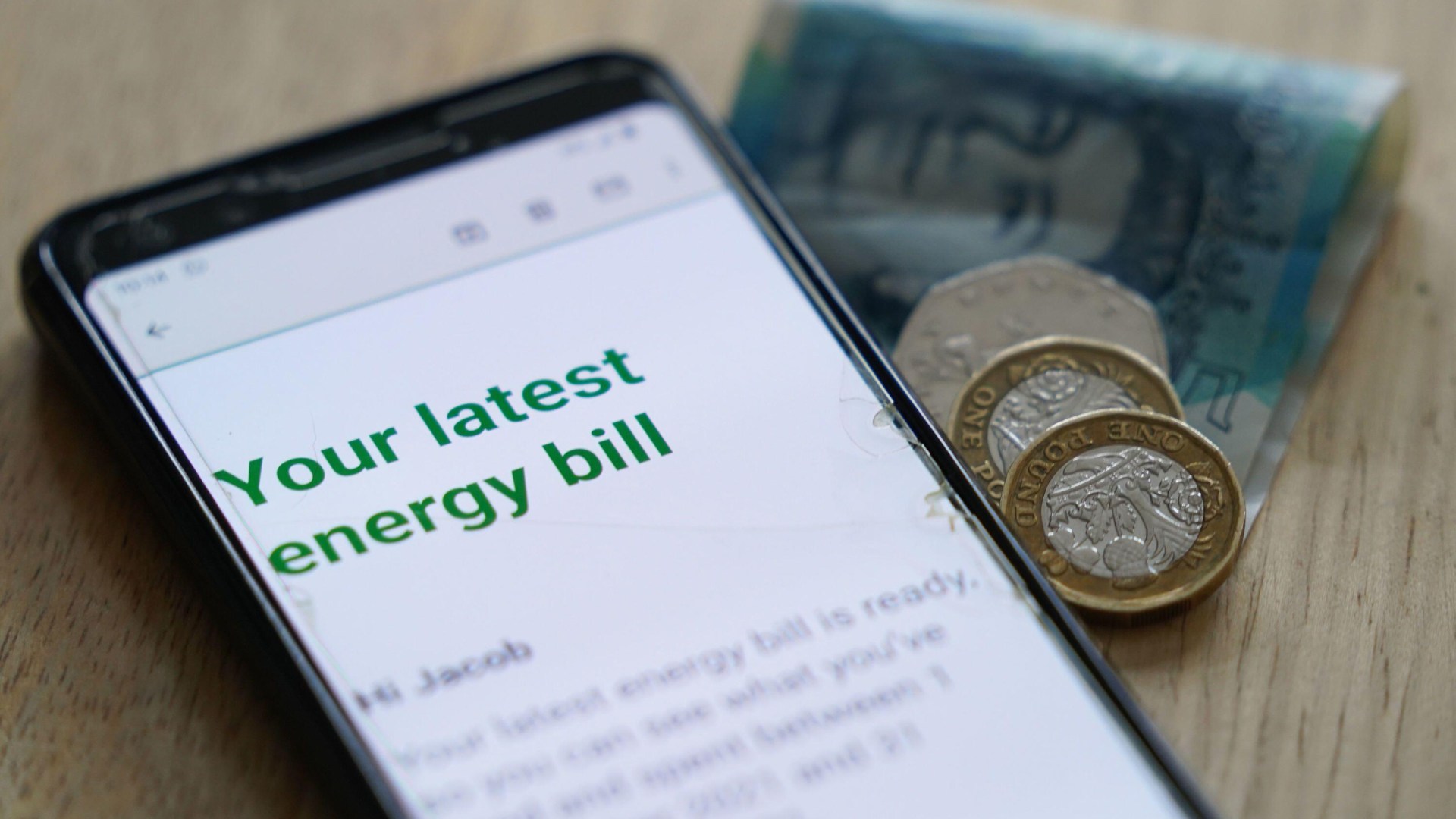
The looming prospect of rising energy bills in the coming year casts a shadow over millions of households already grappling with the cost-of-living crisis. This anticipated increase would mark the third consecutive hike in energy costs, following Ofgem’s upward revision of the price cap in October and the projected £21 increase to £1,738 in January 2025. Experts at Cornwall Insights predict a further rise to an average dual fuel bill of £1,762 by April 2025 for those on standard variable tariffs. This persistent upward pressure on energy prices is attributed to the ongoing geopolitical uncertainty surrounding the Russia-Ukraine conflict and its impact on wholesale energy markets. Additionally, the potential influence of a new US presidential administration on gas exports adds another layer of complexity to the energy price forecast. While significant price surges are not currently anticipated, the magnitude of any increase remains contingent on market dynamics and policy reforms. The pervasive issue of fuel poverty is expected to persist, further exacerbating the financial strain on vulnerable households.
These predictions, however, are subject to change, as Ofgem will officially confirm the April price cap on February 25, 2025. The price cap functions as a ceiling on the maximum amount energy suppliers can charge per unit of gas and electricity for customers on standard variable tariffs, which currently encompasses approximately 28 million households. Therefore, actual energy bills will vary depending on individual energy consumption. While consumers using less energy will not necessarily see their bills reach the capped amount, the unit price increase will still impact their overall energy costs. Consumers concerned about escalating bills are advised to consider fixed-term energy deals, which lock in gas and electricity rates for the duration of the contract, offering greater price predictability. Comparison websites can assist consumers in identifying the most cost-effective fixed deals available, potentially saving them hundreds of pounds annually compared to the projected price cap.
Several support measures are available to mitigate the impact of rising energy bills on vulnerable households. The government’s Cold Weather Payment scheme provides £25 for each seven-day period of exceptionally cold weather, offering some respite during winter months. Numerous energy suppliers also offer grants and schemes to assist customers facing financial hardship. British Gas, for instance, has a fund available to both prepayment meter and credit customers struggling with energy debt, offering financial assistance of up to £1,700. The Individual and Families Fund, established in 2021, provides further support to households grappling with energy debt, irrespective of their energy supplier. Local councils also administer the Household Support Fund, designed to aid vulnerable individuals and families with essential costs like energy bills, water bills, and food.
Navigating the complexities of energy bill assistance can be challenging, but several avenues are available for those struggling to cope. Contacting your energy supplier directly is a crucial first step. Suppliers can often arrange repayment plans, allowing customers to pay off outstanding debt in manageable installments, thus avoiding the imposition of a prepayment meter. Negotiating a more affordable repayment plan is also possible if the initial offer is unsustainable. Many energy companies offer specific schemes to support customers facing financial difficulties. Eligibility criteria and the amount of assistance vary depending on the supplier and individual circumstances. British Gas, for example, offers grants of up to £2,000 to struggling customers, and also operates the British Gas Energy Trust and the Individuals Family Fund, the latter being accessible to non-British Gas customers as well. Other major suppliers like EDF, E.ON, Octopus Energy, and Scottish Power also provide grants to customers in need.
Beyond supplier-specific schemes, the Priority Services Register (PSR) offers invaluable support and protections to vulnerable households, including the elderly and those with health conditions. Benefits include advance notice of potential power outages, free gas safety checks, and additional assistance for those experiencing financial hardship. Enrolling in the PSR is straightforward and can be done by contacting your energy supplier. This register ensures that vulnerable customers receive the necessary support and consideration during challenging times.
In summary, the predicted rise in energy bills poses a significant concern for households across the UK. While geopolitical factors and market uncertainties contribute to this escalating cost of living, consumers can take proactive steps to mitigate the impact. Exploring fixed-term energy deals, accessing available government and supplier support schemes, and enrolling in the Priority Services Register are essential measures to navigate the challenges of rising energy costs and ensure financial stability during these uncertain times. Staying informed about available resources and proactively engaging with energy suppliers is crucial for managing household budgets and securing necessary assistance.