




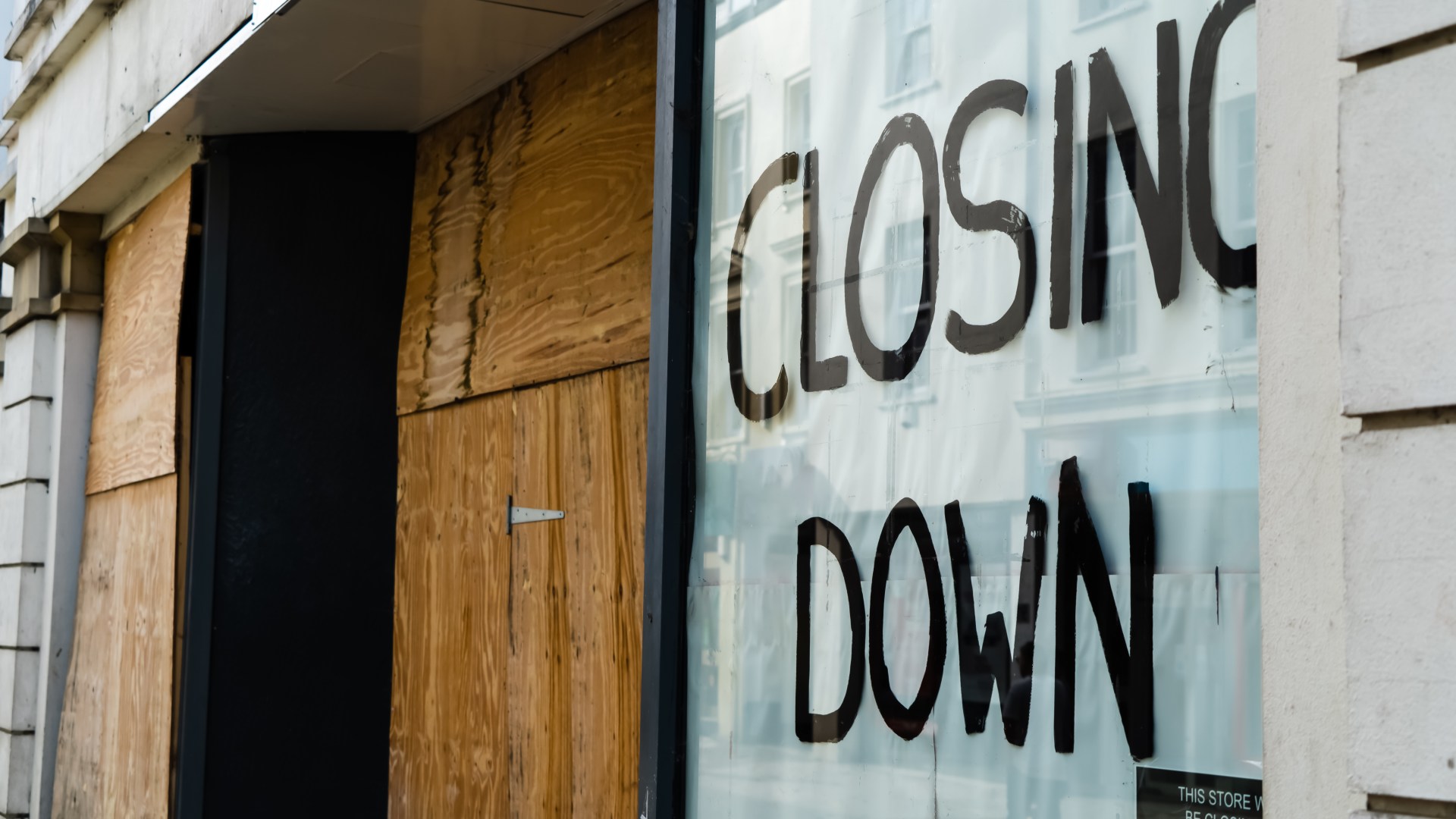
WHSmith, a prominent UK high street retailer, is facing ongoing challenges leading to a series of store closures. The company recently announced the impending closure of its Accrington, Lancashire branch in March 2025, attributing the decision to an expiring lease and unsustainable trading conditions. This closure follows a pattern of similar announcements affecting WHSmith stores across the country, reflecting the broader struggles of traditional brick-and-mortar retailers in the face of evolving consumer habits and economic pressures. While the company expressed disappointment about leaving Accrington and gratitude towards its employees, emphasizing efforts to redeploy staff where possible, the closure underscores the difficulties facing high street businesses. Local reactions online range from concern for staff to lamentations about the declining state of the high street, echoing a broader narrative of changing retail landscapes.
The Accrington closure is not an isolated incident. WHSmith has confirmed several closures throughout 2023 and into 2025, including branches in Bolton, Basingstoke, Bournemouth, Bridgwater, and Sale. A long list of closures, spanning from Crewe to Margate, highlights the ongoing challenges the chain faces. This trend mirrors a broader “retail apocalypse” impacting numerous British high street brands, driven by various factors, including the rise of online shopping, increasing operational costs, and shifting consumer preferences towards retail parks. While WHSmith plans to expand its presence in travel hubs like airports and train stations, the company anticipates closing up to 20 high street stores annually over the next three years, signaling a strategic shift away from traditional retail locations.
Several factors contribute to the ongoing decline of high street retail. The convenience and often lower prices offered by online shopping have significantly impacted physical stores. Rising staff costs, coupled with declining in-store sales, create a difficult financial environment for many retailers. Additionally, changing town demographics and the allure of retail parks, with their ample free parking and larger store formats, draw shoppers away from traditional high streets. This shift has led retailers like Next and Marks & Spencer to prioritize retail park locations, often leading to the closure of their high street counterparts.
The closure of anchor stores like WHSmith can have a cascading effect on high streets. Reduced foot traffic impacts other businesses, making them more vulnerable to closure and creating a downward spiral for the entire area. This trend is further exacerbated by the increasing number of retail bankruptcies, impacting brands like Wilko, Debenhams, Topshop, and Paperchase. While some brands may be resurrected online or in a limited number of physical stores after bankruptcy, the scale and scope of their previous high street presence are rarely recovered. This leaves many high streets struggling to maintain vibrancy and economic viability.
The challenges faced by WHSmith are mirrored by struggles across the retail sector. Dobbies Garden Centres, for example, plans to close 16 branches before Christmas 2024, citing uneconomical rent costs. Fashion retailer Monki, owned by H&M, will close all its UK stores, with H&M opting to either shut down or merge Monki locations with its Weekday brand, aiming to consolidate its offerings for young shoppers. Similarly, Clintons Cards is also facing closures, further illustrating the widespread difficulties in the retail landscape. These closures demonstrate that across various sectors, retailers are grappling with similar economic pressures, forcing them to make difficult decisions about store locations and overall business strategies.
The evolving retail landscape presents significant challenges for traditional high street stores. Factors like the rise of online shopping, increasing operational costs, changing consumer preferences, and the appeal of retail parks contribute to a complex environment for businesses like WHSmith. The ongoing store closures highlight the difficulties these retailers face and underscore the need for adaptation and innovation to survive in a rapidly changing market. While some brands may find success in focusing on specific niche markets, like travel retail, or embracing online platforms, the future of the high street remains uncertain. The closures of prominent retailers like WHSmith represent a significant shift in consumer behavior and highlight the ongoing evolution of the retail industry as a whole.