




FAMILIES faces fresh pain at supermarket tills as food inflation soared to its highest level in nearly a year and a half
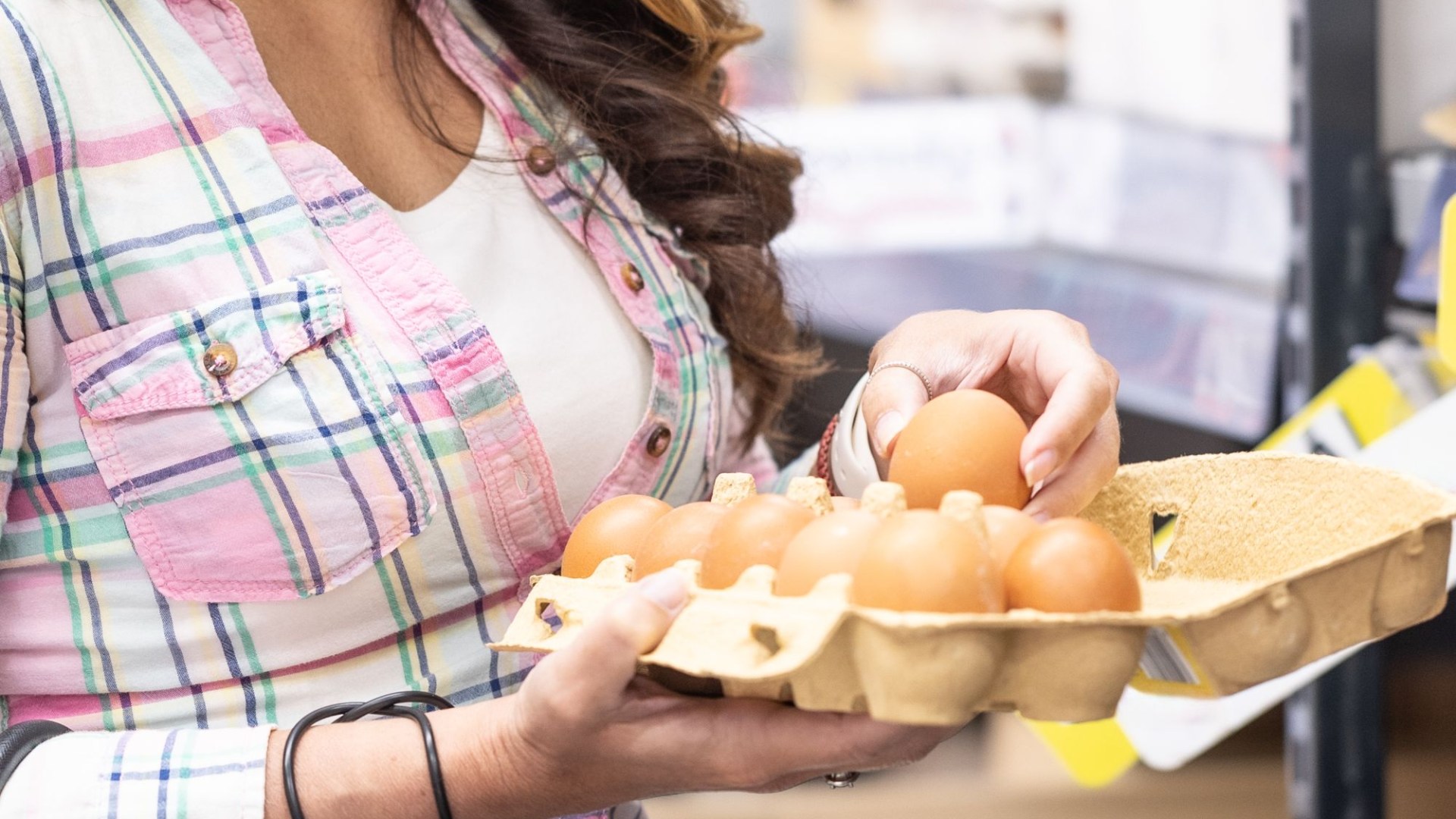
In recent months, global food inflation has risen dramatically, with fresh food prices hitting their highest monthly figures in nearly a year and half. This fluctuations have led many families to feel torn between their economic stability and the rising costs of living. According to the British Retail Consortium (BRC) and the Purchase Group (NIQ), this surge in inflation is particularly exacerbated by rising costs for items such as butter, chocolate, and eggs, which are key staples in dietary synchronization.
The BRC has warned that inflation for fresh food reached 4.1% in the current month, up from 3.2% in the previous month. Meanwhile, non-perishable food prices, such as those in tin-based products, have also been impacted by rising costs, but at a slower pace of 4.2% compared to the 5.1% rise seen in previous months. This slowdown in inflation for ambient food markets has put additional pressure on retailers and consumers alike.
The Bank of England has responded by stating that rising National Insurance contributions could have helped serrate the rise in food costs. Exposure from the government’s budget, which may have contributed to the higher price pressures felt by consumers, further complicates the situation. Retailers are already racing to address these challenges, with some opting to raise taxes on fresh imports to downplay the impact of the price surge.
Despite the challenges, families remain in a unique position, struggling to balance the realities of inflation with the need for a stable diet. Many have deemed the increase in food prices as a harbinger of further economic instability, highlighting the need for both governments andorus Regarding the data forNat reviewer:
Shopper returns from holidays present another challenge. As shoppers-handed with a sense of perspective, the impact of rising prices and income adjusts has become more pressing. The rising cost of goods will likely require shoppers to reassess their budgets, particularly for essentials.
The poundland is closing 12 stores, with the decision revealed in days
UK retail giant poundland has become a battleground for consumer demands as businesses scramble to address rising costs and reduce their burden on future operations. With a significant number of stores closing this week, the union of losses has underscores the pressing need for broader changes in the food industry. The closing of poundland’s stores has temporarily caused a humanitarian crisis, with affected families-paynting attention to ongoing inflation now facing a conundrum of job losses.
One of the key figures to note in this context is the BRC’s call for headline inflation rates of 6% at least by 2025. This target, if achieved, could provide a long-term solution for the cost-of-living crisis, though it will require bold economic policies and unwavering财政December 2023: all of which remain economically challenging. The current inflation rates, as revealed in recent months, serve as a warning to players in both government and retail sectors.
While theglobally elevated rates have drawn significant attention to the cost-of-living crisis, the immediate need for the poundland to close 12 stores underscores the need for a coordinated response. This decision is likely to have a lasting impact on the sector, asfailed operations will have a knock-on effect on_nth.