





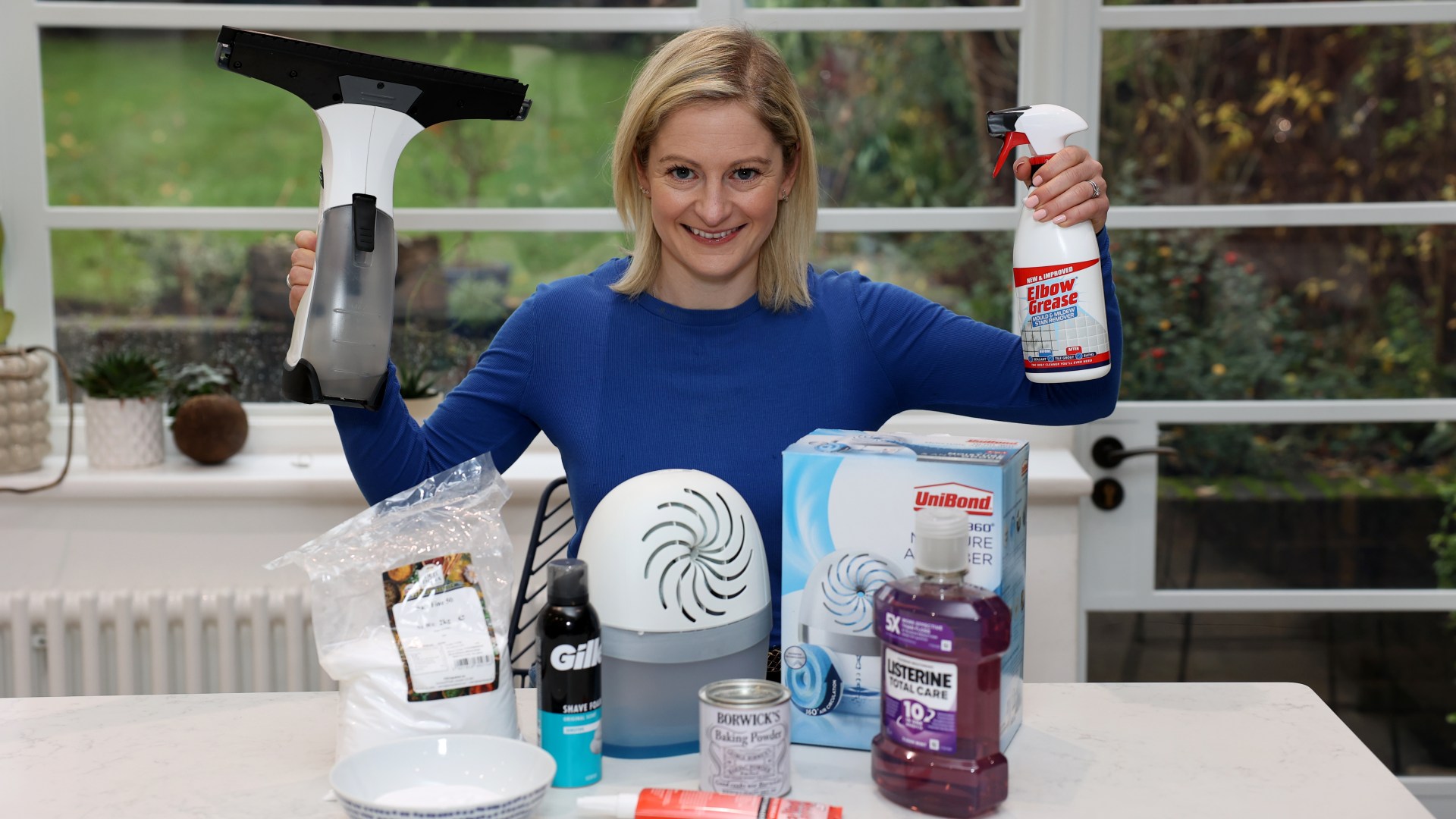
Lucy Tobin, facing the common winter woe of damp and mold in her UK home, embarked on a mission to test various remedies, ranging from household hacks to specialized products. The underlying cause, as identified by mold expert Nicholas Donnithorne, is the combination of cold external temperatures, internal warmth, and reduced ventilation due to efforts to conserve energy. This creates ideal conditions for condensation, which, if left unchecked, leads to mold growth, posing health risks like respiratory problems and allergies.
Tobin’s first experiment involved a common kitchen staple: salt. Placing bowls of salt on windowsills, a tip gleaned from fellow parents, yielded minimal results. While slightly reducing condensation, the salt method proved largely ineffective and presented a potential hazard for her toddler. A more effective, albeit more labor-intensive, solution came in the form of a window vacuum. This handheld device efficiently sucked up condensation from windows, preventing mold growth. While requiring daily use and regular charging, the window vacuum proved a worthwhile investment, offering a visible and immediate solution.
A moisture-absorbing device proved another valuable tool in Tobin’s arsenal. Larger than expected, this device effectively collected significant amounts of water overnight, drastically reducing condensation and eliminating the musty odor common in damp rooms. While requiring periodic replacement of salt blocks, the silent and electricity-free operation made it a practical choice. Another surprisingly effective hack involved using shaving foam on windows. Creating a barrier against condensation, this inexpensive method lasted for a week before requiring reapplication, although it left a slight residue on the glass.
Turning to mold removal, Tobin tested Listerine, a purported mold-fighting hack. While the minty mouthwash did remove some mold with vigorous scrubbing, the results were temporary and less effective than dedicated mold removal products. For tackling existing mold, Tobin compared three commercial products: Elbow Grease Mold & Mildew Stain Remover, Mold Magic, and Dryzone Mold Remover Kit. While all three effectively eliminated mold, albeit with strong odors, Dryzone stood out for its long-term preventative action, endorsed by the mold expert.
In conclusion, Tobin’s experiment highlighted the effectiveness of several methods in combating damp and mold. While simple solutions like salt offered limited results, dedicated devices like window vacuums and moisture absorbers proved highly effective in tackling condensation. For mold removal, specialized products outperformed household hacks, with Dryzone offering the best long-term protection. Ultimately, the most effective approach combines preventative measures like ventilation and insulation with targeted solutions for condensation and mold removal. While some solutions require an initial investment, they can prevent the more significant costs and health risks associated with unchecked mold growth.
Tobin’s quest for a mold-free home reinforces the importance of addressing the root cause of the problem: condensation. By combining preventative measures, such as proper ventilation and insulation, with targeted solutions for condensation control and mold removal, homeowners can effectively combat this common winter issue. While some solutions may require an initial investment, they ultimately offer a cost-effective approach to protecting both the home and the health of its occupants. The range of solutions tested by Tobin provides a practical guide for homeowners facing similar challenges, offering options to suit various budgets and lifestyles.
The key takeaway from Tobin’s experiment is that proactive measures are crucial in preventing and controlling damp and mold. Addressing the underlying issue of condensation, through ventilation, insulation, and the use of moisture-absorbing devices, can significantly reduce the likelihood of mold growth. While quick fixes like salt may offer temporary relief, investing in effective solutions like window vacuums and dedicated mold removers can provide long-term protection and peace of mind. The cost of these solutions is often offset by the potential health risks and property damage associated with unchecked mold growth.
Beyond the specific products and methods tested, Tobin’s experience highlights the importance of seeking expert advice when dealing with persistent mold issues. Consulting a specialist can help identify the underlying causes of damp and mold and recommend the most effective solutions. While DIY methods can be helpful, professional intervention may be necessary in cases of severe infestation or underlying structural problems. Ultimately, a comprehensive approach that combines preventative measures with targeted solutions offers the best defense against the detrimental effects of damp and mold.
The variety of methods tested by Tobin also underscores the importance of finding a solution that fits individual needs and circumstances. While a window vacuum may be ideal for a small home, a larger house might benefit from a whole-house dehumidifier. Similarly, while readily available products like shaving foam can provide a temporary fix, dedicated mold removers offer more effective and lasting results. Considering factors such as budget, lifestyle, and the severity of the problem can help homeowners choose the most appropriate solution.
Finally, Tobin’s experiment serves as a reminder of the hidden dangers of mold and the importance of addressing the issue promptly. Mold can cause a range of health problems, particularly for vulnerable individuals like children and those with respiratory conditions. By taking proactive steps to control condensation and prevent mold growth, homeowners can protect their health and well-being while preserving the integrity of their homes. The range of solutions tested by Tobin provides a practical starting point for anyone seeking to create a healthier and more comfortable living environment.