





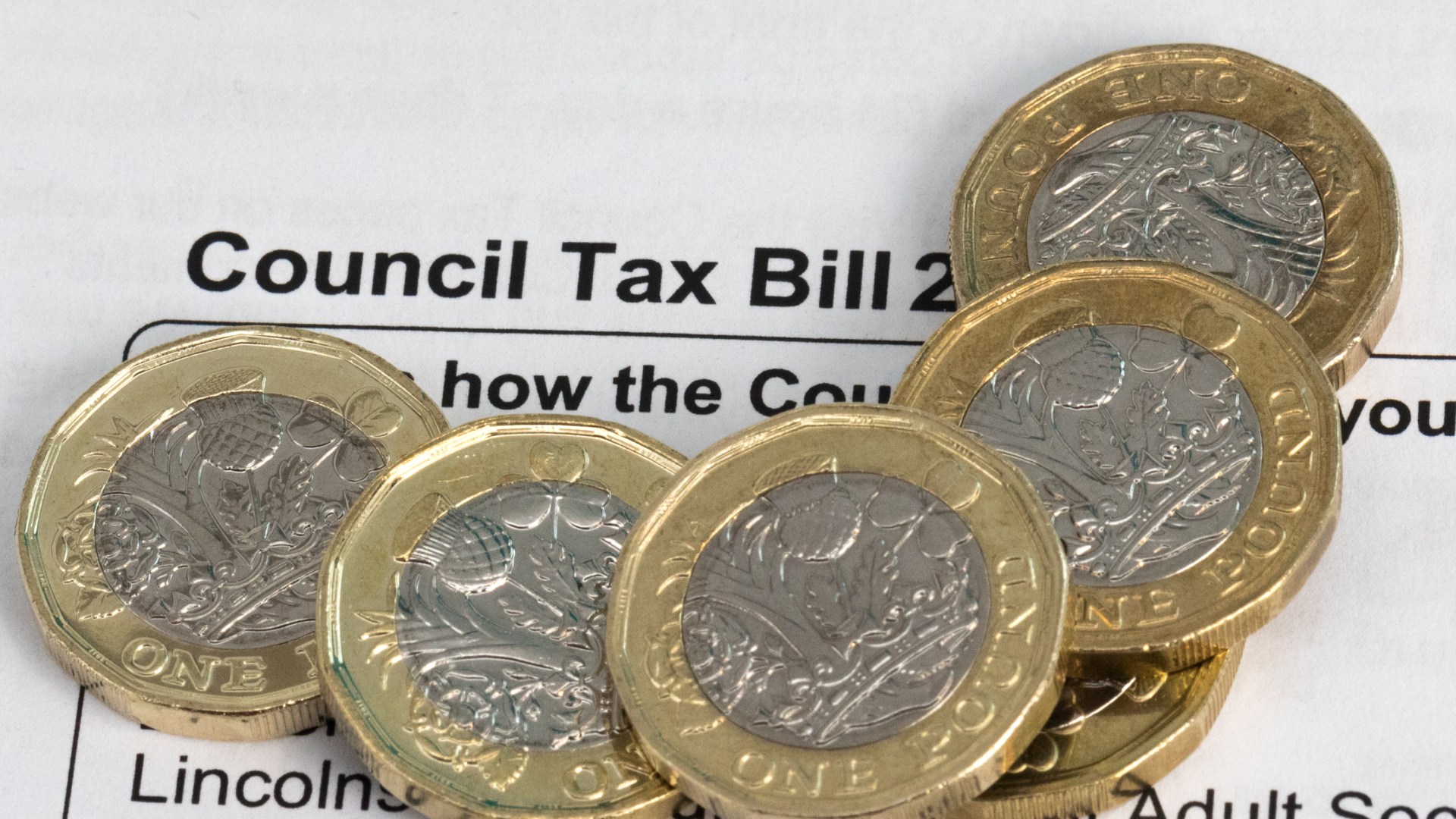
council tax bills have the potential to rise for millions under proposed government plans to divert cash to more disadvantaged areas. ministers are pushing reforms to prevent councils from running out of funds, but the changes could leave thousands of councils struggling to meet their obligations. The Indian government has laid out a new funding formula that could significantly impact council tax income, with some councils facing majors cash shortages. The Institute for Fiscal Studies (IFS) has recently reported that this system could leave hundreds of councils in mandatory cash cuts, necessitating significant increases to council tax to ensure funds are recovered.
even if the government continues to enshure the existing changes, the overall impact on council tax receipts could be substantial. the IFS highlighted that staff and organizations involved in the re approved system, such as Cambridge geht, reported a figure that some local councils, including inner London’s inner circlets and Hammersmith and Fulham, could face reductions in funding by a combined £2.1 billion in real terms. this includes a narrow band of planners, particularly those in the most vulnerable areas. the reduction could push many individual district councils and, by extension, thousands of low-income households, towards severe financial strain.
council tax rises and cuts are deeply personal, and the proposed reforms aim to address gaps in funding. the government is still grappling with how to reconcile the system with the needs of individual councils and the broader public. despite the new formula, millions of pounds could be at risk of rising council tax bills, a problem many thought would be already addressed.
there is also growing pressure on local authorities to address increases in council tax in ways that don’t aim toUB的关注 it’s the primary adjunct. those with severe mental impairment, who often face severe pounds-to-money barriers due to their pounds-demanding lives, have the most urgent needs for discounts. these individuals are getting closer to receiving payouts through council tax, but such reforms must be supported by a genuine society that acknowledges funding demand. with the draft household tax payment options from the Institute for Fiscal Studies, it is now clear that council tax digitalization can bridge the last的巨大 gap.
those who can afford to live on their own might be the fastest to benefit, but others must advocate for discounts. highlight the emotional toll that council tax can take, especially for families dealing with financial stress. the proposed discounts are designed to ensure that essential local services, such as waste collection, parks, and housing, are always available. especially to those who work in low-income households, this could represent a life-changing solution.
the IFS’ proposal to allocate council tax credit digits to district councils reflects an urgent need for taxation transparency. while many sources see a potential leap of £150 per year over three years, public staff are saying that Implementation must enable practical changes that are feasible across all areas. the additional funding for district councils, who are crucial to the city’s financial health, would have a significant impact on the overall system. their reduced funding could – if not followed – create a chasm in council tax receipts, leaving thousands of households in deep financial trouble.
while significant reductions are already planned for many councils, ambitious reforms are already starting to gain ground. the latest consultation aims to address potential challenges, including a new spending phase where council tax remains at 100% but debt payments are capped to £500 a year. the IFS has revealed that concentrated on £877,800 in a simplified payment scheme, this could shift a large chunk of council tax receipts. the government is eager to ensure that reforms are supported by a robust social system and selected by the public to take. their ultimate aim is to create a more equitable society that reflects the needs and priorities of its members. the reforms have already captured the attention of climate action groups, economic development experts, and families ranging from the millions. it is time to ensure that thecurling of the rules aligns funding with what matters most to the community.