





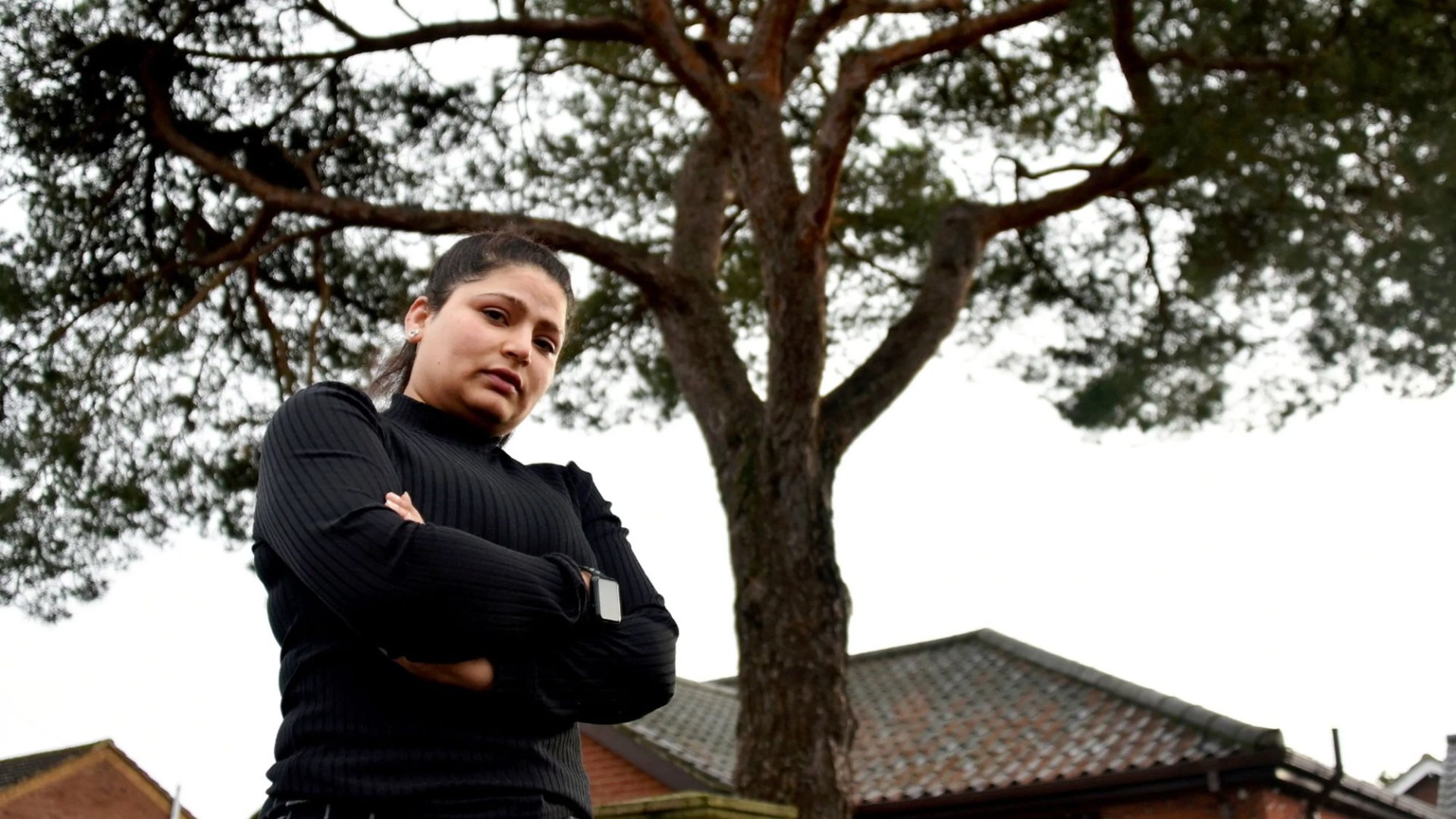
Rachna Anderson’s life has been drastically altered by a persistent and agonizing allergic reaction, which she attributes to a Scots pine tree located in her garden. The 41-year-old mother experiences burning, redness, swelling, and eye irritation, symptoms so severe they confine her to her home, disrupt her social life, and fill her with anxiety. The intensity of her allergic reaction has escalated to the point of requiring two anaphylactic jabs. While respite comes in the form of symptom relief when away from home, the looming return casts a shadow of dread, making her “scared to come home.” This stark contrast underscores the severity of her situation, painting a picture of a life disrupted and dominated by the allergic reaction. The fact that she experiences no such symptoms elsewhere and has no other known allergies further solidifies her belief that the Scots pine is the culprit. Her current existence is a far cry from the peaceful life she envisioned when she moved into the property with her husband and young daughter in 2022.
Adding to Rachna’s distress is the frustrating bureaucratic hurdle presented by the tree’s preservation order. This order, designed to protect trees deemed significant, requires her to obtain council permission for its removal, a prospect the council deems unlikely. This situation traps Rachna between her debilitating allergy and the rigid regulations protecting the tree. The council’s apparent lack of empathy and proactive solutions has left her feeling abandoned and desperate, intensifying her already significant stress. She believes the council should offer some form of compensation, either reimbursing her rent or providing alternative accommodation, if the tree cannot be removed. This request reflects the severity of the impact on her life and well-being, highlighting the need for a practical solution that acknowledges her suffering.
The financial investment Rachna has made in her property further complicates the situation. Having spent over £30,000 on improvements, including a new driveway and solar panels, she is understandably reluctant to move. This investment not only represents a significant financial commitment but also symbolizes her hopes for a comfortable family life in the home. The prospect of leaving behind these improvements due to an unforeseen allergy adds another layer of frustration and injustice to her ordeal. It underscores the difficult position she is in – forced to choose between her health and her financial stability. This dilemma underscores the need for a more compassionate and flexible approach from the council.
The Scots pine, a common tree species in Britain, can indeed trigger allergic reactions in susceptible individuals. The pollen, sap, and even the needles can cause skin irritation, respiratory issues, and in severe cases, anaphylaxis. While many people experience mild reactions, Rachna’s case highlights the potential for severe and debilitating symptoms. The fact that the tree is located in her own garden, a space intended for relaxation and family time, further exacerbates the problem. This constant exposure makes it impossible for her to escape the allergen, creating a persistent source of discomfort and anxiety.
The council’s response thus far has been procedural and seemingly lacking in empathy. While they have acknowledged Rachna’s concerns and agreed to postpone a decision pending further investigation into her allergy, their overall stance suggests a reluctance to grant permission for the tree’s removal. This cautious approach, while understandable from a conservation perspective, fails to adequately address the severe impact on Rachna’s quality of life. The council’s focus appears to be on adhering to regulations rather than finding a solution that balances the protection of the tree with the well-being of a resident. This bureaucratic approach further underscores the need for more flexibility and compassion in dealing with such exceptional circumstances.
The situation throws light on the complex interplay between environmental regulations and individual well-being. While tree preservation orders are essential for maintaining green spaces and biodiversity, they can sometimes clash with the needs of residents. Rachna’s case highlights the need for a more nuanced approach that considers the specific circumstances of each case. A rigid adherence to regulations can inadvertently lead to hardship and suffering, as demonstrated by her plight. A more flexible approach, perhaps involving expert arboricultural assessments to explore alternative solutions, could help balance environmental protection with the needs of individuals experiencing severe allergic reactions. This might include exploring options such as regular pruning to minimize pollen dispersal or even relocation of the tree, if feasible. Ultimately, finding a solution that addresses both Rachna’s health concerns and the council’s conservation goals will require open communication, empathy, and a willingness to explore creative solutions.