





Heating a single room efficiently can significantly reduce energy costs, especially for those who primarily occupy one space. While a gas-powered central heating system remains the most economical way to heat an entire house due to lower gas prices compared to electricity, optimizing its use for single-room heating requires strategic control. Thermostatic radiator valves (TRVs) allow for individual room temperature regulation, enabling users to lower or shut off radiators in unused spaces and concentrate heat where needed. This targeted approach generally surpasses the cost-effectiveness of using standalone electric heaters.
Smart heating systems offer advanced control and automation. While a single smart thermostat merely replaces a traditional thermostat with added remote functionalities, a multi-room or zonal heating setup with smart radiator valves allows for precise temperature control in individual rooms, optimizing energy usage and minimizing waste by heating only occupied spaces. However, the initial investment for smart heating systems, including smart thermostats and individual radiator valves, can be substantial, requiring consideration of long-term savings versus upfront costs.
For those lacking radiator controls, using standalone heaters can be an alternative, albeit potentially costly depending on the type. Electric fan heaters, convector heaters, and oil-filled radiators tend to be expensive to operate, especially under current energy price caps. More economical options include existing gas fireplaces, halogen heaters, and infrared heaters. Calculating the running cost of any heater involves dividing its power (in Watts) by 1000 to obtain kilowatt-hours (kWh) and then multiplying this by the unit cost of the energy source (electricity or gas). Infrared heaters, which directly warm objects and people rather than the air, offer efficient spot heating, but their higher purchase price should be considered against long-term running cost savings.
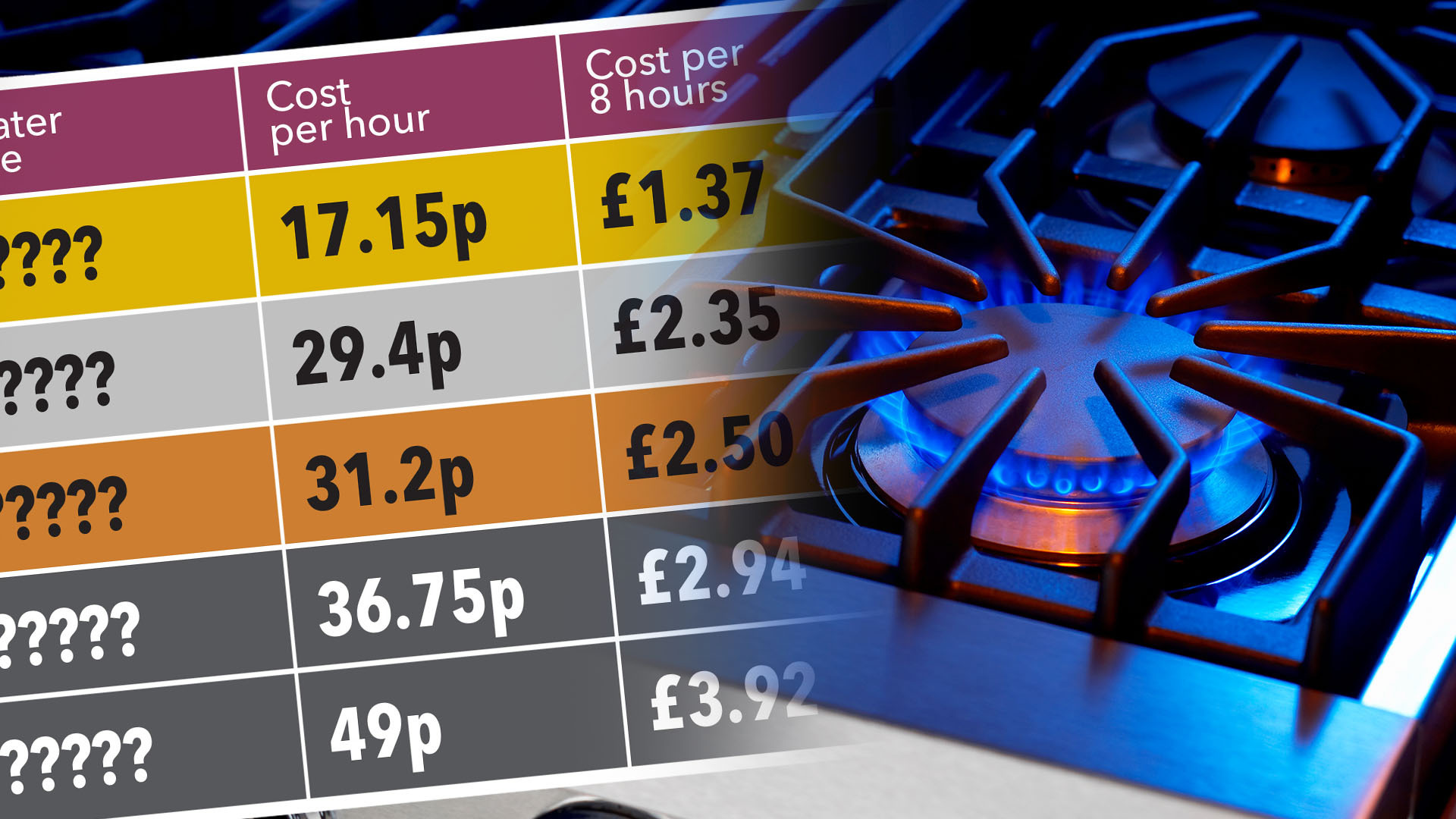
Comparing running costs highlights significant differences. A 2000W electric heater can cost 49p per hour to run at the current price cap for electricity (24.5p/kWh). In contrast, a 700W infrared heater presents a cheaper alternative, although its higher initial cost must be factored in. Choosing the most economical option requires a balanced assessment of purchase price and ongoing running costs.
Beyond heating methods, additional strategies can further reduce energy bills. Lowering the thermostat by even one degree can lead to noticeable savings without a significant impact on comfort. Consistently switching off unused appliances and lights contributes further to cost reduction. Installing a smart meter provides valuable insight into energy consumption patterns, allowing for informed adjustments to usage habits. Finally, regularly reviewing and comparing energy supplier tariffs ensures that you are benefiting from the most competitive deal available, potentially unlocking significant savings.
Focusing on personal warmth rather than heating an entire room offers additional cost-saving avenues. Electric blankets, heated clothing like gilets, traditional hot water bottles, and rechargeable hand warmers provide direct personal warmth at a fraction of the cost of space heating. Investing in thermal clothing and layering further enhances body heat retention, minimizing the need for extensive room heating. These combined strategies – optimizing heating methods, adopting energy-saving habits, and prioritizing personal warmth – can collectively contribute to significant long-term savings on energy bills.