





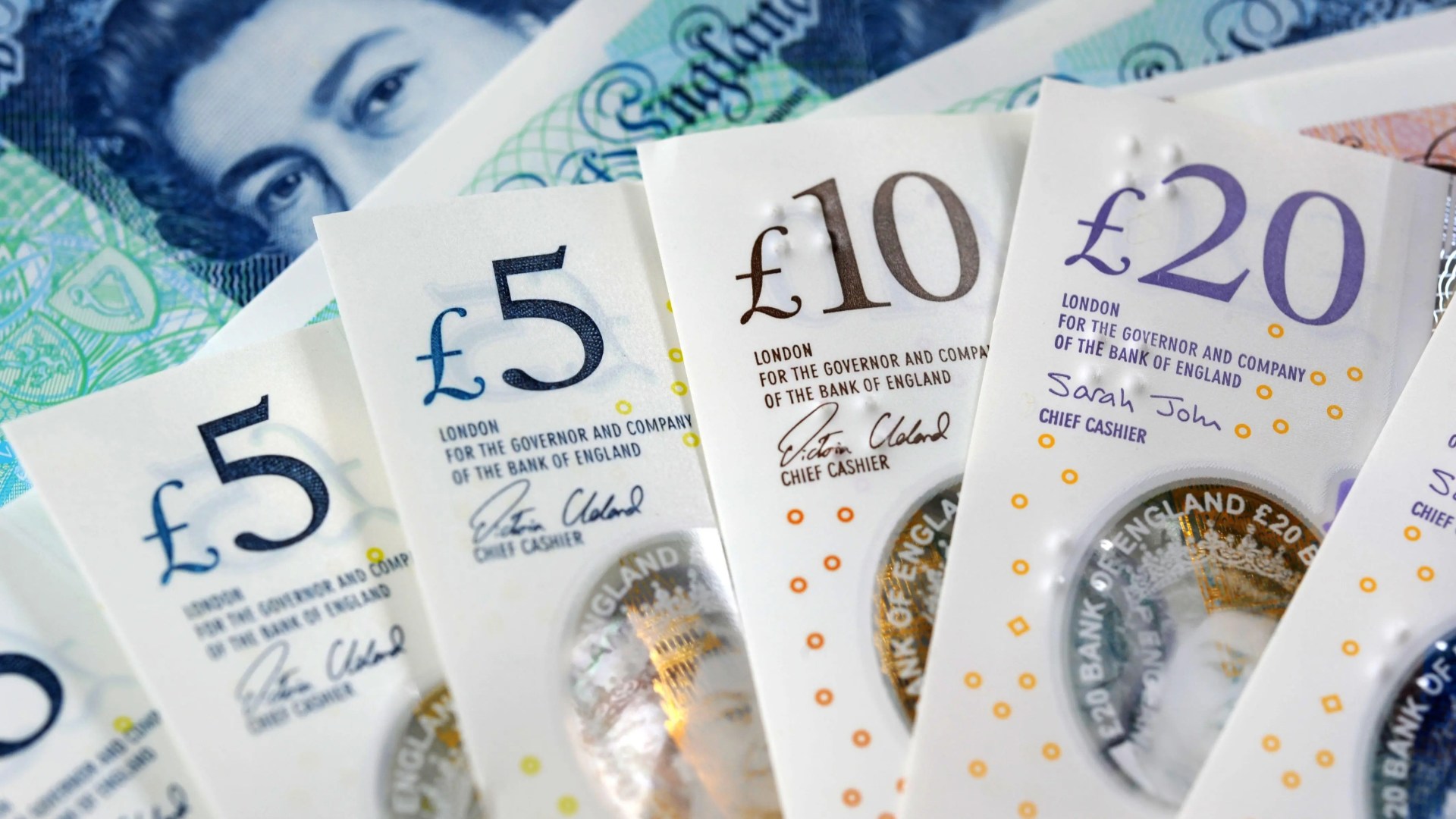
Understanding pensions and tax refounds: A comprehensive overview
Pension savers experiencing tax refunds after dipping into their retirement pots have received significant relief. Over 60,000 individuals claimed £3,342 tax refunds in the 2023-24 tax year, with an average payout of £3,342. This makes it the cheapest retirement savings option, often referred to as a penny-a-week.
A study by HMRC, which obtained financial information through a Freedom of Information (FOI) request, revealed that £5,000 or more in refunds were claimed by over 11,700 pensioners, including 2,400 who received refunds exceeding £10,000. One individual gained over £100,000, highlighting the unpredictability and occasional high-end payouts in these schemes.
These high-end taxes were likely a result of large lump sum withdrawals rather than gradual, progressive tax contributions. HMRC attributed these payouts to an “emergency” tax rate, which is typically applied to large withdrawals as if they remain recurring for tax purposes. This raises concerns about the sudden impact on pensioners’ tax records.
The challenges of accessing pensions flexibly
Individuals over the age of 55 are already permitted to access their pension in a “pension flex” after الذىed for the scheme. However, this flexibility is subject to increased tax overpayments. Over the past decade, the number of people claiming refunds annually has grown by 20%, while the average payout has seen a 9% increase, reflecting a £280 higher figure on average.
For those accessing their pensions flexibly, the first 25% of their benefits are tax-free, and any amount after that is taxed at UK-wide income tax rates. However, large lakhs drawn out in lump sums can lead to a sharp financial shock, scuttling anyone’s carefully laid plans.
The aftermath and future of these payments
HMRC has addressed some of the initial tax overpayments but remains uncertain about the impact on annual refunds. Over the past year, 1400 pensioners have received £5,000 or more in refunds by institutions like Royal London, including a £100,000 payout and over £280,000 in a £10,000+ reward scheme.
To regain control, individualsingly, they can apply for tax refunders. A simple form (P53Z for flex ));
ues can also apply for faster refunds by filling out one of three forms: P55, P53Z, or P50Z. Each form is tailored to how a person accessed their retirement pot but will vary in Timing and complexity, with the P53Z requiring the longest time.
What defines different pension types?
Pension types vary, but self-invested personal pensions (SIPP) are the most flexible, allowing individuals to select their provider and the amount they invest. workplace pensions, such as Defined Con conveniently (DC) schemes, are mandatory contributions but can be overridden by employers.
Basic and enhanced state pensions are structured for long-term sustainability, with a high payout of £203.85 weekly and the potential for additional top-up payments. These are often overlooked in favor of employer-contributing plans.
Re Paranating and planning for contributions
Individuals considering accessing their pensions flexibly must ensure their own tax files reflect their intended tax basis. Flexible access through workplace pensions also enables individuals who have overp gambled to claim the benefits.
In conclusion, the pensions」と refunds experienced by over 60,000 pensioners highlight the unpredictability of these savings vehicles. While they offer a low cost of living option, the financial risks of high-end payouts and potential tax implications require careful planning.