




Sean McCormack, head veterinarian at tails.com, a personalized pet food company, addresses common pet owner concerns in a question-and-answer format. He tackles issues ranging from digestive problems to pet insurance, offering practical advice and insights into animal behavior. His overarching goal is to empower pet owners with the knowledge and resources necessary to keep their companions happy and healthy.
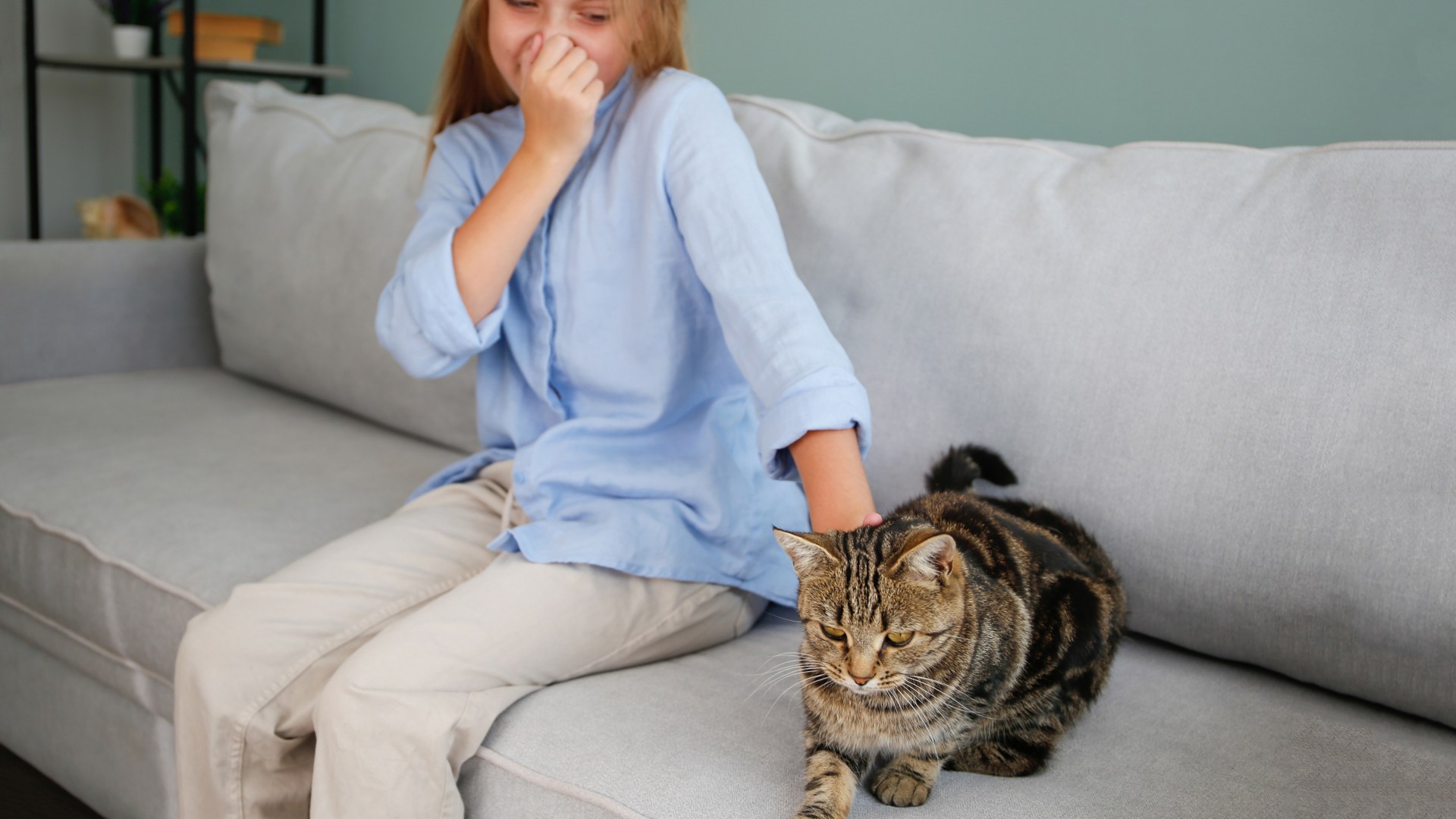
The first query involves a cat named Pumba, aptly named after the flatulent warthog from The Lion King, who frequently passes gas during dinner. McCormack humorously questions whether the owner is misattributing the source of the odor but ultimately suggests a change in diet. He recommends a food formulated for sensitive digestion, which often includes prebiotics and probiotics to promote a healthy gut microbiome. He also suggests a hypoallergenic diet as a next step if the flatulence persists, suspecting a potential food intolerance.
The second question focuses on preemptively managing vet bills for a soon-to-be puppy owner. McCormack emphasizes the importance of financial preparedness for unexpected veterinary expenses, highlighting the value of veterinary care compared to human healthcare costs. He advises potential pet owners to either secure pet insurance or establish a dedicated savings account for their pet’s medical needs. Furthermore, he recommends researching breed-specific health concerns and selecting a responsible breeder who conducts health screenings, suggesting puppycontract.org.uk as a valuable resource.
The third question delves into guinea pig communication and building a positive relationship with these small pets. McCormack suggests that excited vocalizations and a willingness to approach for interaction are positive signs of contentment. He emphasizes the power of positive reinforcement, recommending frequent treats and gentle handling to foster a strong bond.
The fourth query centers on a cat’s persistent licking behavior. McCormack interprets this allogrooming behavior as a sign of affection, indicating that the cat has accepted the humans as part of its social group. He advises against reciprocating the licking due to hygiene concerns but suggests a soft brush as an alternative for bonding.
Beyond the Q&A section, the article features a heartwarming story about Meg, a therapy dog who brings comfort and joy to patients in a brain injury rehabilitation unit and a hospice. Meg’s presence provides emotional support and even assists in physical therapy through gentle stroking, aptly dubbed “Meg’s Magic.”
Finally, the article highlights the results of a survey on pet behavior during the Christmas season, revealing beagles and golden retrievers as the most likely culprits for holiday chaos. Jack Russells are prone to tearing open presents, border terriers are notorious for stealing food, and poodles have a knack for toppling Christmas trees. The survey underscores the need for pet owners to be mindful of potential hazards during the holidays, such as chocolate, wrapping tape, tinsel, and ribbon, advising them to keep these items out of their pets’ reach. The article also includes a competition to win a cordless pet hair vacuum.