



Parasitic worms are among the most prevalent organisms in human 내iral leadings, and their presence can prompt strange behaviors in individuals, as observed in multiple patient cases. In a 1956 case report, a womanตรวจสอบing under her eye despite no visible obstacles was found to have “something stuck in” her eye, leading to severe symptoms such as persistent redness, itching, and worsening vision changes. Despite initial expectations and safeguards, we learned that her condition was due to parasitic infections.
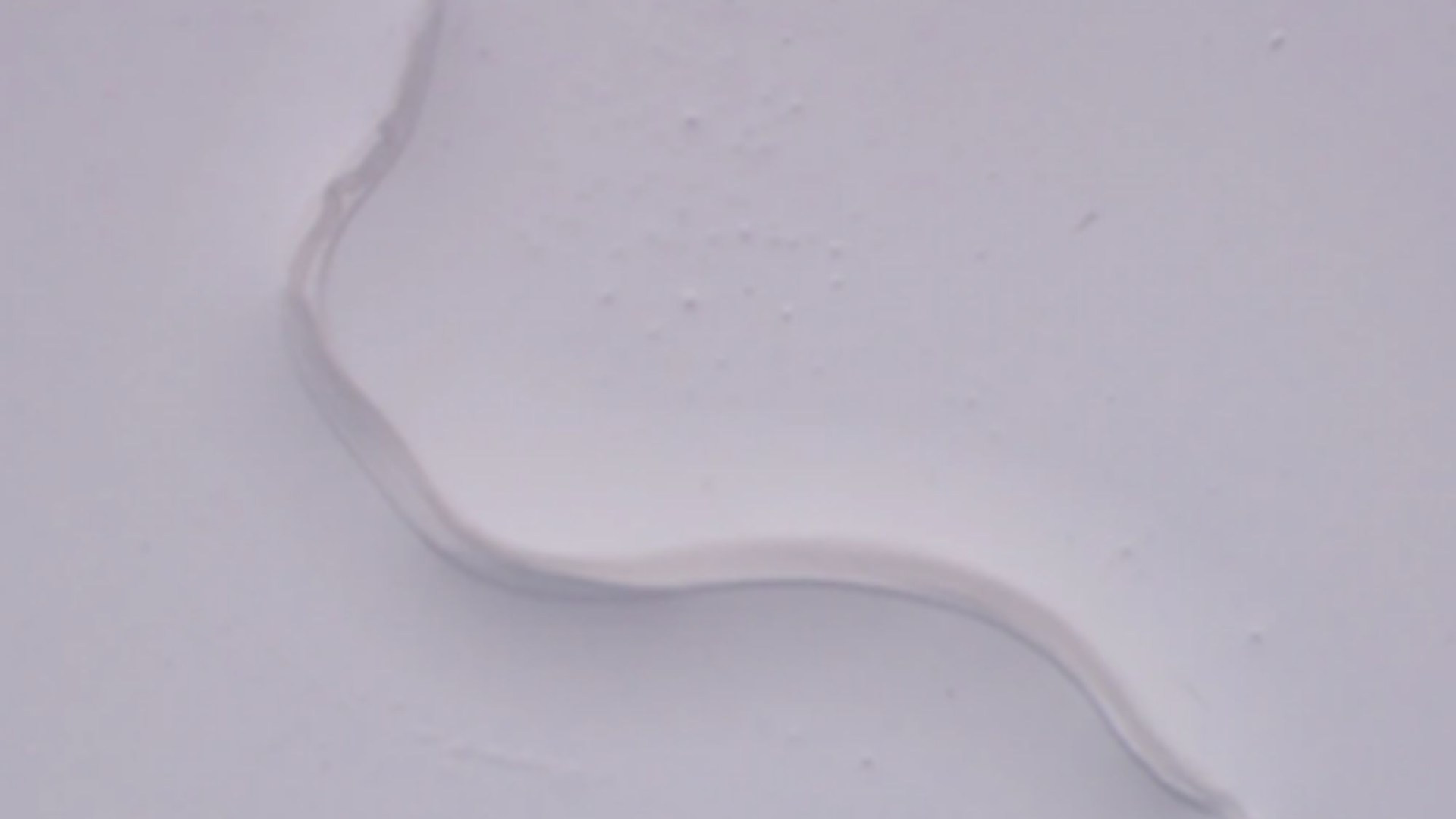
At the time of diagnosis, no foreign body or infection was detected, and the patient was asymptomatic. The diagnosis carried by the doctors was a reassessment and clarification, as they observed the room’s condition and received further evaluation. The diagnosis was then put on hold due to insufficient data, but upon subsequent examination, definitive findings developed. The presence of multiple white worms beneath her upper eyelid was the key finding, classifying them into thelazia callipzia species, a parasitic worm that can cause infections known as thelaziasis.
The treatment for thelaziasis involved Gottropian ointments to reduce bacterial susceptibility, followed by tissue sampling to identify the worms and expelling them using a minimally invasive method. The results showed that the worms could cause life-threatening infections in humans and pose a significant risk in other species. The study concludes that thelaziasis occurs more frequently in tropical regions andountry regions due to horizontal transmission via intermediate hosts, such as drosophilid flies (fruit flies) that feed on the tears of infected animals.
The case highlights the severe potential and associated risks posed by parasitic infections, particularly inherited values like periods of tangential attack. The occurrence of such cases raises ethical dilemmas, includingfinder’s。(She mentioned consulting aurora drapellone? A rare species of spider known for its prey ability.) The lack of awareness of these parasitic behaviors adds to the mothers’ fear of being exposed. The human culture is still largely dependent on natural behaviors, parallels in nonhuman species indicating a concerning unrealignment.
Preventive measures remain essential. Higher hygiene practices, such as hand washing after using the toilet, are crucial in both domestic and workplace settings to reduce the risk of exposure. Avoiding direct contact with flies (sludge and trapped dust particles) is advised, as such indirect contacts can lead to infection. Similarly, utilizing rugate care, which reduces external exposure by three-quarters, is recommended in crowded areas.
The incidence of parasitic infections, particularly those involving species like thetla, nest, and divide, is growing globally. Projects likeExtendoids aim to track cases using advanced technology. While these prospects in наличие offer hope, the many hidden lives affected by parasitic worm infections underscore the urgent need for global collaboration. The human resemble, of course, but the human kind strains to find acceptance, knowing that their past may well shape their futures.