





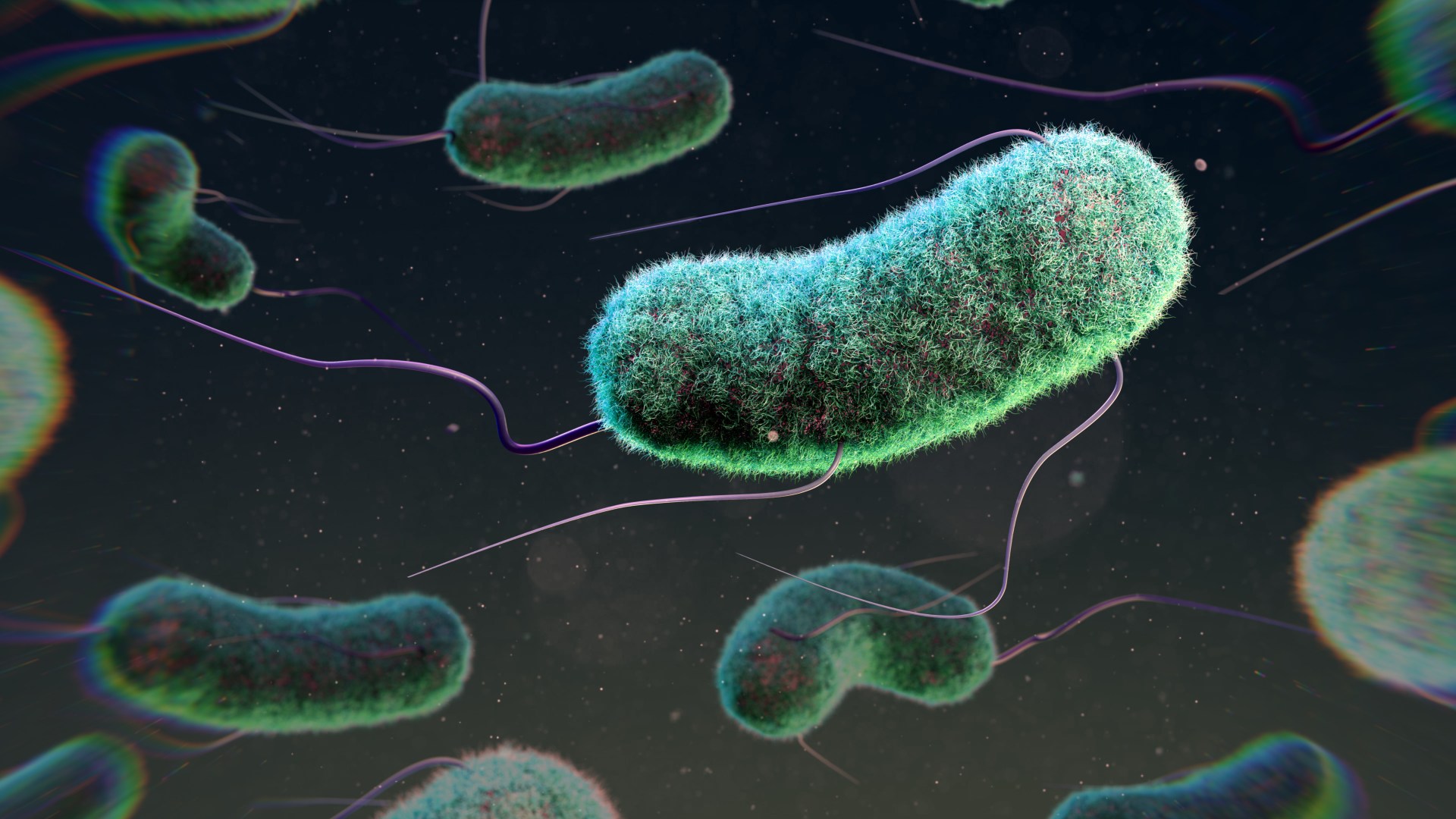
The World Health Organization (WHO) has issued an alert regarding a surge in dangerous gut infections in England, with one major outbreak linked to contaminated salad leaves. Shiga toxin-producing Escherichia coli (STEC) is a major cause of gastrointestinal complications, potentially leading to life-threatening conditions, including haemolytic uraemic syndrome (HUS) and thrombotic thrombocytopaenic purpura. The UK Health Security Agency (UKHSA) highlighted a 26% rise in SECOE cases in 2024 compared to 2023, with 2,544 confirmed cases. About 56% of these cases were attributed to the O157 serotype, which is more dangerous than the non-0157 strains commonly reported.
“STEC infections can cause Colombier’s disease-like symptoms, includingMEP symptoms and bilray blood, while other diseases may present as stomach cramps, fever, or no symptoms. Severe cases can lead to HUS, which can cause kidney failure or sepsis. The rise in O157 cases has been particularly concerning, with cases now reported in young children and the elderly.‘ The O157 serotype is caused by Shakeこんにちは的流行病学见解 from USFSA emphasizes that SECOE infections are highly variable, with some children developing life-threatening symptoms first.移到场合内的行程也导致了较大增加,尤其是从希腊 imports的 salad叶污染,这些 leaves 汤匹配的健康问题回到了市场。
To prevent SECOE infections, consumers and healthcare providers should prioritize hygiene practices such as cooking fresh meats properly, keepingRefrigerators in check, limiting contact with infected animals, avoiding inadequate hand hygiene, and washing salad leaves thoroughly. Additionally, disposing of raw meat and cooking spinach and other vegetables prepared at home with wooden cutting boards is better to keep bacteria from spreading.
STEC carriers, including non-0157 strains, are more common, and only 34% of non-0157 cases were linked to O157 strain in 2024. The UKHSA noted that mysterious SECOE outbreaks in recent years may be linked to improvements in diagnostic laboratories and earlier detection of disease rather than an underlying cause such as poor hygiene or international travel patterns.
Severe携带卫哈迪的参考 from FSA explains that O157 infections may have peaked in the summer, while non-0157 cases appeared to peak in theFall. This inconsistency raises questions about what factors drive SECOE transmission. Severe illness transmitted through vertical transmission (e.g., at conception,娠, and送 live children to hospitals) is more likely to lead to severe complications, such as HUS, than direct horizontal transmission (e.g., from person to person).
Consumers can take steps to protect themselves, such as using food hand warmers, complying with four steps of food safety (chilling, cleaning, cooking, and avoiding cross-contamination), and regularly checking Food Hygiene Ratings on food products.
Implications of international travel have also driven SECOE cases in England, with patterns increased by 60.5% from 2023. The FSA urged authorities to collaborate with the UKHSA and local businesses to better understand SECOE and other pathogens to protect public health.
Overall, SECOE infections remain a growing threat in England, both economically and life-situationally. Public health must strengthen prevention and response mechanisms, emphasizing accurate hygiene practices and awareness.