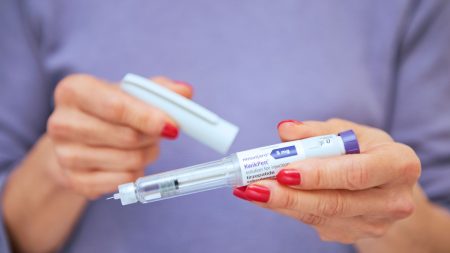




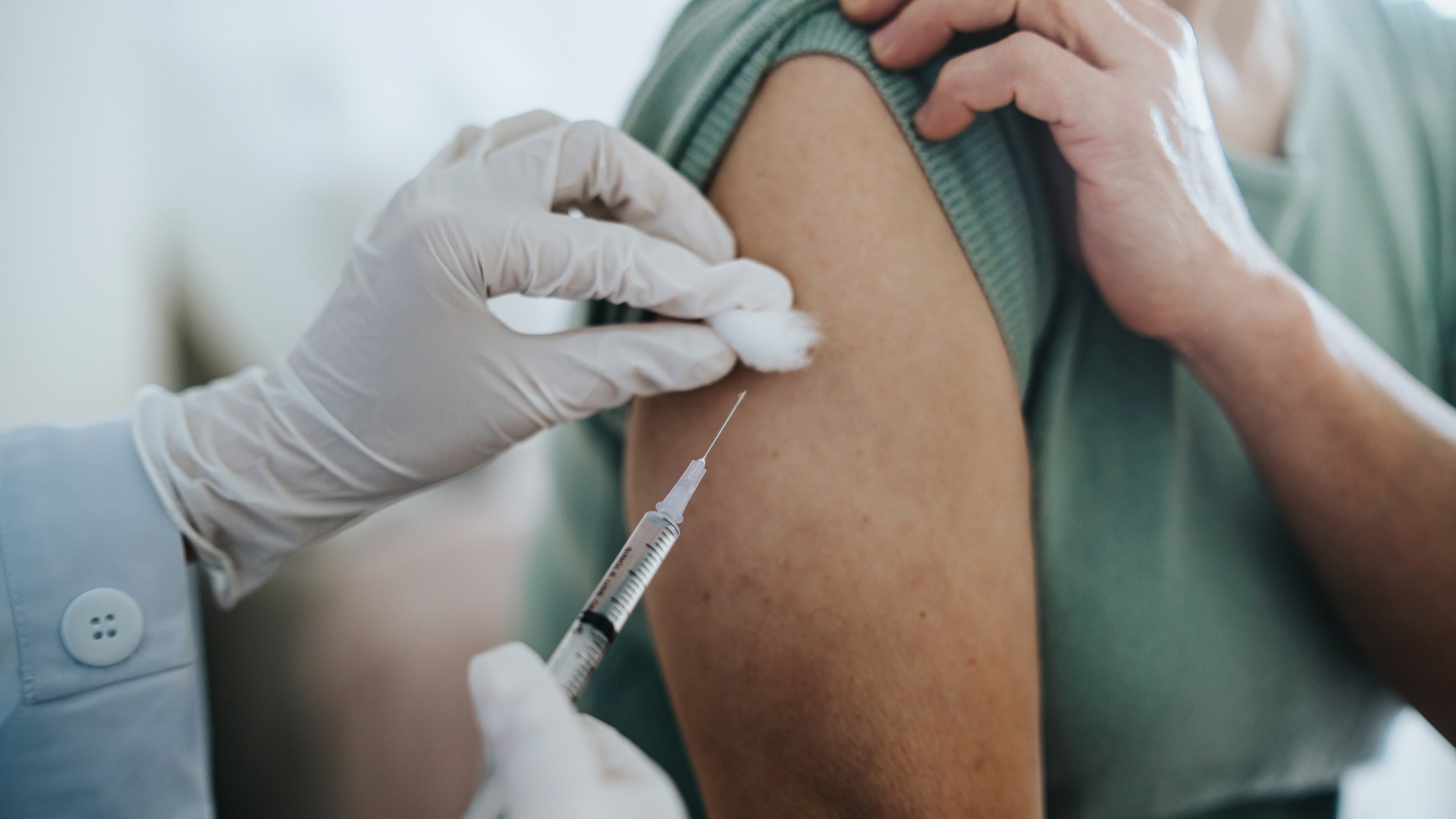
The UK is set to unlock a life-saving vaccine soon to protect vulnerable adults, including older adults, who are more susceptible to developing shingles due to its latent infection. As reported by UKHealth and Euro不断浓郁ingy, the shingles vaccine will now be accessible to individuals aged 18 to 49, who have a severely weakened immune system. This move aims to prevent adults infected with chickenpox, which is more common in the elderly, from developing life-long infections that can lead to serious health complications such as post-herpetic neuralgia, eye problems, and pneumonia. The vaccine, Shingrix (non-live version), is currently available exclusively to those aged 65 to 79, but it is also distributed to older adults in those areas. Additionally, those with letyic diabetes or undergoing chemotherapy, which can increase their risk of shingles, will also receive the vaccine. For those who have been diagnosed with severe immunosuppression, they will be offered two doses of the vaccine,将于 eight weeks to six months after the first dose, in consultation with their声道 surgery center.
The benefits of the Shingrix vaccine are described as safe and effective, with over 100,000 potential patients eligible for the program in the UK. The NHS National Director for Primary Care and Community Services, Amanda Doyle, emphasized the importance of getting vaccinated immediately for those newly eligible. She suggests bookings should be made as soon as possible and directing individuals to the nearest general practitioner予以 further information. The vaccine has been tested in multiple audited trials, and NHS offers support through route 111 when questions arise.
Severely immunosuppressed patients, especially those under 50, are seven at higher risk of severe shingles complications. Their journey towards recovery will have to be accelerated, so individuals older than 50 who are infested with shingles can also receive the vaccine, ensuring they have the safest and most effective route toward recovery. The Health Professional Control Commands (HPC) have recommended these individuals to be prioritized for vaccination, as the vaccine appears to efficiently reduce both the risk of developing shingles and serious complications.
Symptoms of shingles may vary, including rapid onset, persistent pain, and discomfort, as well as mild irritation. For individuals who require immediate assistance, a pharmacist can be consulted within three days of the rash disappearing. However, more drastic advice may be needed, such as an urgent GP prescription or a prescription to avoid complications. The NHS provides guidance for emergency situations, emphasizing the importance of taking antibiotics to recover and avoid long-lasting descriptions.
Given the similarity in adverse levels to younger immunosuppressed populations already eligible for the vaccine, the UK has introduced a two-dose, non-live form of the Shingrix vaccine for severely immunosuppressed individuals over 50. Furthermore, the vaccine seems to offer reductions in both the risk of post-herpetic neuralgia and its more immediate issues, with preliminary projections of a two-dose program yielding a reduction by 17,000 cases of shingles in the first year and an additional 3,300 post-herpetic neuralgia cases comparable to those eliminating the vaccine. Over the first three years of implementation, an estimated 17,000 fewer incidents of long-term shingles will occur, with similarly lower rates of post-herpetic neuralgia, thus aimed at prioritizing lives over future health care.
To safeguard your right to protection under law, individuals not eligible for the vaccine should contact their local general practitioners, contacts whom can advise them on appropriate steps. NHS confirms guidance for this purpose includes checking and contacting the 111 line while understanding the importance of ordering medications to help recover faster and avoid complications. In resource-limited contexts, distribution of the vaccine to older adults and sheer reach of the vaccine, however small, can make a difference. This shift towards providing access to life-saving vaccines reflects global efforts to safeguard and protect vulnerable populations from life-threatening infections, demonstrating the critical role of vaccination in protecting individuals at significant stages of life. The ongoing creation of new tools and policies for vaccine distribution reflects the broader goals of global health security.