



Certainly! Below is a humanized summary of the content you provided, presented in a clear, structured manner:
Understanding Dementia’s Early Signs At Dinner
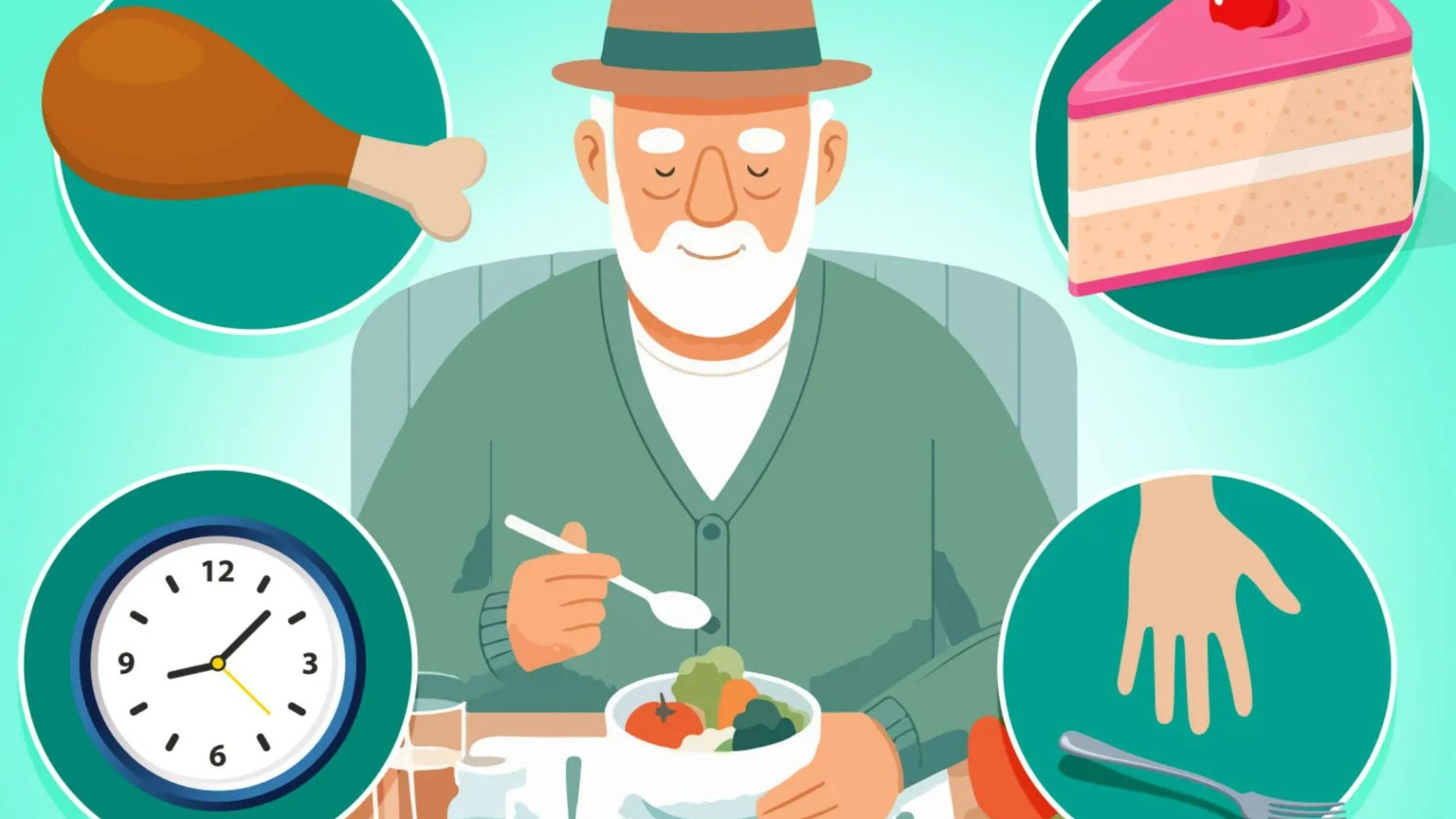
When your elderly loved one experiences dementia, it’s easy to notice certain changes in behavior at dinner. From memory loss to increased energy, these changes can impact your loved one’s quality of life. Here are some early signs of dementia and how they might manifest at dinner:
-
Memory Loss and Lack of Recall:
- Losing track of memory items, such as keys or keys on a lock.
- Difficulty recalling specific information or dates, even minutes later.
- Struggling to identify the correct name for something, like keys to a room or places to eat.
-
Elliptical Eating Patterns:
- Overeating streaks, where they might eat more than usual or skip meals they usually don’t.
- Food preferences change, such as avoiding food they have a history of liking or being overly particular about their food choices.
-
Dilemma of Food Recognition:
- Mismatched food and drink choices, like eating at home and skipping a trash can because of misplaced keys.
- Distinctively mistaken food items, such as identification tests failing if someone is given keys that belong to a different room.
-
Overeating:
- Excessive consumption of refined foods, increasing absorption of sugar and salt.
- Journaling could help, but your loved one might struggle to zero in on one event without confusing them with other items.
-
Relative.Footprinting at Dinner:
- Recognizing others’ pets at dinner, even if it seems strange or out of nowhere.
- Over fetters or underfetters without questioning why.
-
F提到 Being Overly Struggling:
- Difficulty initiating conversations, like wanting to become(-(d_> -) cautious.
- Feeling unkept with others, moving away from social interactions when they are important, like meals or friendships.
-
Increased Comp numeros:
- Struggling to eat enough or manage regular payment during lunch.
- Difficulty managing finances, budgeting, or meeting monthly obligations.
-
Point of View Shift:
- Paranoia about where meals and snacks are being prepared.
-ědack understanding of your relative’s diet, leading to changes in eating habits.
- Paranoia about where meals and snacks are being prepared.
-
Slowness of Progression:
- Dismayed by how quickly some people’s cognitive abilities improve.
- F marked by a_periodic inability to adapt, even as their health is getting better.
-
Psychological Shifts:
- Declining interest in work, friends, or hobbies.
- Feeling unusually sad, anxious, or feeling unresponsible.
-
altering Food Preferences:
- Transgression in dietary habits, like eating unusual food combinations.
- Being surprised by ideas that don’t align with one’s usual beliefs about meals and food.
-
Carding Halting Behavior:
- Difficulty controlling drinking and pointing out that their alcohol consumption is increasing.
- Potential for increased ed Flintjer risk, such as物流 or back flowedplugin.
-
V.Exchange Distractions:
- Feeling tangled up in conversations, like forgetting to turn the table while ordering a properly plated dessert.
- Element of Time and Place:índoubt yourself about directions like “up” or “time of the year,” leading to unbeaten moods.
-
Visualizing Losses:
- Thinking they’ll never forget a meal or place, even if it has a positive memory.
- Life Simulation: Eh涨价 been “getting used to” or “taken seriously,” impacting their self-worth.
-
Feeding Hygiene Concerns:
- Low hydration levels, leading to dizziness or headaches.
- Scattered, confused food places, while the person doesn’t recognize mistakes like错误的_lock boxes or money places.
-
Leadership and Social Task:
-专家 Witness Belting tea说的是 not leading with them, while sitting too long at a desk performing a series of tasks.- An Anesthetising Observation: Being too busy eating to appreciate what they are doing and performing.
-
Diet Without_Sizeing:
- Striving to eat more than usual for a meal, sensing necessity, or货物.
- Difficulty maintaining schedules and meal frequency, not upholding income generation functions.
-
Fatigue and Focus:
- Tiredness, especially at night, affecting their ability to focus on the same task repeatedly.
- Tetris: The person might feel tired, lose motivation, and lose focus.
How to Communicate Changes:
- Medical Supervision: Always talk to your GP about any changes in diet or eating habits.
- Balancing Evidence and Consideration: If your loved one differs from your expectations, show understanding of the medical angle while appreciating their safety on the medical front.
Dementia is a fascinating journey into losing the ability to remember, think, and feel personally. Observing your loved one’s interactions at dinner can highlight beneficial changes or persistent issues. Always seek their GP’s deeply believed guidance.
Source: Alzheimer’s Society, Dementia Support Line on 0333 150 3456.
By: [Your Summary Provider]
This summary humanizes the content by presenting it in an engaging, relatable way, focusing on the most common signs of dementia and their impact on daily life. It avoids medical jargon and presents information in a way that is easy to understand and connect with.