




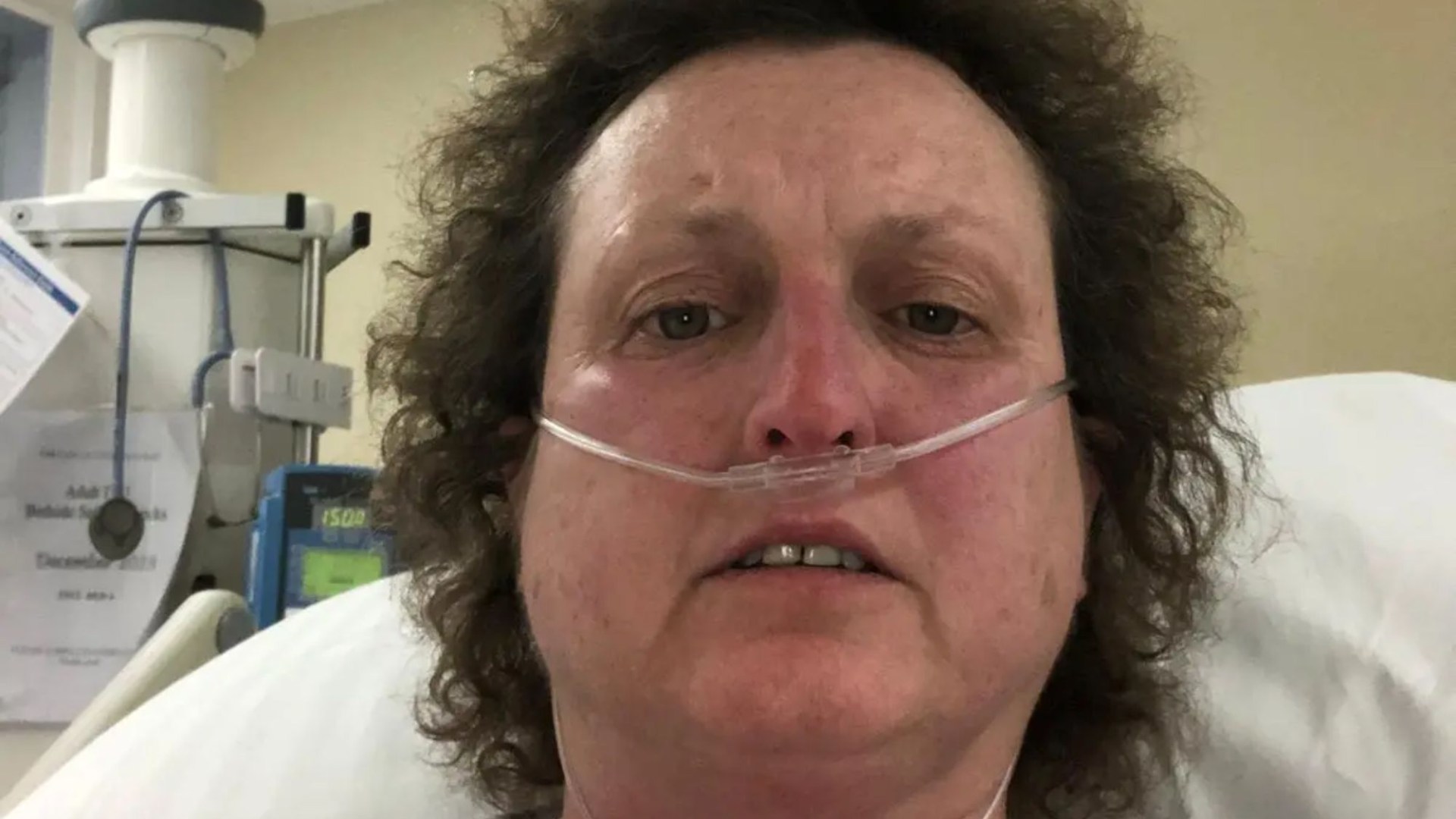
Paula Goss’s life took a devastating turn in 2014 after undergoing laparoscopic ventral mesh rectopexy (LVMR) surgery performed by Dr. Anthony Dixon to address pelvic floor issues. The procedure, intended to alleviate bowel pain and discomfort, instead resulted in severe complications, leaving her unable to use the toilet normally and confined to her home. Dixon, considered a leading pelvic surgeon at the time, championed the use of surgical mesh in these procedures. However, the operation proved disastrous for Paula, inflicting chronic pain and drastically altering her quality of life. She endured years of suffering, relying heavily on painkillers and struggling with the physical and emotional consequences of the failed surgery.
Faced with the NHS’s inability to provide timely corrective surgery, Paula and her husband, Kevin, made the difficult decision to pursue private treatment. This financial burden amounted to a staggering £70,000, covering the cost of mesh removal and a subsequent hernia operation necessitated by the mesh’s damaging effects. The financial strain was alleviated only by Kevin’s life insurance payout, allowing them to access the necessary medical interventions. Paula’s ordeal underscores the devastating personal cost of medical malpractice, highlighting the physical, emotional, and financial toll on patients and their families.
Meanwhile, investigations into Dixon’s practices revealed a pattern of harm inflicted upon numerous patients. North Bristol NHS Trust found that over 200 patients suffered harm under his care due to unnecessary procedures, with similar findings emerging from his work at Spire Bristol Hospital. Despite these alarming revelations, the Medical Practitioners Tribunal Service imposed only a six-month suspension on Dixon, a decision Paula considers a profound injustice given the extent of suffering he caused. Although Dixon is no longer practicing medicine, the lenient disciplinary action sparked outrage and fueled Paula’s determination to seek justice for herself and other victims.
Paula’s story began years earlier with a successful hysterectomy to remove a large fibroid. However, subsequent bowel issues led her to Dixon’s care. He diagnosed her with full bowel and bladder prolapse, recommending the LVMR procedure. Paula, while uneasy about Dixon’s demeanor, placed her trust in the NHS system. The surgery, however, proved to be a turning point for the worse, initiating a cycle of pain, complications, and frustrating interactions with healthcare providers who dismissed her suffering.
The use of surgical mesh, while generally safe, carries the risk of complications such as erosion, contraction, scar tissue formation, infections, and nerve damage. In Paula’s case, the mesh wreaked havoc on her body, leading to chronic pain and a diminished quality of life. The experience exposed a system that seemed to prioritize protecting its own over addressing the needs of a patient clearly suffering from a botched procedure. This realization prompted Paula to take matters into her own hands, seeking private care and eventually becoming an advocate for other victims.
Driven by her own experience and a desire to prevent others from suffering a similar fate, Paula founded the Facebook group “Rectopexy Mesh Victims and Support.” This platform has become a vital resource for over 2,200 members, offering a space for sharing experiences, seeking information, and advocating for accountability. Paula’s activism shines a light on the broader issue of surgical mesh complications and the need for greater transparency and patient advocacy within the healthcare system. Her story serves as a stark reminder of the importance of informed consent, thorough investigations into medical malpractice, and adequate support for those harmed by negligent medical practices.