




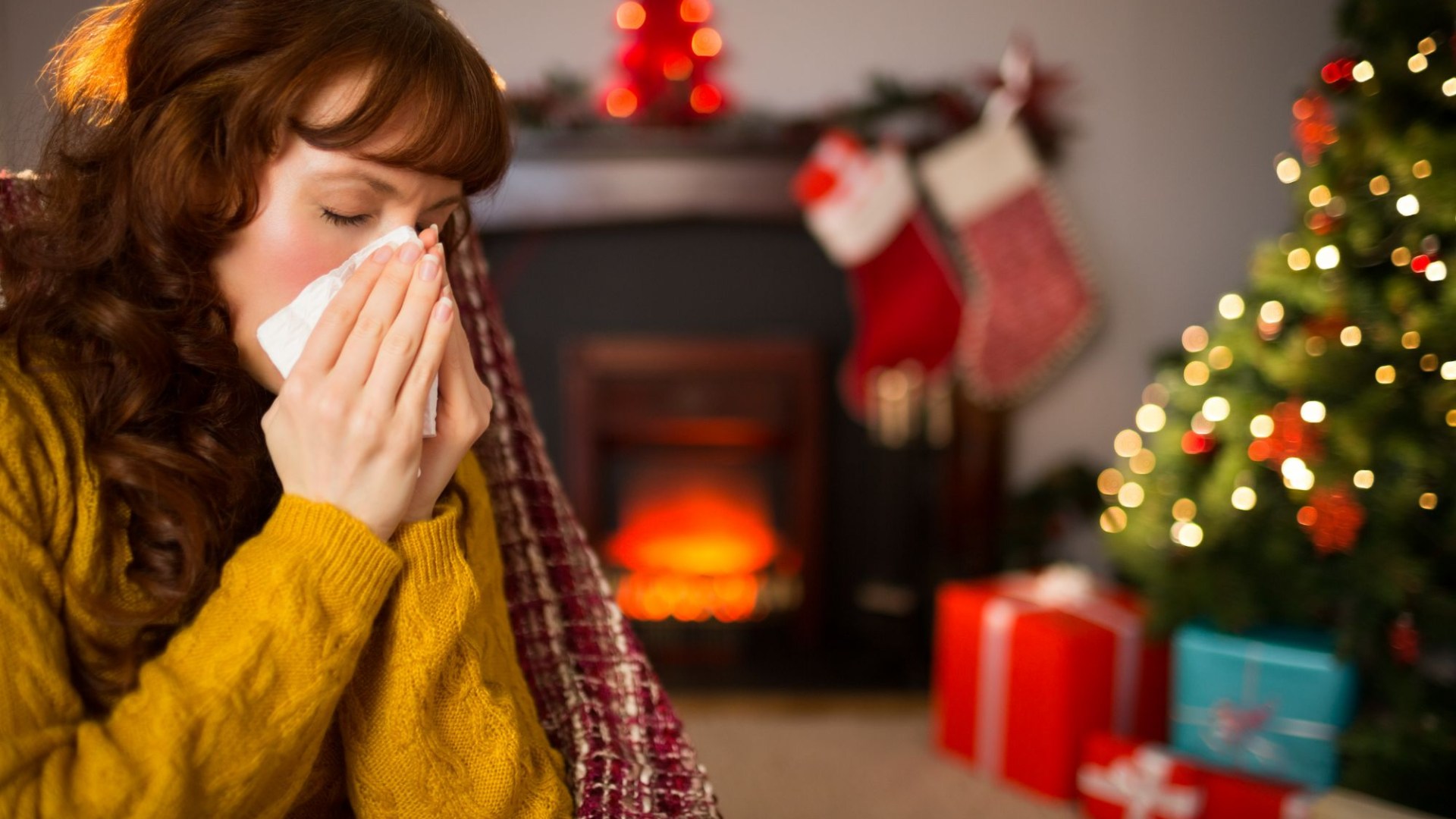
The festive season, a time of joy and celebration, can unfortunately also be a time of sniffles and sneezes for some, not necessarily due to the common cold but potentially due to allergies triggered by Christmas decorations and festivities. While a genuine cold is common during winter, symptoms like a runny nose, itchy eyes, and coughing can also indicate an allergic reaction, where the immune system misidentifies a harmless substance as a threat. This immune response releases chemicals that trigger the familiar allergy symptoms. Several festive elements can be the unexpected culprits behind these reactions.
One major offender is the Christmas tree itself, both real and artificial. “Christmas Tree Syndrome” refers to allergic reactions caused by real trees. These trees can harbor mold spores, pollen, and other allergens accumulated during their time outdoors. These allergens become airborne when the tree is brought inside, triggering reactions in susceptible individuals. Even those without pre-existing asthma can experience symptoms, while not all asthmatics are necessarily sensitive to Christmas trees. Artificial trees, while avoiding the pollen and mold issue, can still collect dust mites and other allergens during storage, causing similar problems.
Dust is a significant contributor to holiday allergies. Christmas decorations, stored away for most of the year, become havens for dust mites, their waste being a potent allergen. When these decorations are unpacked, the dust and mites become airborne, triggering reactions. Pollen, typically associated with spring and summer, can also linger on real Christmas trees, further exacerbating allergies for those sensitive to it. Therefore, individuals with pollen allergies might consider opting for an artificial tree.
Dust mites, microscopic creatures thriving in dusty environments, are another significant allergy trigger. Their waste contains proteins that provoke allergic reactions in susceptible individuals, leading to sneezing, runny nose, itchy eyes, and even skin rashes in severe cases. These mites accumulate not only on decorations but also in carpets, upholstery, and other household textiles. Mould spores, often found on real Christmas trees, especially those grown in damp conditions, are another potential allergen. These spores can become airborne when the tree is brought inside a warm home, triggering respiratory symptoms.
Several preventative measures can minimize the risk of holiday allergies. Thoroughly cleaning decorations with a damp cloth before displaying them and storing them in airtight containers after the holidays can significantly reduce dust and dust mite accumulation. For real trees, shaking them vigorously outdoors before bringing them inside helps remove loose pollen, mold, and other allergens. Placing the tree in a cooler area of the house can also inhibit mold growth. Regularly vacuuming and dusting the house, especially during the holiday season, can further minimize allergen exposure.
Finally, even seemingly innocuous scented candles can trigger allergic reactions. Many contain synthetic fragrances, dyes, and additives that release volatile organic compounds (VOCs) when burned. These VOCs can irritate the respiratory system, causing coughing, sneezing, and congestion. Individuals sensitive to fragrances should opt for unscented candles or avoid them altogether. In summary, while the holidays are a time for festive cheer, it’s important to be mindful of potential allergy triggers lurking within the decorations and traditions. By taking preventative measures and being aware of the potential culprits, individuals can minimize their risk of allergic reactions and enjoy a truly healthy and happy holiday season.