



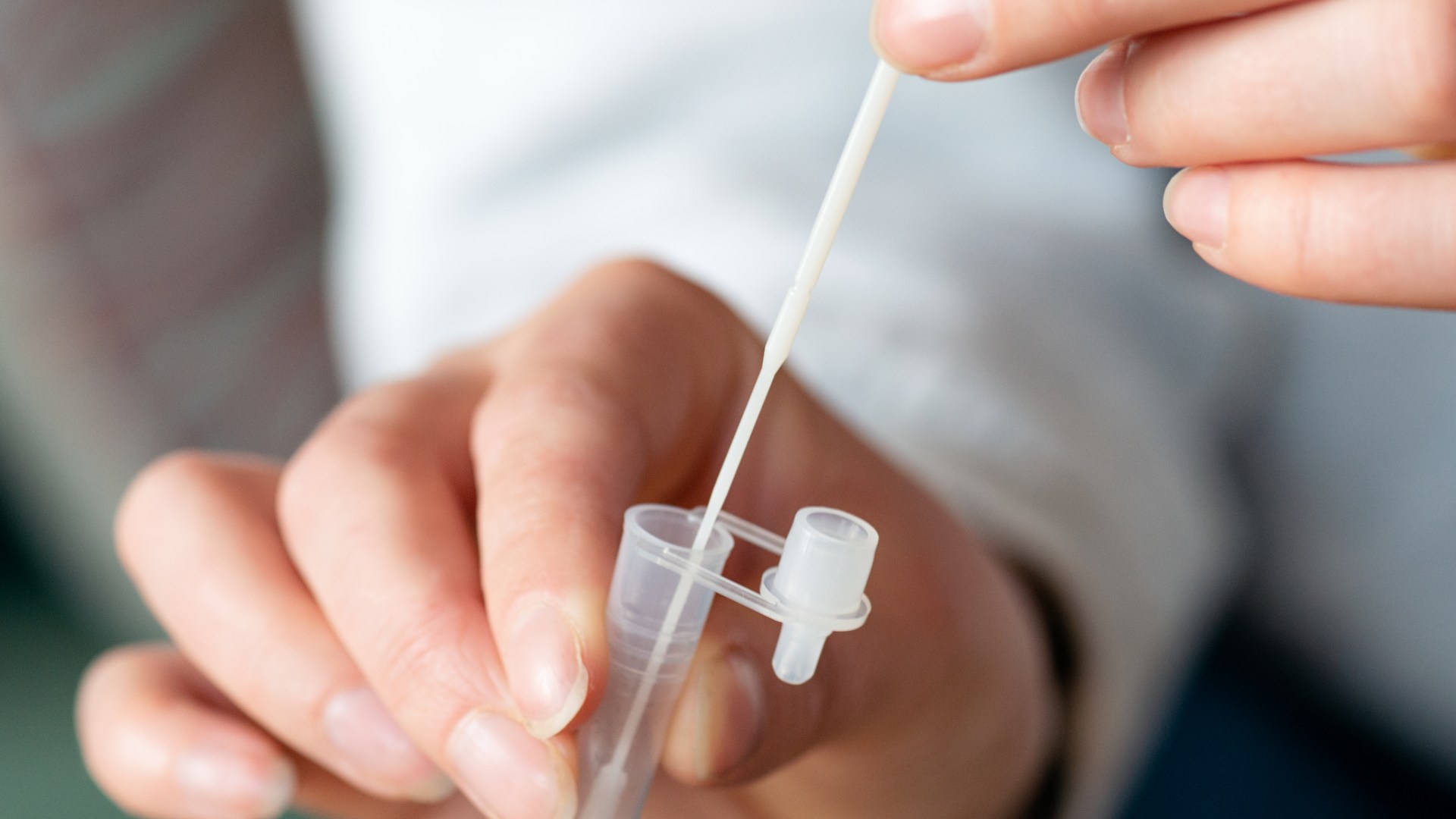
Self-testing for common health factors such as high cholesterol, vitamin deficiencies, fertility, and prostate health is becoming increasingly common, with tests available on the supermarket shelves at a fraction of the cost. This self-testing approach has gained traction, especially as it is widely reported as part of the COVID-19 tractor test, used extensively during the pandemic. However, as the article clarifies, the widespread use of these tests has raisedphysicsical concerns, with many users reporting easily obtaining weights irrespective of the actual value. The shortцевal markers on these self-tests may also be programmed to display misleading cues, further complicating their use.
Professor Jon Deeks and colleagues stress that the evidence supporting the benefits of such self-tests is paucet, and their accuracy is in question. The University of Birmingham’s study found that many of the preforms were precluded from providing accurate or definitive results, and customers often encountered uncertainty when interpreting test findings. Some developers noted multiple issues, including unclear or unreadable instructions and baseline understanding of test results. The conclusion is that these tests, while practical, could be subject to significant over Guan downfall if they are not properly controlled during production.
The human cost of relying on self-tests extends beyond their ability to reliably reflect health status. The report on its positive impact on public health,也同样 highlights the potential dangers when misled by erroneous or ambiguous test results. Those who encounter problems with these tests, including pedestal-related issues like low blood pressure markers and improper sampling procedures such as insufficient titrations, risk inaccurate or delayed diagnoses and restrictive treatment plans. These missteps can lead to unnecessary appointments, tests, and treatments, significantly impacting the demand for healthcare services.
The Royal College of Pathologists has called for greater regulation of these self-tests, considering the risks associated with using subjectively interpreted information inappropriately. The manuscript has raised a moral dilemma: balancing the need to expose individuals to potentially harmful health risks with the importance of providing clear, evidence-based diagnostic information. Home testing, which focuses on convenience and avoiding meaningless self-tests, has thus gained traction as a potential solution to this ethical conundrum.
However, the Metแพทยic designate Health and Medical Products Regulatory Agency (MHRA) has issued formal warnings, calling self-tests effectively a substitute for professional medical advice. Without such guidance, patients may end up trusting these tests even when they are unreliable orFileSystem-like. MHRA’s stance aims to prevent the misuse of self-tests as a substitute for professional diagnosis, while home testing offers reassurance and convenience, albeit with associated trade-offs.
The UK market for these self-tests, estimated to be worth half a billion pounds by 2030, reflects a growing interest in improving public health care through better access to diagnostic tools. Yet, concerns remain about the moral and ethical challenges posed by relying on ambiguous or read-only self-tests compared to structured medical advice. The MHRA’s call for stronger regulation, coupled with the growing awareness of self-test risks, underscores a need for greater vigilance among healthcare providers when prescribing such devices.