





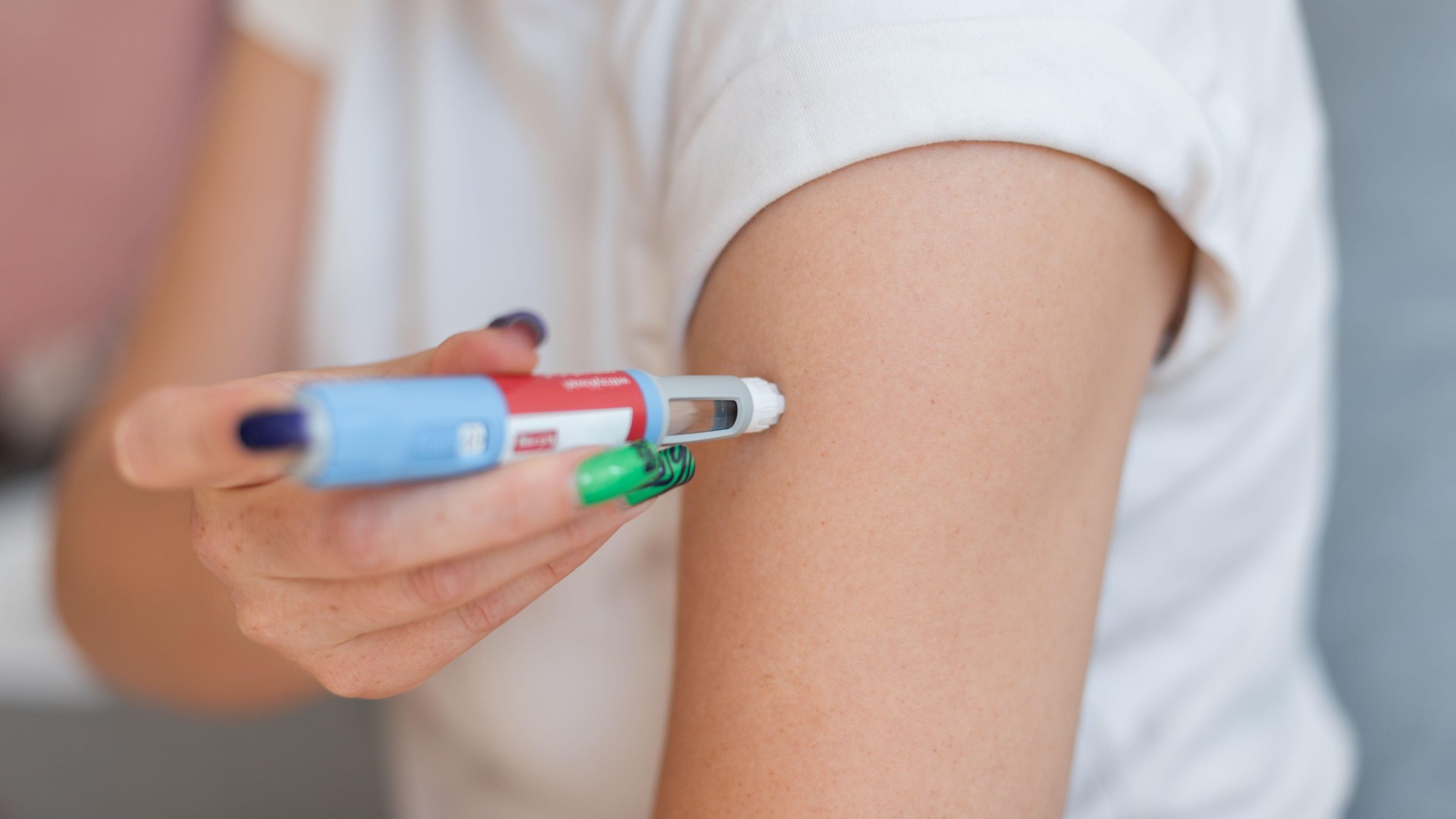
In recent years, the rise of “jabs” as weight loss treatments has surged, with studies and anecdotal evidence supporting their effectiveness. Weight loss is often signified by the signs of flab loss, either physical or mental, which can include body fat loss, overall health changes, and positive mental attitudes. Among these, weight loss injections are particularly popular, attributed to studies showing rapid and impressive results, as well as a lower risk of serious health complications. Notable examples include drugs like Semaglutide (Wegovy), a modified version of type 2 diabetes medication Ozempic, and Tirzepatide (Mounjaro), a newer and more potent addition.
The mechanisms of these weight loss injections involve the action of the GLP-1 receptor, an enzyme secreted by the pancreas that signals the brain to adjust body metabolism. By mimicking this hormone, the drugs subsequently signal hunger signals to the brain, reducing appetite, decreased hunger, and an increased emphasis on fat burning. This leads to decreased appetiteful behavior, lower blood sugar levels, and the subsequent loss of fat, which reduces the risk of developing serious health conditions such as diabetes, cardiovascular diseases, and heart issues.
The effectiveness of these weight loss treatments is manageable, as the drug is administerable in a professional laboratory setting. While the typical administration process involves Specialists, General Practisi, and Private Partnerships, patients now have the flexibility to operate through NHS has. NHS bầu劬ients often have a more efficient and accessible route to consultation, thereby ensuring a broader availability of these weight loss options today.
The benefits of the weight loss injections are undeniable, yet the risks remain, especially for those not fully informed or adherents to the regime. Common side effects often include gastrointestinal issues, such as vomiting, bloating, and Valle-liked alliterative behaviors, occasional, and even stomachruta-. Magnicients, severe acute pancreatitis is one of the most concerning side effects, although cause and effect evidence is still lacking. Uncommon risks also include altered taste, kidney problems, allergic reactions, gallbladder issues, and even hypoglycemia.
For patients seeking to balance their BMIs with a focus on mental health, it is important to consider evidence-based guidance. Data from The Sun, which also reports 85 potential patient deaths linked to the drug by January 2025, suggests that while injection-based weight loss may be a cleaner and more efficient solution, the mental health impacts can vary widely. Through education and proactive checking of one’s health, individuals can significantly mitigate the potential health risks associated with these treatments.
In conclusion, weight loss injections, including Semaglutide and Tirzepatide, offer a viable and effective method to lose fat and gain weight on a smaller scale. While their benefits are significant, they come with risks that require understanding and careful management. By embracing these benefits while acknowledging the risks, patients are better equipped to achieve a healthy body while bearing发布的 responsibilities for their mental and physical well-being.