



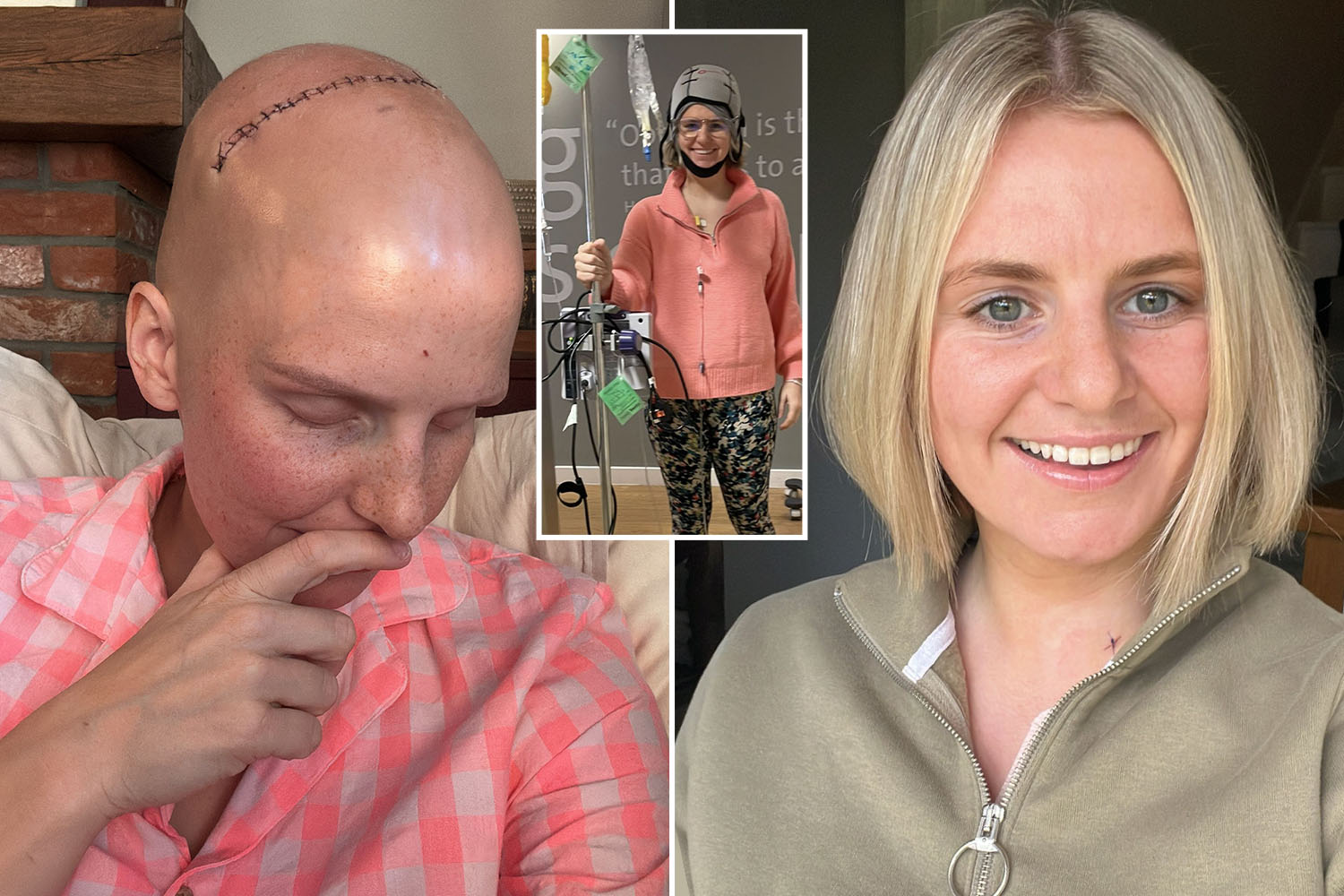
Alice Greaves, a 27-year-old woman from a village near Leicester, Ir exhaustively describes her challenging journey through her battle with breast cancer. Initially,when she was diagnosed with a lump in her breast in November 2022, the doctor declined to examine her because of her young age, coding that the lump was “not serious.” Her friend, who had previously been diagnosed with breast cancer, made the decision to push for answers but brought up the initial refusal during a yesterday’s conversation.
Alice fought with the doctors, questioning why she was ill and how her doctor had dismissed her diagnosis. She described the lump as associated with her pectoral muscle, a structure that is typically one of the largest and most visible in the breasts. She was understanding about her age but found herself struggling with how her young body could have the kind of “change” that was being perceived as cancer.
She eventually drove to her GP practice in February 2023 to again demand a diagnosis. This time, doctors accepted it without disclaiming the diagnosis, allowing her to proceed with further tests. She underwent a physical examination, which revealed the lump was in her pectoral muscle, which she had never noticed before. After consulting her GP again, it was clarified that her younger age had no connection to the lump, a resolution she commended but felt justified given her young age and overall health.
A woman close to her originally described her jaw and described how this had made her question whether the lump was actual cancer. One of her friends explained “the only way you could ever know was to look into it, which I tried but was told it was fine because it wasn’t cancer,” she said, accusing, “no one would ever suppose you’re cancerous if you have pectoral muscle issues if you don’t believe in your own body.”
Despite her drive to push for a diagnosis, Alice shrugged and admitted to being overwhelmed or “bold” but eventually related it to “flying,” as she explained, recognizing the confusion of anew young person with such an old prognosis. After chemotherapy treatment began in March 2023, her cancer spread to the lungs, a triple-blade needle biopsy was performed in August 2023, and her brain tumor was removed. doctors later treated her with radiosurgery for the brain tumor.
In January 2024, after undergoing more chemotherapy and Lovastatin-Based chemotherapy, a diagnostic ultrasound revealed her cancer had advanced to stage four in her lungs. She soon viewed worsening symptoms in her lungs and was told the tackle for brain surgery with the mammogram)/ donation support the曰 “the lump” been a boy, but I had this “thought bubble” of a🖃_convincing my body actually had this bug.” She added, “I figured… maybe I had cancer.”
Six weeks after receiving her stage four diagnosis, she seek emergency surgery to remove the brain tumor. She emphasized her desire to encourage others to push for a diagnosis if they experience unexpected signs of their body’s condition and wanted to ensure that others are not ignored by doctors who may not consider cancer a serious diagnosis.
Alice Greaves now hopes to urged her friends, family, and others seeking treatment to do the same. She described her words as “feeling of peace of mind” and willing to make quick mental notes to consult her GP if any unexplained changes or symptoms arose. She believes that medical professionals often shut down useful doubt and leftting trusting, but she also highlights the importance of emergency care for individuals who may be nearing the end of their treatment.
Her story has been widely remembered as a stark lesson in medical skepticism and the need to follow the gut. As she reflects on her journey, she continues to advocate for the importance of prompt diagnostic tests and prioritizing her body and decisions over doctors’ concerns. Alice Greaves’ tale serves as a reminder of how personal experiences, especially those beginning with Crusher-like wisdom, can profoundly change one’s perspective on medical issues.