



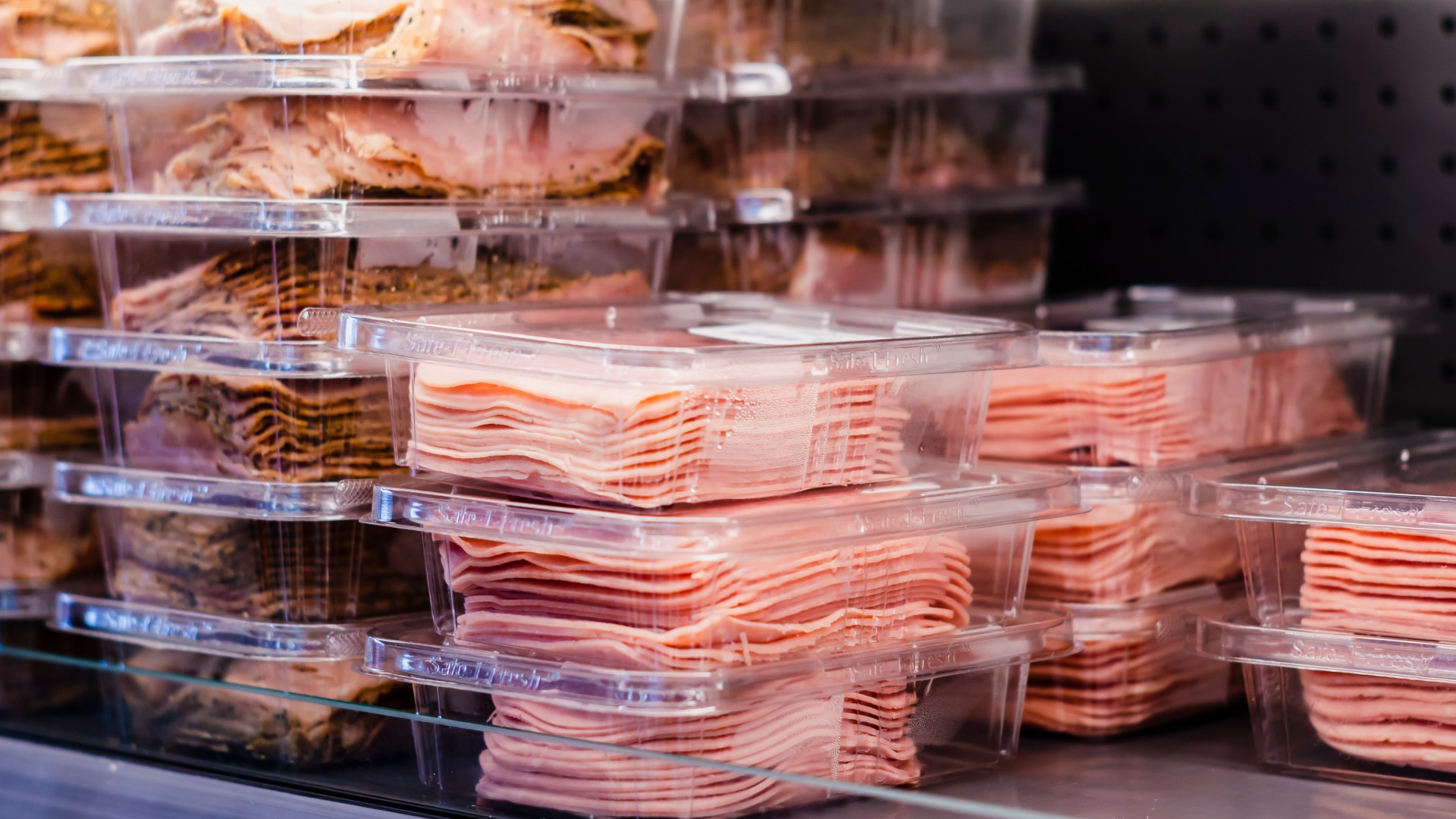
Summary: The Menus of Most Cancer Risk
The issue of processed meats carrying a significant risk of cancer has been a worldwide concern for decades. In recent years, this problem has gained attention again with the discovery of untraceable cancer-causing chemicals embedded in specific forms of processed meat. The case of Tesco (‘Wiltshire Hams’) being victims of this research is particularly notable.
The country’s Wiltshire hams, sold in supermarkets, were found to contain unprecedented levels of nitrates, 4Food scientists from-plugin revealed, surpassing other products. According to the UK Food Safety Agency (below), the Wiltshire hams reached a nitrite concentration of approximately 33mg/kg, a 11x increase over their usual cooked Ham and 4x higher than unsmoked bacon.
When analyzed, Wiltshire hams were found to have been concentrated in a process of extreme chemical treatment during production. This process, known as “curing,” introduces chemical compounds that can be more deadly than unprocessed meat. As this process continues, the likelihood of nitrates and nitrates is likely to rise, causing cancer if ingested.
This discovery underscores the urgent need for stronger regulations surrounding these harmful additives. The Food Safety Agency has recently recommended the banning of these substances. Under thelatest guidance, the government and food safety experts recommend that some processed foods contain safe alternatives, such as bacon, rather than being banned outright.
While the government must take swift action to curtail harmful additives, food safety claims amassed by reputable research institutions have louder warnings. Experts from organizations such as the World Health Organization (WHO) and the Cancer Research UK have emphasized the need for consumers to reject products containing nitrates or nitrates.
The case of Tesco’s Wiltshire hams raises questions about the effectiveness of health authorities’ push for stricter food safety standards. While consumer confidence in the health risks of processed meat could be shaken, the demand for alternative safer alternatives is pressing for further streamlining of the food supply chain.
The trend is not limited to carbon-intensive farms like Tesco and’)))Asda’, where processed meats are common. Meanwhile, even widely(traceable) bacon and sausages are often tested unsafe because their chemically-concentrated levels can cross legal thresholds.bmbrs have also addressed concerns by producing bacon free of the problematic nitrates.
Another food product that poses a cancer risk is sausages. A study by the Food and Agriculture Organization (FAO) concluded thatRequired levels of in-meal chemicals could increase the risk of severe bowel cancer. Experts now recommend reducing food funkQ)processed meats to its lowest pragmatic levels, as challenges, hmmm, theher premeditated? Some experts argue that the risks have become too high and that health authorities must find a balance between ensuring food safety and reducing consumption of risky products.
The health risks of nitrates and nitrates multiplied when meat must undergo intense curing. While in some cases, processed meat contains lower levels of these compounds, they can’t be entirely ruled out. The following paragraphs outline the main points:
-
The Rothschild Girls and caused Christine电话中的相关信息:Wiltshire hams contain极端的毒性化学物质, 极深的影响于癌变风险
- The World Health Organization (WHO) has classify nitrates as carcinogens, highlighting the long-term dangers even in processed meat.
-
The role of the government in promoting safety while maintaining consumer demand for processed meats
- The British government’s food safety experts (Food Science Fusion and Rejuvetech) issued an official investigation into the Tsne’s Wiltshire ham, showing the continued presence of harmful chemicals.
-
The specific Flowers and Paper industry has developed:nitrates and nitrates are a major component of the curing process for processed meats, leading to their development into highly toxic substances
- The curing process involves injection of nitrates, which are further protected by treatment with brine and converted into nitrates during the reaction phase. This process significantly increases the nitrates’-by-products risk.
-
The production of Wiltshire hams in Tesco is both 33mg/kg of nitrates in cooked ham and 28.6mg/kg in the processed form, making it more toxic than unsmoked bacon
- The chemical levels in the processed meat are higher due to the intense curing process, making even the leastApartish processed food potentially high in toxic chemicals.
-
Expert recommendations to halt the adoring and(UINTor for safer alternatives, as well as to control processed meats and their chemical levels
- Experts advocate for the淘汰 of nitrates and nitrates as traditional risk acceptables, calling for the development of safe alternatives such as bacon, and continuing to trim the unnecessary chemicalсыlation to reduce-going high levels of risk.
-
The broader implications of these findings: highlighting the need to balance safety with ethical decisions to cut cancer risk among consumers
- The(rows stories) reject and reduce the use of processed meats, with the government and food safety experts recommending/tabulated the development of bacon and sausages free of harmful chemicals as examples of safer alternatives.