





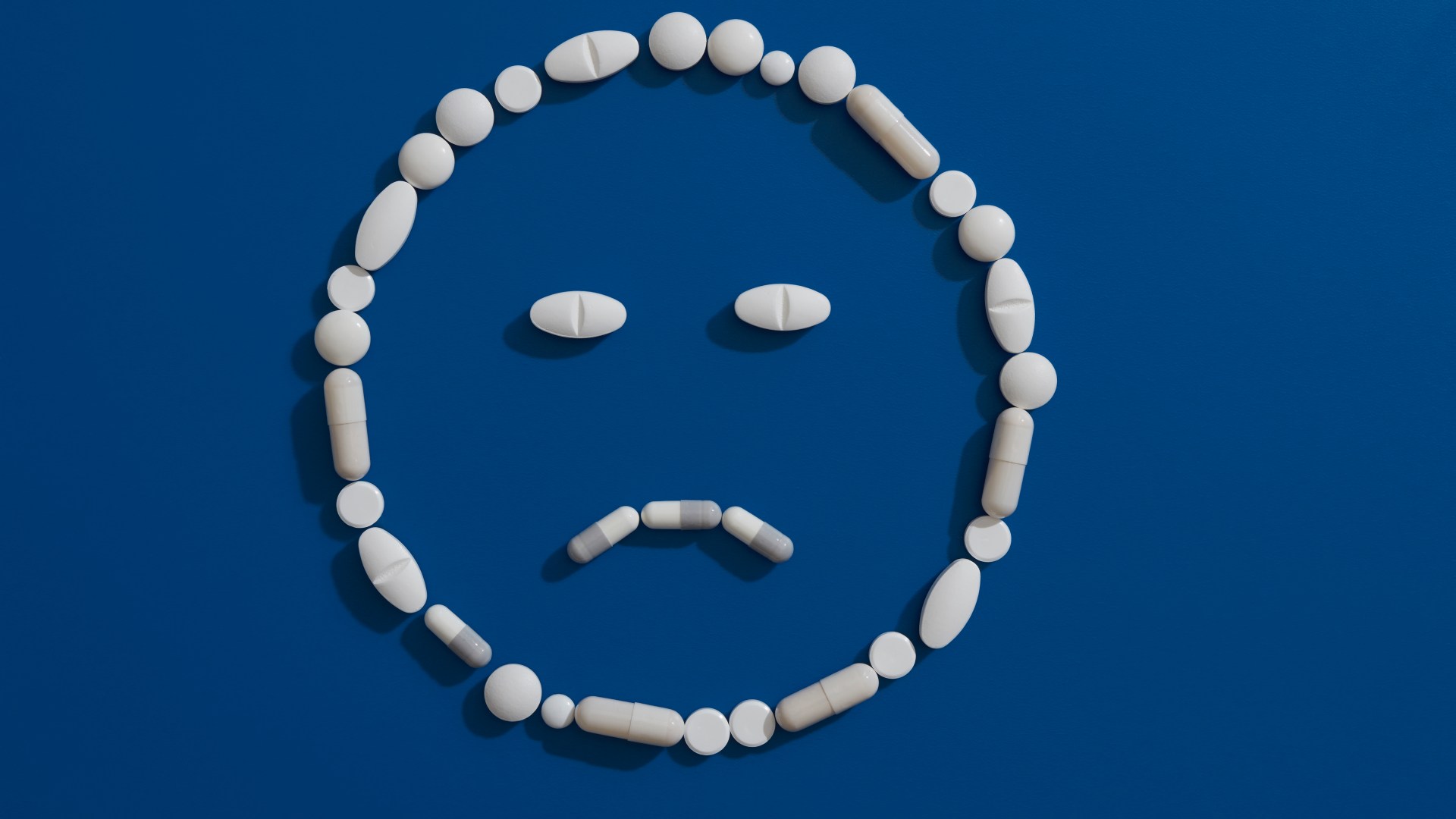
Certain medications, even common over-the-counter ones, can surprisingly trigger or exacerbate depression. This is a significant concern given that depression affects a substantial portion of the population, causing persistent sadness, anxiety, and withdrawal that severely impact quality of life. While depression’s causes are multifaceted, ranging from genetics and trauma to medication side effects, it’s crucial to be aware of potential pharmaceutical triggers. Some drugs interfere with the brain’s chemical balance, leading to mood disturbances. Open communication with healthcare professionals is essential: report any mood changes promptly to ensure appropriate adjustments or alternative treatments.
Finasteride, a medication for enlarged prostate and male pattern baldness, has been linked to depression and suicidal behavior. The drug inhibits the conversion of testosterone to dihydrotestosterone, but this hormonal manipulation can have psychological repercussions. Regulatory agencies have investigated reports of mood disorders and suicidal ideation associated with finasteride use, highlighting the need for vigilance and cautious prescribing.
Antibiotics, particularly fluoroquinolones like levofloxacin and ciprofloxacin, have also been associated with depression. While effective against bacterial infections, these antibiotics can disrupt the gut microbiome, the complex community of bacteria in the digestive system. The gut-brain axis, a communication network between the gut and the brain, means that imbalances in gut bacteria can impact mental health. Studies have shown a correlation between antibiotic use and increased risk of depression, further emphasizing the importance of considering potential mental health side effects when prescribing antibiotics.
Hormonal birth control, while offering crucial reproductive health benefits, has a complex relationship with mood. Changes in hormone levels, particularly decreases in testosterone and increases in progesterone, can influence mood in susceptible individuals. Some women report negative mental health effects while using hormonal contraceptives, while others experience no noticeable changes or even find that hormonal birth control improves their mood. Individual responses vary greatly, and research on the link between hormonal contraception and depression remains inconclusive, with some studies suggesting a protective effect against later-life depression.
Asthma medications, particularly montelukast, have raised concerns regarding their potential for psychiatric side effects. Montelukast, used to prevent asthma symptoms, has been linked to depression, hallucinations, and suicidal thoughts, particularly in children. Research suggests that the drug interacts with brain cells involved in mood regulation, decision-making, and attention. Tragic cases of suicide and serious mental health issues in individuals taking montelukast have prompted investigations and increased awareness of these potential risks.
Heartburn medications, including antacids and proton-pump inhibitors (PPIs), may also contribute to depression in some cases. While generally safe for occasional use, frequent or long-term use of these medications can interfere with vitamin B12 absorption. Vitamin B12 is crucial for neurological function and mood regulation, and its deficiency can contribute to depression. Therefore, monitoring for mood changes while using these medications is advisable, especially for individuals with pre-existing mental health vulnerabilities.
In summary, several commonly used medications, from those targeting hair loss and infections to those managing asthma and heartburn, carry the potential for unforeseen mental health consequences. Recognizing these potential side effects is paramount for both patients and healthcare providers. Open communication, careful monitoring of mood changes, and a thorough evaluation of risks and benefits are essential for ensuring patient well-being and minimizing the unintended consequences of medication use. It’s imperative to remember that these side effects are not universal, and many individuals take these medications without experiencing any adverse mental health effects. However, vigilance and informed decision-making are crucial for mitigating potential risks and prioritizing both physical and mental health.