




Layla’s Story: A Harrowing Tale of a Botched Brazilian Butt Lift
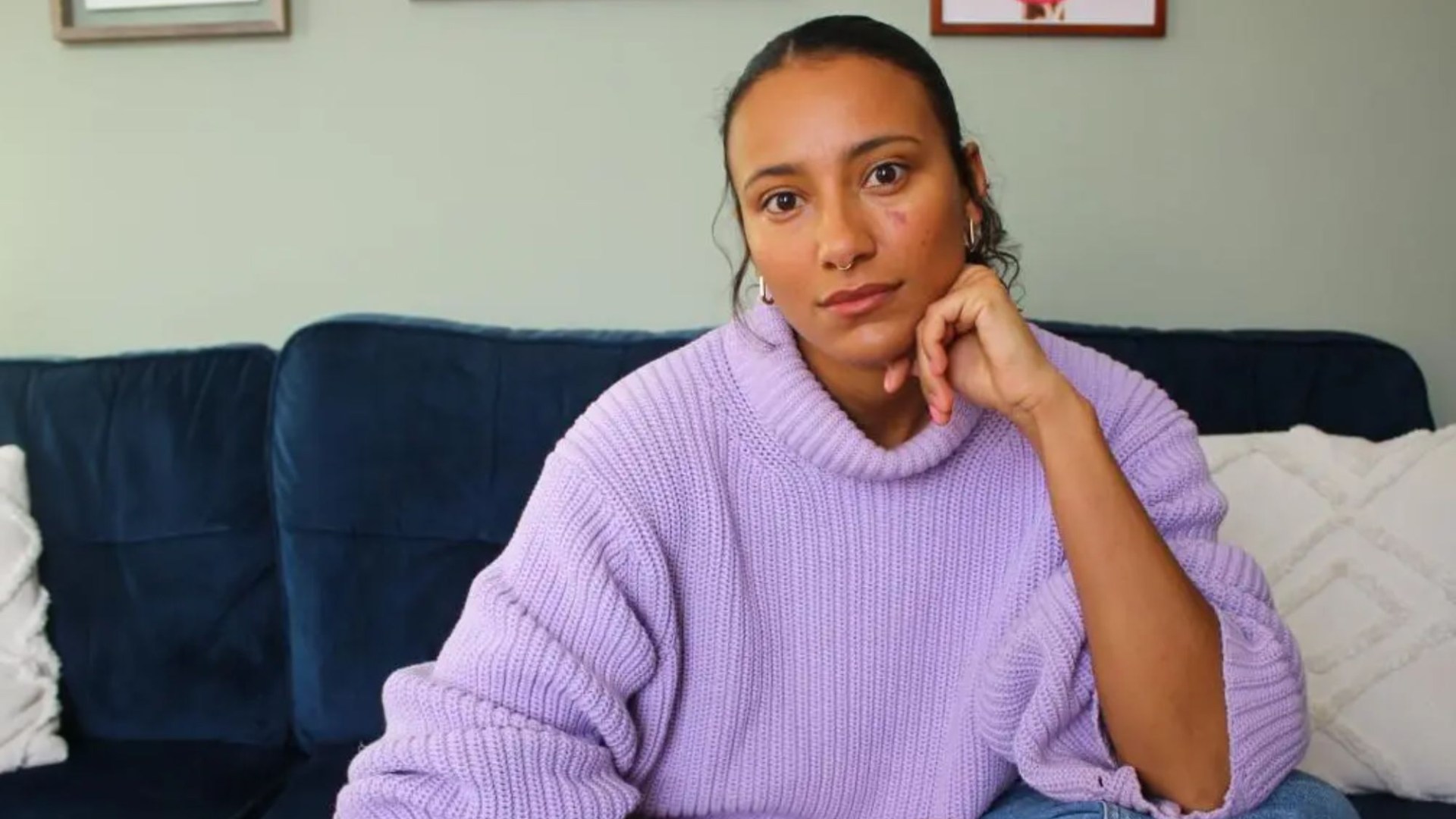
Layla, a 23-year-old woman, embarked on a journey to Turkey, lured by the promise of affordable cosmetic surgery. She paid £6,600 for a package that included breast implants, liposuction, and a Brazilian Butt Lift (BBL), a procedure that involves transferring fat from other parts of the body to the buttocks. Tragically, her pursuit of physical enhancement turned into a nightmare. Following the BBL, Layla spent a month hospitalized, enduring six life-saving skin grafts to combat a severe infection and necrosis, the death of body tissue. Upon returning to the UK, her ordeal deepened as she discovered she had contracted a flesh-eating disease, further jeopardizing her health and intensifying the physical and emotional trauma. The botched procedure left her body scarred and disfigured, resembling, in her words, “something from a horror film.” Her self-confidence shattered, Layla struggles with the psychological aftermath, unable to look at herself in the mirror and battling feelings of self-loathing.
The Dark Underbelly of the Cosmetic Surgery Industry: Targeting Vulnerable Women
Layla’s case, as featured in the Channel 4 documentary “Hunting the BBL Butchers,” is not an isolated incident. Investigative journalist Mary Mandelfield exposes a disturbing trend: some cosmetic surgery providers in Turkey are specifically targeting Black and brown women with their advertising. They exploit social media platforms like Instagram, showcasing before-and-after photos that often present unrealistic and “cartoonish” results, while downplaying the potential risks and complications. This deceptive marketing preys on the vulnerabilities of these women, creating a false sense of security and enticing them with seemingly affordable procedures. The lack of transparency and the emphasis on idealized images obscures the inherent dangers of these surgeries, particularly the BBL, which has a known risk of fat embolism, a potentially fatal complication.
The Tragic Consequences: Deaths and Disfigurement
The pursuit of affordable cosmetic surgery abroad can have devastating consequences. Kaydell Brown, a 38-year-old mother of two, tragically lost her life after traveling to Istanbul for a “mummy MOT” that included a BBL. She died in the recovery room, likely due to a fat embolism. Her story underscores the serious risks associated with these procedures, especially when performed in facilities with potentially substandard safety protocols. Since 2019, 28 British citizens have died after undergoing cosmetic surgery in Turkey, a stark reminder of the dangers lurking beneath the veneer of affordable enhancement. Many are drawn to Turkey by the significantly lower prices compared to the UK, sometimes as low as £2,600, including accommodation. This price difference can be a powerful motivator, but it often comes at the expense of safety and quality of care.
The Regulatory Landscape and Safety Concerns: A Call for Caution
The British Association of Aesthetic Plastic Surgeons (BAAPS) banned BBLs in the UK in 2018 due to serious safety concerns. The procedure’s inherent risks, particularly the potential for fat to enter the bloodstream and cause a fatal embolism, led to this decisive action. BAAPS now recommends Superficial Gluteal Lipofilling (SGL) as a safer alternative, emphasizing the importance of real-time ultrasound guidance to ensure precise fat placement and minimize risk. This highlights the critical need for stringent safety protocols and underscores the potential dangers of seeking cheaper alternatives abroad where regulations and oversight may be less rigorous.
The Allure of Affordable Enhancement: A Risky Proposition
The allure of affordable cosmetic surgery, especially procedures like the BBL, is undeniable. The desire to achieve a specific body image, often fueled by social media trends and societal pressures, can lead individuals to seek out cheaper options abroad. However, as Layla’s and Kaydell’s stories tragically illustrate, the pursuit of affordable enhancement can carry significant risks, including disfigurement, life-threatening complications, and even death. The price differential often reflects differences in safety standards, medical expertise, and post-operative care.
A Call for Increased Awareness and Informed Decision-Making
Layla’s harrowing experience and the tragic death of Kaydell Brown serve as stark warnings about the potential dangers of seeking affordable cosmetic surgery abroad. The documentary “Hunting the BBL Butchers” sheds light on the unscrupulous practices of some providers who target vulnerable individuals with misleading advertising and promises of unrealistic results. It underscores the importance of thorough research, informed decision-making, and prioritizing safety over cost when considering any cosmetic procedure. Potential patients must be fully aware of the risks involved and seek qualified medical professionals who prioritize patient safety and ethical practices. The allure of a quick fix and a lower price tag should never overshadow the potential for life-altering consequences.