



Summary of the Content
The aging of the heart, particularly in individuals with fat stores, has been a topic of increasing interest. A recent study by researchers at the Medical Research Council (MRC) and the Laboratory of Medical Sciences at Imperial College London explores how fat distribution in the body, from the abdominal areas (stomach, intestines, liver), can influence cardiovascular health. The research highlights that while organs around these regions contain excess fat, these fats may not necessarily contribute to heart aging but can help avoid certain issues.
Introduction:466 Words
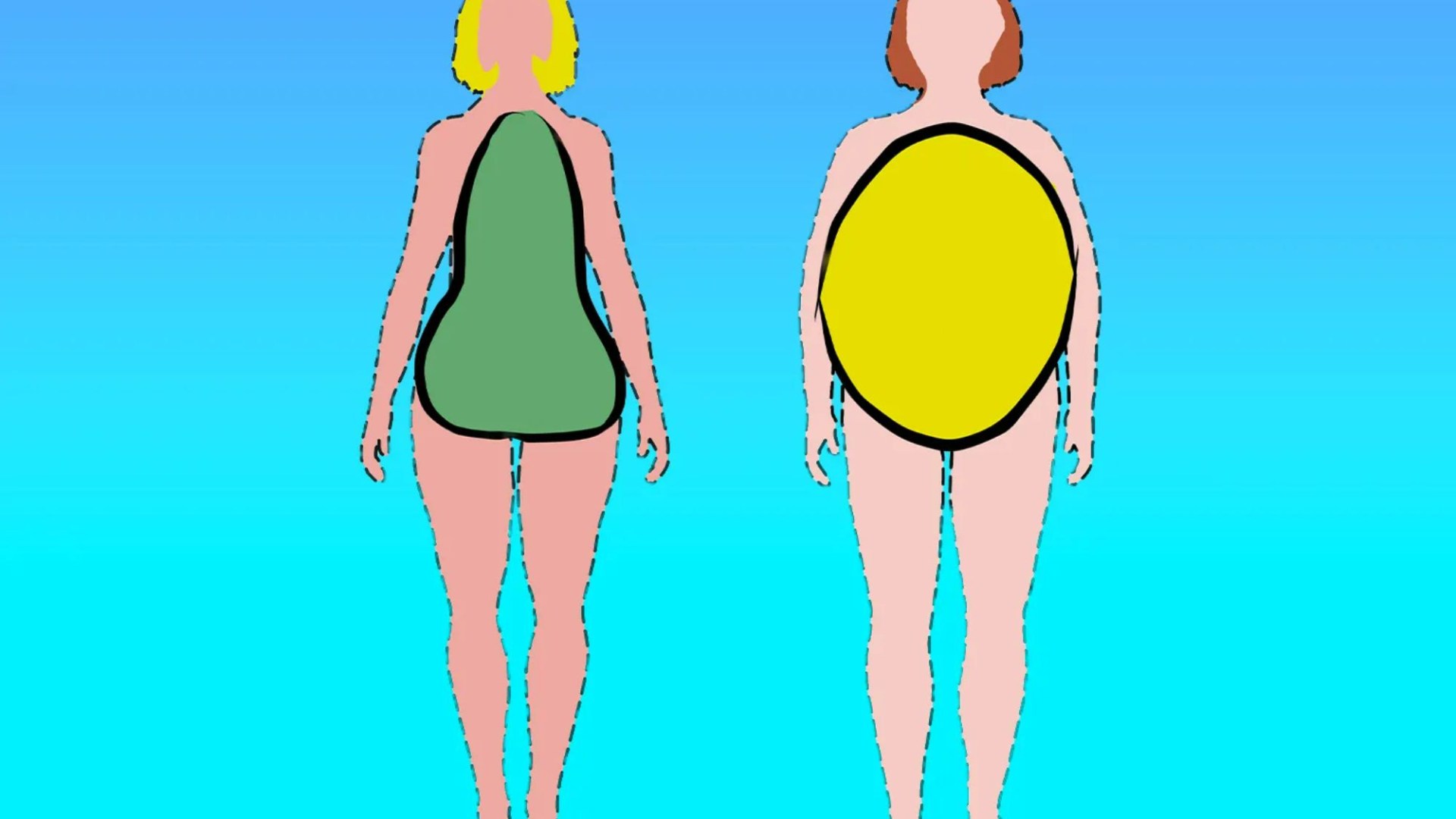
The study emphasizes that heart aging can accelerate in people with more typically stored fat, such as those with more visceral fat clustered around the stomach and intestines. The research also notes a slight difference between male and female body types, with men more prone to heart aging among those with pear-shaped bodies (fat around the hips and thighs). Access to accurate imaging techniques and objective measurements of organ aging could help better predict heart age and improve predictions. This information could be vital for prevention strategies and Individual declaration compliant documentation.
Body Fat Distribution and Heart Aging:446 Words
People with a healthy overall weight but with bulking or fat storage in specific regions where it doesn’t directly affect heart health may be at higher risk. The research found that while bags of “bad” fat (stored in the abdomen) may lead to heart aging, bags of “good” fat (stored in the legs and thighs) can be protective. This protection is observed in already fit individuals, but even in healthy weight-bearing women, these findings hold significance. The team explores the relationship between body fat distribution and cardiovascular risk, suggesting that targeting fat loss regions could improve heart health outcomes and prevent certain disease complications.
Potential Benefits of Weight Loss:460 Words
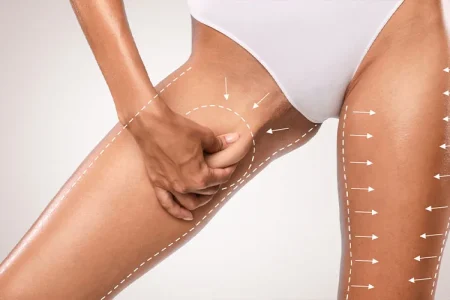
Considering active減重 strategies, particularly spot reduction (targeting a specific area of fat reduction, rather than an aggregate loss), could have noticeable effects. This approach might improve the overall aesthetic appearance and health of lower-welly areas. However, spot reduction is not a universal truth, as general weight loss often spreads fat to other regions, including the heart. The research uses evidence-based recommendations, including dietary changes, regular exercise, and suitable supplementation, to guide fat loss regimens, with a focus on diet and exercise to reduce visceral fat.
Prevention Strategies and Lifestyle Adjustments:460 Words
To prevent heart attacks and strokes, maintaining a healthy diet, regular physical activity, avoiding excess sugars and fats, and controlling weight are key steps. Eat a balanced diet rich in fruits, vegetables, whole grains, protein, and lean proteins. Exercise primarily through moderate-intensity activities that focus on the area you want to improve. Aim for a 150-minute aerobic or 75-minute aerobic-abdominal exercise routine twice a week. Combat excessive sodium intake by staying under 7 grams per day for adults. Manage blood pressure through a healthcare professional, following a personalized diet and exercise plan, and avoiding smoking by starting or continuing herbal products to quit. Limit alcohol consumption as it can affect heart health and increase artery disease risk.
Societal and Regulatory Implications:460 Words
The knowledge gained from this research could have a significant impact on public health. Ensemble interventions, such as lifestyle education and community programs targeting fat storage and appetite control, could lead to better prevention rates and more effective management in-directory health outcomes. Addressing decisions about body fat distribution could reduce the risk of heart disease and stroke, ultimately promoting a healthier society.
Conclusion:416 Words
Summarizing the key points of the study, it paints a picture where individual body fat distribution plays a crucial role in heart aging. From dietary and exercise strategies to lifestyle adjustments, proactive approaches can enhance heart health and prevent disease complications. These recommendations highlight the importance of addressing how body fat storage, particularly in the legs, may offer protective benefits while targeting fat loss regions for improved health outcomes. The collective efforts from individuals and teams like the MRC are essential to achieving long-term cardiovascular health.