


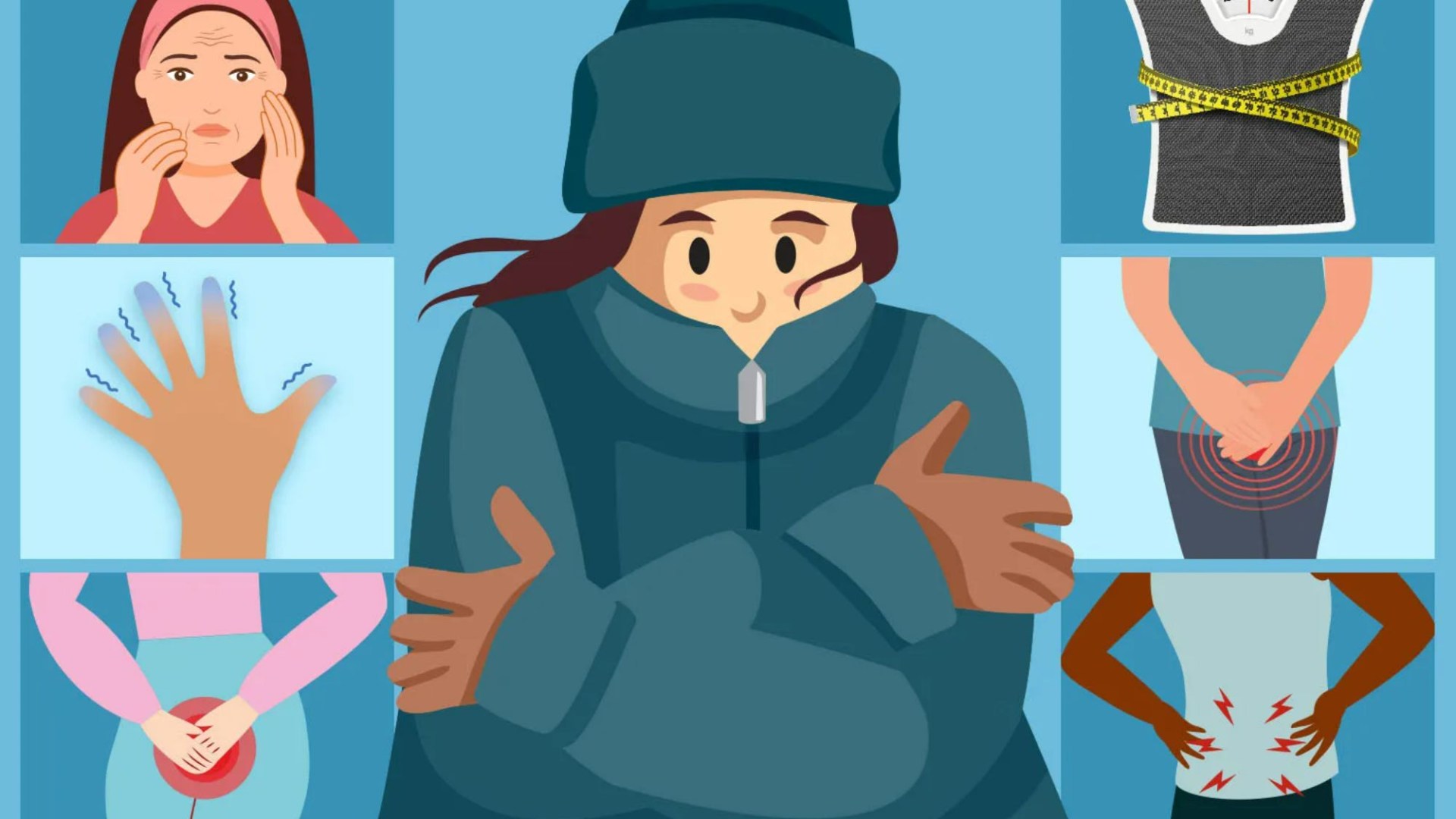
The UK is experiencing a cold snap, with bone-chilling temperatures and hazardous ice causing disruptions. As the colder weather sets in, it can have surprising effects on the body. Dr. Michael Tantillo notes that winter brings about changes such as a drop in humidity, reduced cell renewal, and exposure to dry winds, which can lead to wrinkles, blemishes, and dry skin. Additionally, cold weather can cause fingers to shrink due to constricted blood vessels.
To stay warm during the winter months, it is important to heat your home to at least 18C and ensure that bedrooms are kept warm. Grants, benefits, and advice are available to help make homes more energy-efficient and improve heating. Keeping in touch with friends, family, and neighbors and offering practical help is also important. Some cheap tricks to stay warm at home include wearing layers, heating one room, avoiding alcohol, and moving around to increase circulation.
The cold weather can inadvertently lead to weight loss as the body works harder to stay warm, boosting metabolism. However, this may not result in significant changes unless combined with increased physical activity. Men may experience “winter penis” during colder months, where blood vessels contract to redirect blood flow and maintain core body temperature, causing the penis to appear smaller temporarily. Women may experience “winter vagina,” characterized by vaginal dryness due to depleted moisture from the dry air during winter.
In colder weather, back pain may feel worsened due to changes in barometric pressure and temperatures. Cold weather can cause muscles and ligaments to tighten, leading to increased stiffness and the potential for injury. This highlights the importance of staying active and maintaining flexibility during the winter months to prevent or alleviate back pain. Overall, being aware of the effects of cold weather on the body and taking steps to stay warm and active can help mitigate any negative impacts during the winter season.